
Lieferung heute & morgen

Qualitätsgarantie

Willkommens-Angebote freischalten: KOSTENLOSE Lieferung | Bis zu 80 % RABATT | Kostenlose 30-Tage-JoyPlus-Testphase
App herunterladen
A self-tanner can temporarily give your skin a tanned appearance without the need to sunbathe. There’s a wide choice, from mousses, lotions and gels to products designed for the face. However, differences in texture, development time, colour development and ingredients can all affect how easy a product is to use day to day.
Many disappointing purchases come down to three common marketing pitfalls:
Choose a texture that suits how you plan to use the product:
Also check the stated size. A 50 ml product may be designed for the face, while 150 to 200 ml is more likely to be intended for several full-body applications.
The commonly used tanning ingredient dihydroxyacetone (DHA) reacts with components in the outer layer of the skin. This means the result doesn’t always appear straight away. Depending on the product, the stated development time may range from several hours to daily application over several days.
For an even, streak-free tan, these steps can help:
If you have sensitive skin, test the product on a small area before using it for the first time. Stop using it if irritation occurs.
The full INCI list on the product packaging is the definitive reference, as formulas may vary between batches or change over time. If you’re looking for a vegan self-tanner, check for an explicit manufacturer’s claim such as “vegan”. By contrast, “natural tanning effect” describes the desired appearance and isn’t a consistent quality standard.
If you’re considering a self-tanner with SPF, check:
A self-tanner that works without sun exposure does not automatically protect you from sunburn. Products with a stated SPF should also be used according to the manufacturer’s instructions.
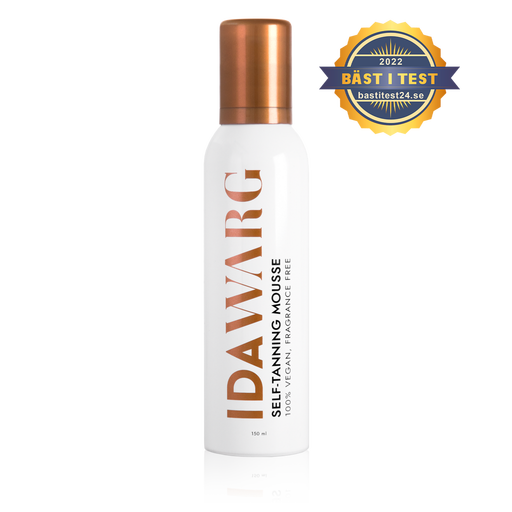
Why this product suits this profile: The mousse texture is a good fit for beginners who want to apply a lightweight formula over larger areas of the body. According to the product information, the colour develops within 3 to 8 hours.
The stated development time makes it easier to plan your application. The formula is described as fragrance-free and vegan; the packaging remains the definitive source for checking the INCI list.
Light foam texture, 150 ml size, moisturising properties according to the supplier, and a vegan formula.
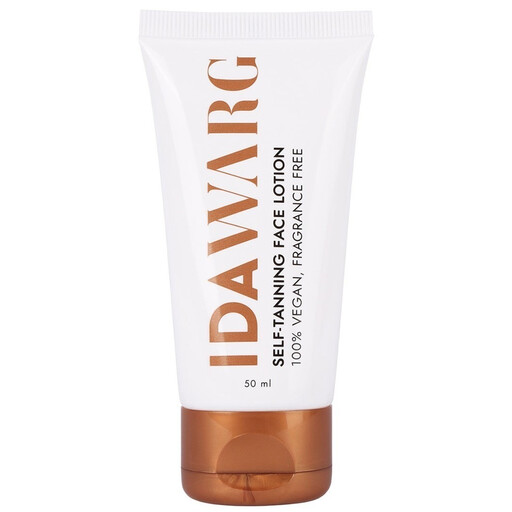
Why this product suits this profile: This lotion is designed specifically for the face and neck, and is described as fragrance-free, vegan and suitable for building up colour gradually.
The smaller size makes it easier to control how much you apply to your face. According to the product information, the formula does not contain sun protection.
Designed for the face and neck, 50 ml size, described by the supplier as fragrance-free and suitable for all skin types.
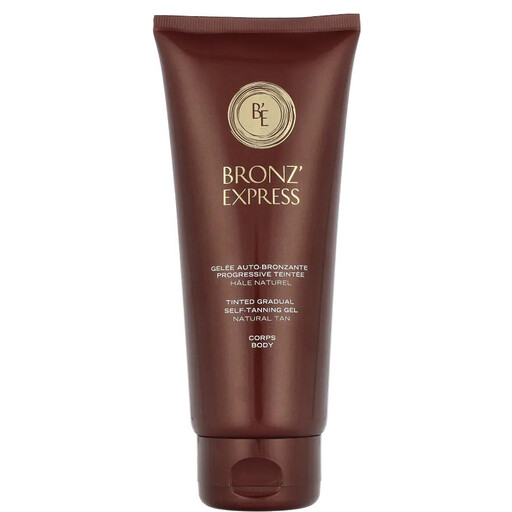
Why this product suits this profile: The gel is designed for gradual application over at least three consecutive days, making it a good option if you want to build up the colour step by step.
The caramel tint may make it easier to control where you apply the product. According to the product information, the gel does not offer sun protection.
200 ml size, gel texture, gradual application and DHA of natural origin according to the supplier.
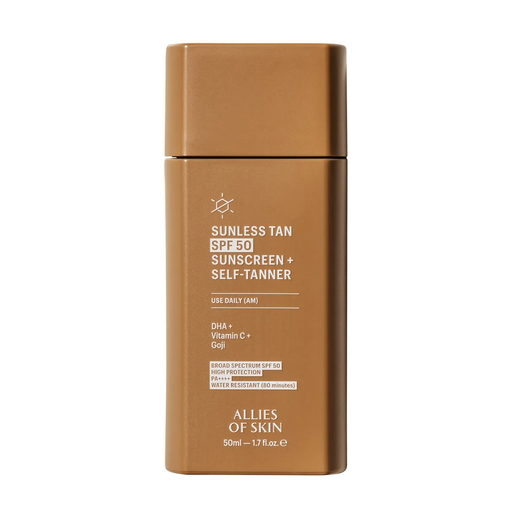
Why this product suits this profile: Designed for the face and neck, this product combines a daily self-tanning effect with SPF 50 and PA++++, according to the product information.
Its stated SPF sets it apart from self-tanners without SPF. Follow the packaging instructions for how much to apply and when to reapply.
50 ml face cream, DHA and, according to the product information, SPF 50 and PA++++.
We’ve put together a complete, regularly updated list of products that meet these strict selection criteria and fully comply with the safety regulations in force in the EU.
The visible colour from a self-tanner doesn’t last indefinitely, as the treated layer of skin is constantly renewing itself. The effect often starts to fade after a few days. Applying more regularly, but not excessively, can help maintain the colour. Before each new application, gently remove any uneven patches of leftover product where possible.
Also bear in mind:
Clean, dry skin is the best starting point. Apply a small amount of moisturiser to dry areas beforehand. Work the product in using thin layers and circular movements, using less on your hands, feet, knees and elbows. A mitt can make it easier to spread the product evenly.
It depends on the product, skin renewal, showering routine and amount applied. The colour usually fades gradually over several days. Wait until the existing colour is fairly even before applying more.
The cost per application depends on the pack size, price and amount of product you need. You’ll usually need more for your body than for your face. A 200 ml lotion may last for several applications if you use it sparingly; with mousse and gel, it depends on how much you use each time.