
Lieferung heute & morgen

Qualitätsgarantie

Willkommens-Angebote freischalten: KOSTENLOSE Lieferung | Bis zu 80 % RABATT | Kostenlose 30-Tage-JoyPlus-Testphase
App herunterladen
A self-tanner can give your skin a warmer-looking tone without the need to sunbathe. However, self-tanning lotions, facial self-tanners and products with SPF differ considerably in how you use them, the results they deliver and the protection they offer.
Many disappointing purchases come down to three common marketing traps:
If you want to apply a product to both your face and body, first check that it is specifically suitable for both areas. A self-tanning body lotion is often designed to cover larger areas, while a facial self-tanner takes smaller areas such as the hairline, brow area and neck into account.
Lotions are well suited to even application on your arms and legs. Concentrates can be measured out more precisely, but need careful handling. If you have dry skin, look for moisturising ingredients such as glycerin or nourishing oils in the INCI list. These do not replace an individual skin-compatibility test.
The commonly used self-tanning ingredient dihydroxyacetone (DHA) reacts with components in the outer layer of the skin to create a temporary colour. The intensity depends on how much product you use, your skin type, how you prepare your skin and how often you reapply.
Look out for the following details:
For a streak-free self-tan, apply a thin, even layer. Your knees, elbows, ankles and hands often absorb more colour.
A tanning oil with SPF, a tanning sun cream or a tanning cream with SPF 30 sun protection has a different purpose from a classic self-tanner. The SPF refers to the stated UV protection, not the intensity of the tan.
A product without SPF must not be used as sun protection. Even water-resistant formulas need to be reapplied according to the product instructions and the conditions, especially after swimming, drying yourself or sweating heavily. Staying in the shade, wearing protective clothing and avoiding the strongest midday sun are also important ways to protect yourself.
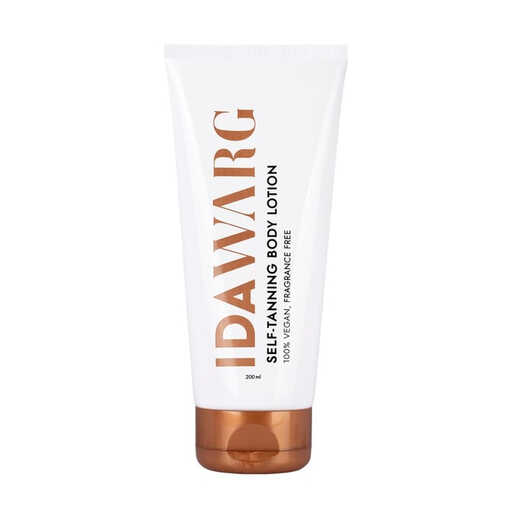
Why it suits this profile: This 200 ml lotion is designed for use over larger areas of the body and, according to the product description, gradually builds colour.
The colourless, fragrance-free formula means an instant tint doesn’t need to be a deciding factor. The colour develops over a few hours.
According to the product details, it is vegan and fragrance-free, and formulated with glycerin and saccharide isomerate. No stated UV protection.
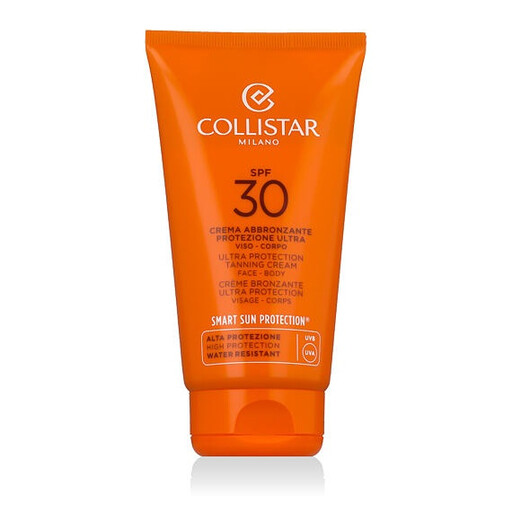
Why it suits this profile: According to the description, this product is suitable for the face and body, combining a tanning cream with a stated SPF 30.
The sun protection factor is clearly stated, making it easier to distinguish this product from self-tanners without UV protection.
SPF 30 according to the product details, a water-resistant formula, and suitable for the face and body. Reapply after swimming or drying yourself.
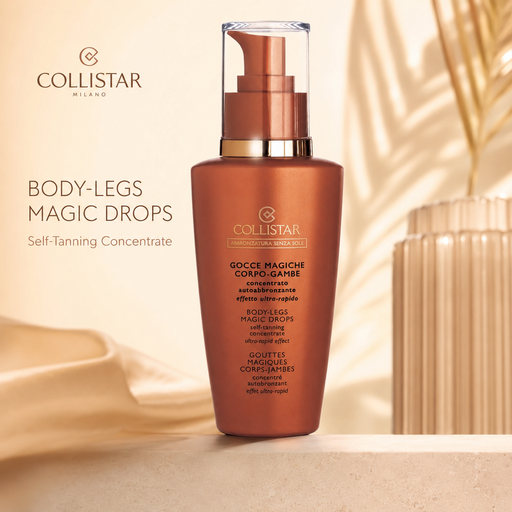
Why it suits this profile: This self-tanning concentrate is specifically designed for the body and legs and, according to the product description, develops colour quickly.
The product details clearly state that it does not have an SPF. You’ll therefore need additional sun protection when spending time outdoors.
Suitable for the body and legs, with DHA as the self-tanning ingredient. According to the product details, colour may develop in less than an hour.
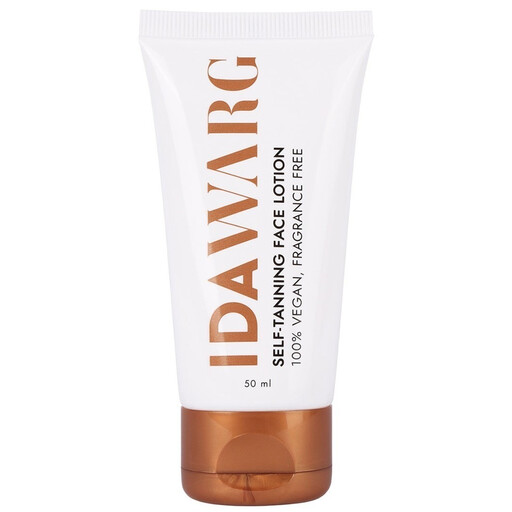
Why it suits this profile: This 50 ml lotion is designed for the face and neck, and can be applied precisely in a smaller amount.
The instructions recommend carefully blending the product into the hairline and décolletage, and carrying out a small patch test before first use.
According to the product details, it is vegan and fragrance-free, and formulated with DHA. It does not have stated sun protection.
We’ve put together a comprehensive, regularly updated list of products that meet these strict selection criteria and fully comply with the safety regulations in force in the EU.
Follow these steps for a more even result:
How long it lasts depends on skin renewal, the product formula, your washing routine and the intensity of the colour. The tan often fades gradually and can then be built up again. Don’t confuse how long the colour lasts with the shelf life of an unopened product. Check the best-before date and the PAO symbol on the packaging.
Yes, but they serve different purposes. A self-tanner gives your skin a tanned look, while sun cream with a stated SPF protects against UV rays. If your product has no SPF, use suitable sun protection as well. Follow the instructions for each product.
The key is to apply it to clean, dry skin and use a small amount on rough or curved areas. Your hands, feet, knees and elbows usually need less product. Applying it evenly, allowing enough time to dry and moisturising your skin regularly can help improve the result. If you have sensitive skin, carry out a patch test before applying it over a larger area.