
Lieferung heute & morgen

Qualitätsgarantie

Willkommens-Angebote freischalten: KOSTENLOSE Lieferung | Bis zu 80 % RABATT | Kostenlose 30-Tage-JoyPlus-Testphase
App herunterladen
With the right self-tanner, you can make an even, sunless tan part of your daily skincare routine. There’s a wide choice, from lightweight self-tanning lotion and airy self-tanning mousse to self-tanning gel, tanning cream and bronzer. But differences in texture, active ingredient concentration, tint and development time can all affect whether the result lives up to your expectations.
Many disappointing purchases aren’t down to the tanning process itself, but to unclear product claims. If you want to treat your face and body differently, check the instructions, ingredients and sun protection information carefully.
Some products contain colour pigments or caramel. These tint the skin straight away and make it easier to see where you’ve applied the product. However, some of this visible colour may wash off in the shower. A longer-lasting tan is usually created by dihydroxyacetone, or DHA, which reacts with components in the outer layer of the skin.
Check whether a product promises an instant colour effect, gradual development or both. A bronzer is better suited to an immediately visible make-up effect, while a self-tanner can continue to develop over several hours.
Claims such as “natural-looking tan” or “plant-based ingredients” don’t, on their own, tell you much about how gentle a product is on your skin. Formulas containing DHA may also include fragrances and allergens that must be listed on the label. If you have sensitive skin, check the full INCI list on the packaging and carry out a patch test before first use.
If redness, a burning sensation or a rash develops, wash the product off and stop using it. Avoid the eyes, lips, mucous membranes, and any irritated or broken skin.
A self-tanner is no substitute for sun cream. Products with a visible tint or moisturising ingredients don’t automatically protect you from UV rays. Only a specific sun protection factor indicates that a product also offers sun protection. Always follow the instructions and labelling on the packaging.
Also check whether the product is specifically intended for the face, the body or both. Facial skin may react differently to fragrance or alcohol than the skin on your arms and legs.
Depending on the product, development can take several hours. For example, COCOSOLIS Solis Self-Tanning Foam #Medium has a stated development time of eight hours. Ida Warg Self-Tanning Face Lotion states that the colour develops within four to eight hours. These details can help you plan, but they don’t replace the instructions on the product packaging.
For a more controlled result, start with a thin layer if you have fair skin. Applying a second layer the following day can gradually increase the intensity, provided the product instructions allow this.
For a tan that’s as streak-free as possible:
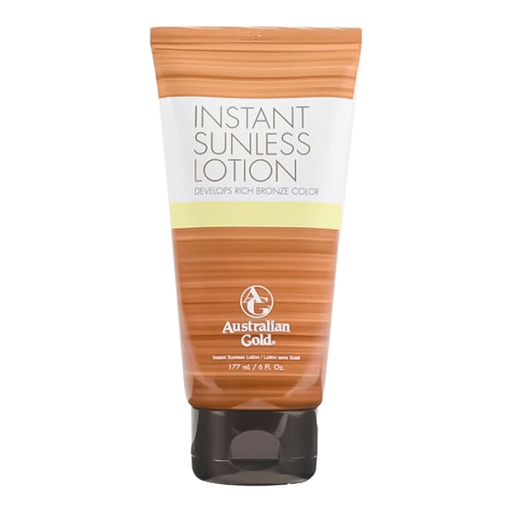
Why this product suits this profile: This lotion comes in a 177 ml size and gives an instant visible tint, so beginners can check how evenly they’ve applied it straight away.
The light tint makes it easier to spot any missed areas. The product information clearly states that it does not contain sun protection.
Lotion texture, 177 ml size and an instantly visible colour effect; designed for use on the body.
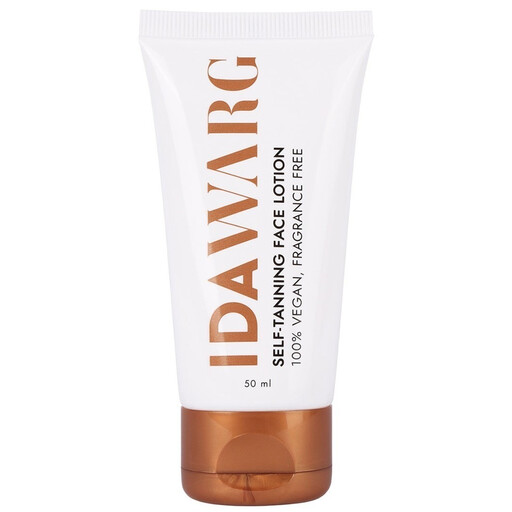
Why this product suits this profile: According to the product information, this facial lotion is fragrance-free, vegan and designed for the face and neck.
Its clear focus on the face reduces the risk of using a body product that may be difficult to apply in the right amount. A patch test is specifically recommended.
A 50 ml facial product, a fragrance-free formula according to the supplier, and gradual colour development within four to eight hours.
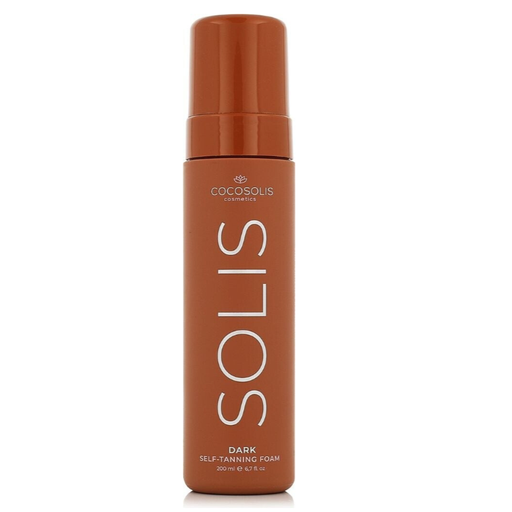
Why this product suits this profile: According to the product description, this self-tanning mousse is designed for the body, all skin types and regular use.
The instructions set out specific steps, including using a mitt, washing your hands thoroughly and avoiding water for six to eight hours. This makes the development time clear.
A 200 ml foam formula, described by the supplier as vegan and cruelty-free; reapplication after 24 hours is recommended for a deeper tint.
We’ve put together a complete, regularly updated list of products that meet these strict selection criteria and fully comply with the safety regulations in force in the EU.
How long the colour lasts depends on skin renewal, your shower routine, skincare and the product itself. The tint often fades gradually over a few days. Gentle exfoliation can help it fade evenly. For the exact period after opening, check the best-before date or PAO symbol on the packaging.
Only if the manufacturer lists both areas of application. Apply a self-tanner for the face sparingly and evenly, avoiding the hairline and eye area. Body products may have a different texture or intensity. Using separate products makes it easier to adjust the amount and shade to suit each area.
The key steps are to start with clean, dry skin, use a small amount of product and blend carefully. DHA is often absorbed more strongly by particularly dry areas. So use less product on your hands, feet, knees and elbows. During development, avoid exposing your skin to water, tight clothing or heavy sweating.