
Lieferung heute & morgen

Qualitätsgarantie

Willkommens-Angebote freischalten: KOSTENLOSE Lieferung | Bis zu 80 % RABATT | Kostenlose 30-Tage-JoyPlus-Testphase
App herunterladen
A self-tanner can give your face and body a bronzed complexion whatever the season. However, self-tanning mousse, drops, lotions and mists differ considerably in terms of dosage, development time and application. If you choose based solely on the colour name or marketing claims, you risk uneven patches, an unsuitable shade or unnecessary skin irritation.
1. Mistaking the instant colour for the final result
Some products contain a cosmetic guide colour. This makes application easier, but it is not always the final tan. The shade may continue to develop over several hours due to DHA. A dark instant effect does not necessarily mean that the final result will be equally intense.
2. “Extra Dark” is not a standardised measurement
Descriptions such as Medium, Dark or Extra Dark vary between brands. They do not replace specific information about development time, recommended amount or the possibility of building the colour gradually. For a natural-looking complexion, a product with adjustable dosage is often easier to control than a very intense one-off application.
3. Confusing self-tanner with sun protection
DHA colours the outermost layer of the skin but does not provide reliable protection from UV radiation. Even a visibly tanned complexion does not automatically protect you from sunburn. When exposed to daylight, you also need to use a suitable sun protection product. Products with SPF must be assessed separately according to their stated sun protection factor.
For larger areas of the body, body self-tanners in lotion, mousse or foam form are practical. Lotion can usually be built up gradually and is suitable for dry skin or regular use. A self-tanning mousse or self-tanning foam is easy to spread with a mitt and dries more quickly depending on the formula.
For the face, specially designated facial self-tanners, self-tanning drops or a self-tanning serum are suitable. Drops are generally mixed with a day or night moisturiser. This makes it easier to adjust the intensity. A self-tanning mist may be suitable for the face and body, but it requires an even spraying distance and careful drying.
Pay attention to the specific dosage recommendation. For example, a few drops may be intended for a light effect, while a larger number creates a more intense tint. This makes it easier to achieve a gradual tan, but it does not remove the need to distribute the product evenly.
Depending on the product, development time can range from less than an hour to several hours. During this phase, avoid water, heavy sweating and tight, light-coloured clothing. Your skin tone may continue to change even after the first rinse.
Dry areas on the knees, elbows, ankles and hands often absorb self-tanner more intensely. Gentle preparation and light moisturising on rough areas can reduce visible differences. Application should be postponed immediately after shaving, exfoliating or on irritated skin.
In the ingredients list, Dihydroxyacetone (DHA) is usually the key self-tanning ingredient. Erythrulose is also used in some formulations. Fragrances, alcohol and certain plant and nut oils may be important selection criteria for people with sensitive skin. “Vegan” describes the origin of the formula’s ingredients, but it is not a guarantee of individual skin compatibility. Before using the product fully for the first time, a patch test on a small area of skin is recommended. If redness, burning or itching persists, stop using the product.
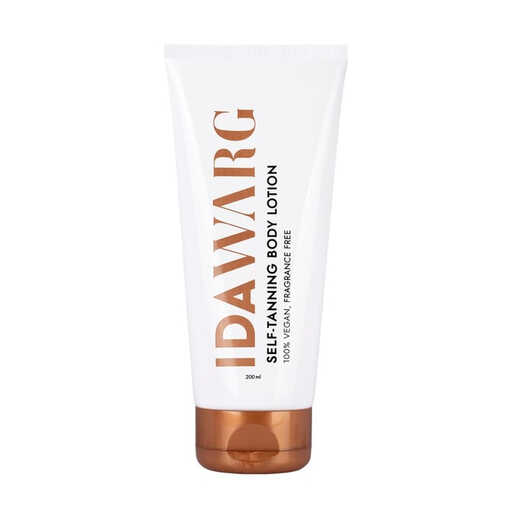
Why this product suits this profile: This lotion is intended for the body and, according to the product information, can be reapplied until the desired intensity is reached. This is helpful for anyone who prefers to start gradually.
Gradual application reduces reliance on inconsistent colour names such as Dark or Medium. The lotion is also fragrance-free and colourless.
Body lotion, fragrance-free formula and 100% vegan according to the supplier.
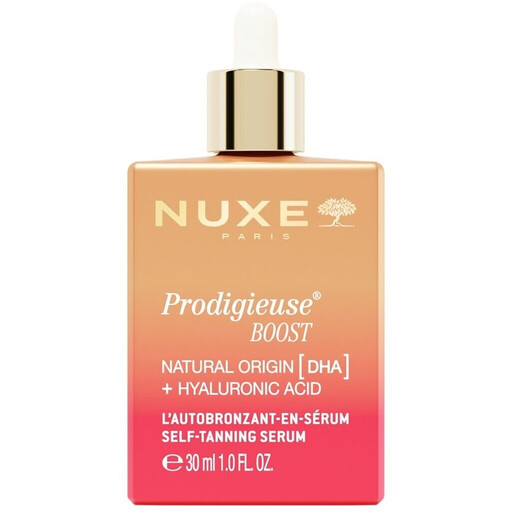
Why this product suits this profile: According to the product description, this facial serum combines adjustable application with hyaluronic acid, glycerine and DHA of natural origin.
The recommended number of drops is adjusted according to the desired intensity. This means the colour description does not become the only selection criterion.
Designed for the face and neck, it can be used alone or with face cream; according to the supplier, it contains 97% ingredients of natural origin.
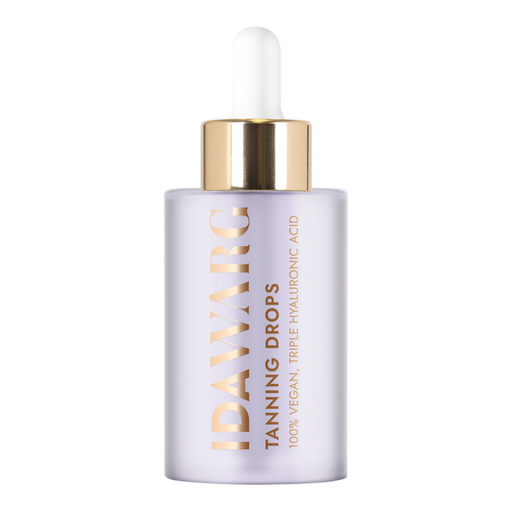
Why this product suits this profile: These drops are intended for the face and are mixed with a moisturiser. According to the instructions, the intensity can be adjusted by changing the number of drops.
The instruction not to apply the drops undiluted reduces the risk of an overly concentrated application. According to the product information, the formula is fragrance-free.
Dosage of 1 to 6 drops according to the description; 100% vegan and cruelty-free formula according to the supplier.
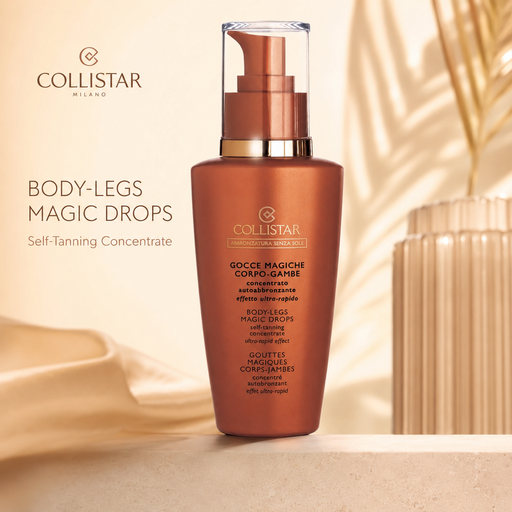
Why this product suits this profile: This concentrate is intended for the legs and body. According to the official product description, the colour is designed to develop in less than an hour.
Its clear designation for the body and legs prevents a facial product from being used on large areas. A smaller amount is recommended on rough areas.
125-ml format for the body and legs, lightweight texture and a development time of less than an hour stated by the supplier.
We have put together a complete, regularly updated list of products that fully meet these strict selection criteria and the safety regulations applicable in the EU.
Always check the current INCI list and warnings on the packaging. Ingredients, shelf life and batch details may vary depending on the product or batch.
How long it lasts on the skin depends on the product, skincare routine, showering, friction and natural skin shedding. The colour often fades over several days. Regular moisturising and another thin application can help maintain the shade. Vigorous rubbing or harsh exfoliation can remove the tan more quickly.
Only if the manufacturer explicitly states that it is suitable for both areas. Facial products are often formulated more lightly and are used in smaller amounts. For a natural-looking transition, blend carefully around the ears, jawline and neck. A body self-tanner is not automatically suitable for facial skin.
No. A self-tanner without a stated sun protection factor is not a substitute for sun cream. Even with tanned skin, you should use a suitable sun protection product when exposed to UV rays and follow the relevant application instructions.