
Lieferung heute & morgen

Qualitätsgarantie

Willkommens-Angebote freischalten: KOSTENLOSE Lieferung | Bis zu 80 % RABATT | Kostenlose 30-Tage-JoyPlus-Testphase
App herunterladen
A self-tanner can give your skin a warmer-looking tone without the need to sunbathe. However, self-tanning mousse, self-tanning lotion, facial self-tanner and tanning oil differ considerably in how you use them, the depth of colour they provide and the sun protection they offer. If you focus only on claims such as “instant tan” or “natural-looking complexion”, you could easily end up with a product that doesn’t suit your skin type or daily routine.
A classic self-tanner containing DHA gives the top layer of skin a temporary tint, but does not normally protect against UVA or UVB rays. Tanning oil with SPF is no substitute for a sensible sun-care routine either. Products such as Australian Gold Rapid Tanning Intensifier Lotion 15 ml make it clear that they do not contain sun protection.
It’s important to know the difference:
A product labelled “Dark” or with a high colour intensity may be much more noticeable on fair skin. Gradual formulas or a medium shade are often easier for beginners to control. If you choose a deeper colour, test it on a small area of skin first.
Dry areas on your knees, elbows, ankles and hands often absorb more self-tanner. This can lead to patchy or streaky results. An even, streak-free tan depends not only on the product, but also on how you prepare your skin and apply it.
Larger formats, such as self-tanning mousse or lotion, are ideal for the body. Mousse is usually easy to spread with a tanning mitt and, depending on the formula, dries relatively quickly. Lotion can also be a good choice for dry areas of skin.
A facial self-tanner should be specifically intended for the face and neck. Facial products are often available in smaller sizes and can be applied gradually. Some Cocosolis mousse formulas, for example, are suitable for both face and body; always check the information on the individual product packaging.
DHA, or dihydroxyacetone, is a common tanning ingredient. The colour doesn’t always develop straight away and can take several hours, depending on the product. Bear timings such as “4 to 8 hours” or “8-hour development time” in mind when planning your day.
A tinted self-tanner can help you see where you’ve applied it. However, the temporary colour may not match the final result exactly. If you want to control the intensity, apply a thin layer first and wait for the stated development time.
It’s worth checking the full INCI list before you buy. Glycerin, aloe vera juice and nourishing oils may be included in moisturising formulas. Fragrance ingredients such as Limonene, Linalool or Citral may be relevant if you have sensitive skin. A small patch test is a good idea, particularly if you’re trying a new product or have known sensitivities.
If you’re looking for a fragrance-free formula, Ida Warg Self-Tanning Face Lotion may be a suitable option for the face. As always, check the current ingredients list on the packaging, as formulas can change.
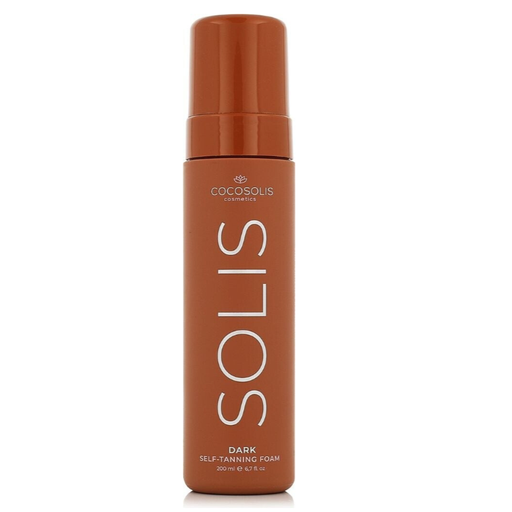
Why it suits this profile: This 200 ml mousse is designed for the body and can be applied with a mitt or clean hands. The Dark shade is for anyone who prefers a deeper tan.
The instructions cover skin preparation, even application and thorough hand washing, helping to reduce the risk of stained palms.
Foam texture, 200 ml size, and vegan and cruelty-free product claims.
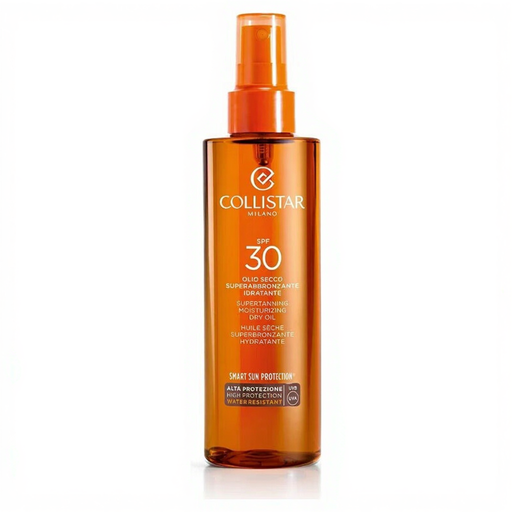
Why it suits this profile: This dry oil is designed for the face and body, combining nourishing oils with SPF30. It’s for shoppers looking for a suntan oil with SPF and a lightweight oil texture.
The clearly stated SPF30 helps distinguish it from tanning oil with no UV protection. Reapply after swimming, sweating and drying yourself.
200 ml size, SPF30 and a water-resistant product claim, according to the description.
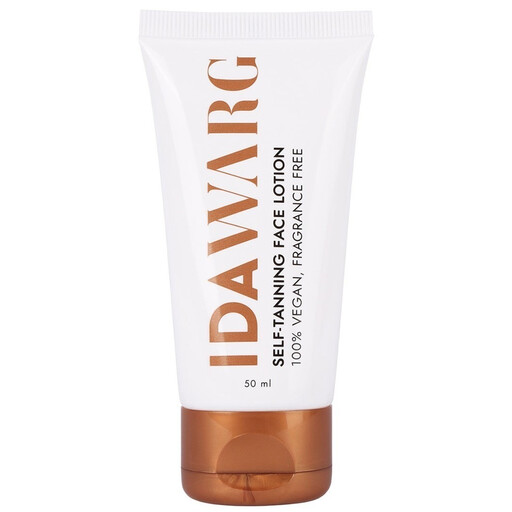
Why it suits this profile: This 50 ml lotion is designed for the face and neck, and the product information says it builds colour gradually. It’s listed as fragrance-free, making it suitable for targeted use on the face.
The smaller pack and gradual colour build-up make it easier to control the result, so you don’t have to choose an intense shade straight away.
Designed for the face, listed as fragrance-free and available in a 50 ml size.
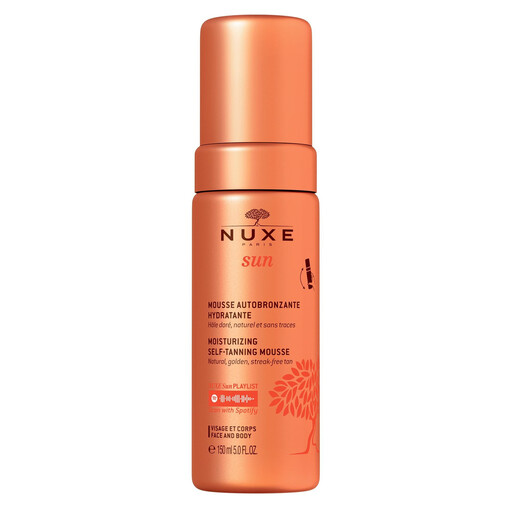
Why it suits this profile: This lightweight mousse is designed to build colour gradually without direct sun exposure, and is listed as suitable for all skin types.
The gradual approach means you’re less likely to need a very deep shade for your first application.
150 ml size, lightweight mousse texture and DHA, according to the product description.
We’ve put together a complete, regularly updated list of products that meet these strict selection criteria and fully comply with the safety regulations in force in the EU.
The colour often lasts for several days, gradually fading as your skin naturally renews itself and through showering and friction. How long it lasts depends on the product, the amount applied, your skincare routine and your washing habits. Wait until the colour has faded fairly evenly before applying it again.
Even preparation, thin layers and thorough blending are key. Use less product on particularly dry areas. A tanning mitt can make it easier to spread mousse evenly. You’ll usually need less product on your face, hands and feet than on larger areas of your body.
Self-tanner typically develops over several hours and can remain visible for a few days. Bronzer colours the skin as soon as you apply it and usually comes off when you cleanse. Neither product replaces sun protection.