
Lieferung heute & morgen

Qualitätsgarantie

Willkommens-Angebote freischalten: KOSTENLOSE Lieferung | Bis zu 80 % RABATT | Kostenlose 30-Tage-JoyPlus-Testphase
App herunterladen
A semi-dry white wine, 6 x 0,75 l is a practical choice for many households. Six bottles give you 4.5 litres in total for dinners, visitors or celebrations. White wine multipacks can also vary considerably in grape variety, residual sugar, alcohol content and origin.
Our guide can help you avoid common buying mistakes and find a wine set to suit your taste and how you plan to use it.
The term semi-dry does not simply mean that a wine tastes sweet. It refers to a specific residual sugar range, which is also influenced by acidity. A semi-dry Riesling can therefore taste fresher and more acidic than an aromatic Moscato with considerably more residual sweetness.
If you’re looking for a pronounced sweetness, check for terms such as “sweet” or specific residual sugar information. For a balanced accompaniment to salads, fish or poultry, semi-dry white wine is often a good choice.
Six bottles of 0,75 litres each make 4.5 litres. That’s handy for a celebration, but may be too much for a small household if you only drink wine occasionally. Before buying, consider whether a six-bottle set of one wine or a mixed white wine selection would suit you better.
Names such as Chardonnay, Riesling, Pinot Blanc and Silvaner give you an idea of a wine’s style, but they don’t replace checking the product details. In particular, look for:
Not every wine described as fruity is necessarily semi-dry. It’s best to consider the product description and label together.
When comparing dry and semi-dry white wine, residual sugar is a key factor. Less residual sugar doesn’t automatically mean a wine will taste more pleasant: higher acidity can make a wine seem drier, while fruity aromas can make its sweetness more pronounced.
Wines with a clear description of their taste are easier to assess for everyday use. For example, Jechtinger Müller-Thurgau Kabinett lists 17.9 g/l residual sugar and 5.2 g/l acidity. Dr. Hinkel Bacchus is listed with 15.0 g/l residual sugar and 4.8 g/l acidity. These figures make for a more objective comparison than general marketing claims.
A screw cap makes a bottle easy to open and reseal. After opening, reseal the bottle and store it in the fridge. Depending on the product information, it should be drunk within a few days. Unopened bottles should be kept in a cool, dry place away from light.
If you’re looking for organic vegan white wine, check that the product is clearly labelled as such. Vegetarian suitability doesn’t automatically mean a wine is vegan. Sulfites should also be taken into account as an allergen.
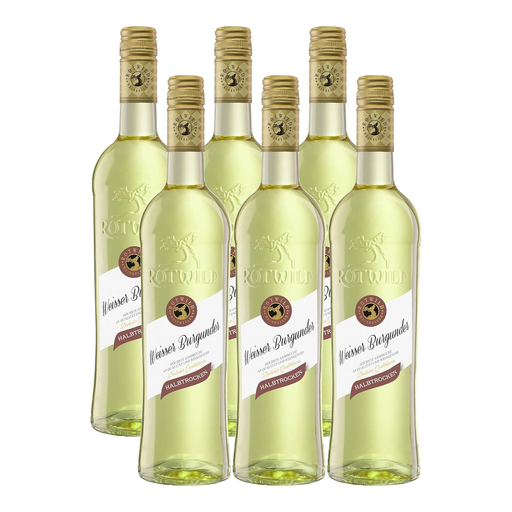
Why it suits this profile: The six-bottle pack gives you a set quantity for everyday drinking and get-togethers. Pinot Blanc is described as fresh and versatile.
The product details specify 6 x 0,75 litres, 11,5 % vol. and a screw cap. That means you can check the quantity, alcohol content and ease of use before buying.
German origin, 4,5 litres in total and a versatile pairing for salads, poultry and seafood.
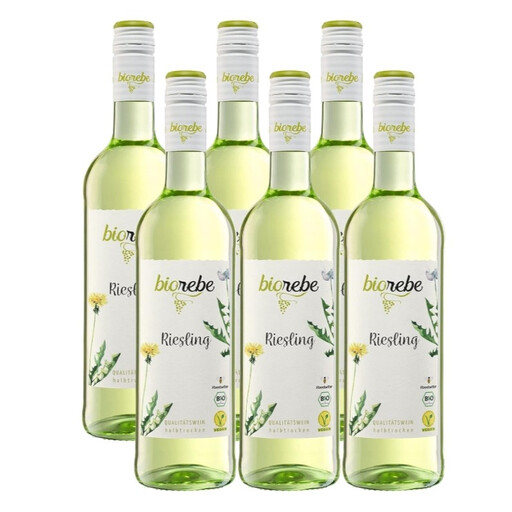
Why it suits this profile: The product details combine organic credentials, vegan suitability and a Riesling style. This set is a good choice if you look for additional product certifications.
Organic and vegan are listed as specific product attributes, rather than being hinted at through vague sustainability claims.
Riesling, 11,5 % vol., 6 x 0,75 litres, with information on storage and resealing after opening.
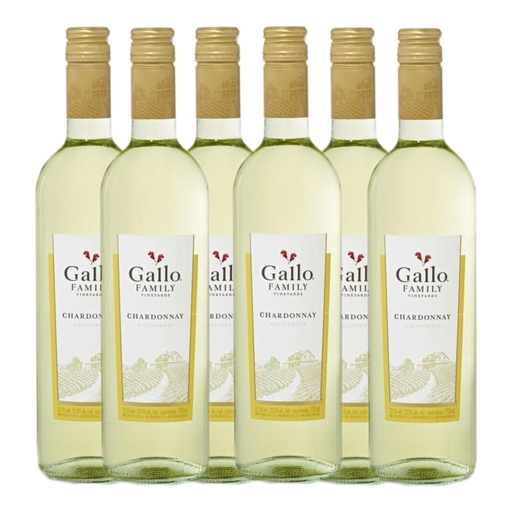
Why it suits this profile: This Chardonnay set is for households that want several bottles for guests, meals or regular drinking.
The details list Chardonnay, a semi-dry style, Californian origin, 6 x 0,75 litres and 12,5–13 % vol. This makes it easier to choose a wine to suit the occasion.
Tasting notes of apple, lime, melon and vanilla, plus a recommended serving temperature of 10 °C.
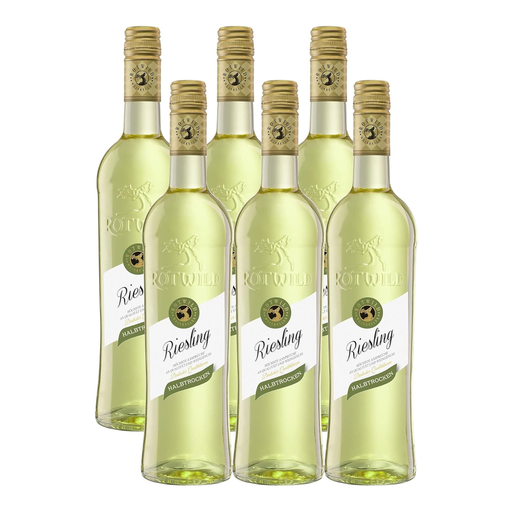
Why it suits this profile: The combination of Riesling, a semi-dry style and six bottles works well with light meals and relaxed get-togethers at home.
The grape variety, style, alcohol content of 11 % vol. and recommended serving temperature of 10–12 °C are all listed.
6 bottles with 4,5 litres in total, German origin and a screw cap.
We’ve put together a complete, regularly updated list of products that meet these strict selection criteria and fully comply with the safety regulations in force in the EU.
It depends on the grape variety, closure and storage. As a practical guide, product details for opened wines often recommend drinking them within around two to five days. Reseal the bottle straight away and keep it somewhere cool. Always follow the information provided for the individual product.
Many semi-dry white wines are served at around 10 to 12 °C. According to the product information, sweeter Moscato wines can be served at 12 to 14 °C. If a wine is too cold, its aromas may be less noticeable.
Check the alcohol content, number of bottles, total volume, residual sugar, allergens, origin and age restriction. In Germany, alcoholic drinks may only be sold to adults. It’s also worth comparing prices per bottle or per litre, so you can compare a six-bottle pack transparently with individual offers.