
Lieferung heute & morgen

Qualitätsgarantie

Willkommens-Angebote freischalten: KOSTENLOSE Lieferung | Bis zu 80 % RABATT | Kostenlose 30-Tage-JoyPlus-Testphase
App herunterladen
A semi-dry white wine 6 x 0,75 l is a good choice for households that regularly serve wine, entertain guests or need several bottles for celebrations and sociable evenings. A larger pack is practical, but it can also lead to the wrong purchase: not every bottle described as fruity will suit your taste, and terms such as “off-dry”, “fruity” or “modern” are no substitute for specific product details.
This guide explains what to look for when choosing white wine in a 6-pack. We focus on grape variety, origin, sweetness, alcohol content, closure and features such as organic or vegan suitability.
Aromas of apple, peach, lime or passion fruit describe the wine’s scent and flavour. They don’t necessarily tell you how sweet it will taste. Residual sugar and acidity are the main factors to consider.
A semi-dry Riesling can taste fresh and zesty despite noticeable fruity notes. A wine with a similar residual sugar level may taste softer if it has lower acidity. So, where the information is available, check both figures rather than relying on the marketing description alone.
Six bottles of 0,75 l each contain 4,5 l of wine in total. That’s 36 glasses if you pour 125 ml per glass. This could be a useful quantity for regular evenings or a celebration. If you only drink wine occasionally, consider how you’ll store it, how quickly you’ll drink it and whether you can share it.
A German white wine from the Palatinate, Rheinhessen or Baden can differ considerably in style and grape variety from a wine from Italy or Spain. There are also differences in alcohol content, acidity, winemaking and sweetness within the same grape variety. A screw cap isn’t a mark of quality; it’s simply a practical closure that’s easy to open and reseal.
The grape variety can give you a helpful starting point:
“Halbtrocken” (“semi-dry”) is a legally defined sweetness classification. The wine’s overall impression also depends on its acidity, alcohol content and serving temperature.
Depending on the wine, the products in this selection contain around 9,5 to 12 % Vol. Alcohol content affects the wine’s body and how it tastes, but it isn’t an indicator of quality on its own. White wine is usually served chilled. For several of these products, a serving temperature of around 10 to 12 °C is recommended.
Store unopened bottles in a cool, dry place away from direct sunlight. Once opened, reseal the wine and, depending on the product, drink it within a few days. Always follow the specific advice on the label.
If you’re looking for an organic vegan white wine, check that it’s explicitly labelled as such. “Vegetarian” and “vegan” don’t automatically mean the same thing. According to the product information, Biorebe Silvaner is organic and vegan; Biorebe Riesling is also listed as suitable for vegans and organic.
Wine is also commonly labelled “Contains sulphites”. Sulphur dioxide and sulphites can trigger allergic reactions in people who are sensitive to them. Check the ingredients and allergen information before buying and drinking.
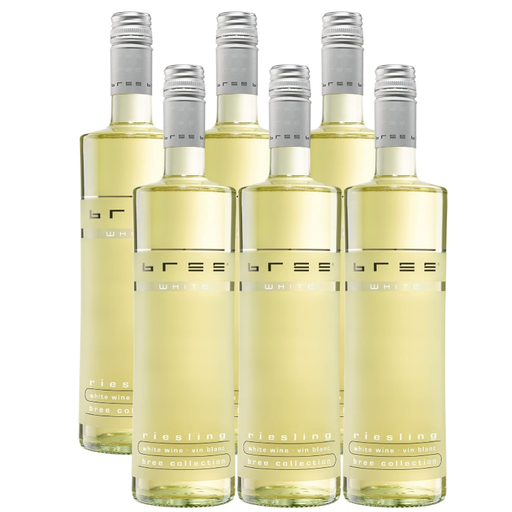
Why this product suits this profile: This German Riesling from the Palatinate is described as semi-dry and is an easy-drinking option with light meals, salads or fish.
The product details specify the grape variety, origin, alcohol content of 9,5 % Vol. and total volume of 4,5 l. This makes it easier to assess the pack than relying on the description “fruity” alone.
Six 0,75-litre bottles, German origin from the Palatinate, and listed as suitable for vegetarians and vegans.
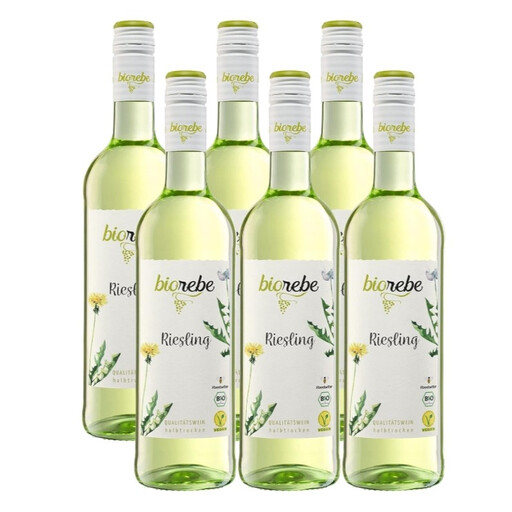
Why this product suits this profile: The product information is aimed at buyers looking for a semi-dry Riesling from Germany that meets organic and vegan criteria.
Its organic and vegan suitability is stated explicitly. The ingredients, alcohol content of 11,5 % Vol. and sulphite warning are also provided.
6 x 0,75 l, German origin, and clearly stated vegan and organic credentials.
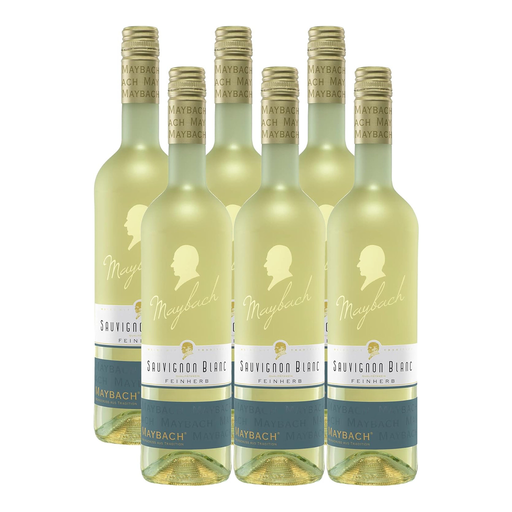
Why this product suits this profile: This semi-dry Sauvignon Blanc from Rheinhessen is a good choice if you’re looking for an aromatic, fruit-forward wine to serve with starters, poultry or creamy sauces.
You can assess this wine using specific details: German origin, 12 % Vol., 6 x 750 ml and a screw cap.
An aromatic grape variety, a resealable closure, and clear details on volume, origin and alcohol content.
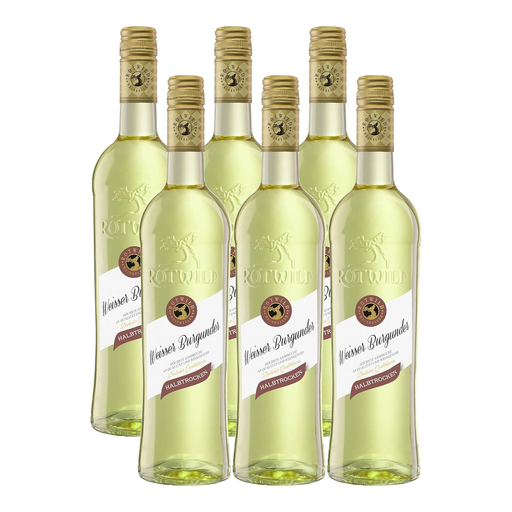
Why this product suits this profile: This Pinot Blanc is designed to pair with light dishes such as salads, poultry and seafood. The multipack also makes it a practical choice for regular occasions.
The product page lists the total volume, grape variety, origin, 11,5 % Vol. and screw cap. This means you can check the key details before buying.
6 x 0,75 l, German origin and easy handling thanks to the screw cap.
We’ve put together a complete, regularly updated list of products that meet these strict selection criteria and the safety regulations in force across the EU.
Six bottles contain 4,5 l in total. At 125 ml per glass, that works out at 36 glasses. The actual number depends on how much you pour.
It depends on the wine, closure and storage conditions. As a practical guide, reseal an opened bottle, store it somewhere cool and drink it within a few days. Always follow the advice from the producer.
Yes. Depending on the grape variety, these wines can pair with fish, salads, poultry, light vegetable dishes, mild cheese and certain Asian dishes. Riesling often has more acidity, while Chardonnay or Pinot Blanc may taste softer, depending on the product.