
Lieferung heute & morgen

Qualitätsgarantie

Willkommens-Angebote freischalten: KOSTENLOSE Lieferung | Bis zu 80 % RABATT | Kostenlose 30-Tage-JoyPlus-Testphase
App herunterladen
Choosing the right wipes for a baby's sensitive skin can be a challenge for parents. The market is saturated with products, all promising gentleness and safety. However, not all of them live up to their claims. Certain marketing terms can be misleading and result in a poor purchasing decision. This guide will help you identify the essential features and find products that truly meet your baby's needs.
Some common pitfalls to watch for include:
biodegradable wipes are made from plant-based materials like cellulose.To make an informed decision, you should focus on objective and verifiable criteria rather than marketing promises.
A baby's skin barrier is not yet fully developed, making it particularly sensitive to external factors. Skin-friendly wipes are distinguished by a minimalist and transparent ingredient list.
99% water wipes are often a good starting point.wipes without perfume and alcohol. Alcohol (e.g., Ethanol, Alcohol denat.) can dry out the skin, while fragrances (Parfum) are among the most common triggers for contact allergies. Many parents also avoid certain preservatives like Phenoxyethanol.The wipe material affects both how it feels on the skin and its environmental impact.
Biodegradable wipes made from 100% plant-based fibres (e.g., cellulose, viscose) are an eco-conscious choice. Unlike wipes containing polyester (plastic), they decompose naturally.The functionality of the packaging and the cost per wipe are practical considerations for daily use.
bulk pack of wipes typically lowers the price per wipe significantly and also reduces packaging waste. This is a sensible option, especially for families with high usage.Based on these objective criteria, we have curated a selection of products suitable for various requirements and profiles.

Why This Fits Their Persona: Ideal for parents who prioritise sustainability without compromising on skin compatibility. The wipes are known for their thick, tear-resistant texture and high moisture content.
This product avoids the "hidden plastics" trap, as it is made from 100% biodegradable, plastic-free plant fibres according to the manufacturer.
OEKO-TEX certified (No. 25.HUS.21538 Hohenstein) for being free of harmful substances. The formula is based on 99% purified water and is fragrance-free.
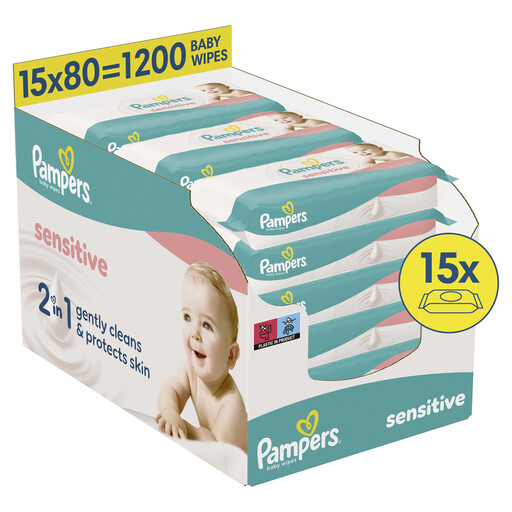
Why This Fits Their Persona: Designed for the most delicate skin, especially for `newborn baby wipes`. The focus is on maintaining the skin's natural pH balance.
This product counters the vague "gentleness" claims with a specific function: its special formula helps restore the skin's natural pH balance and protect it from redness, according to the manufacturer.
Contains 0% alcohol and perfume. The formula is dermatologically tested and endorsed by dermatologists from the Skin Health Alliance.
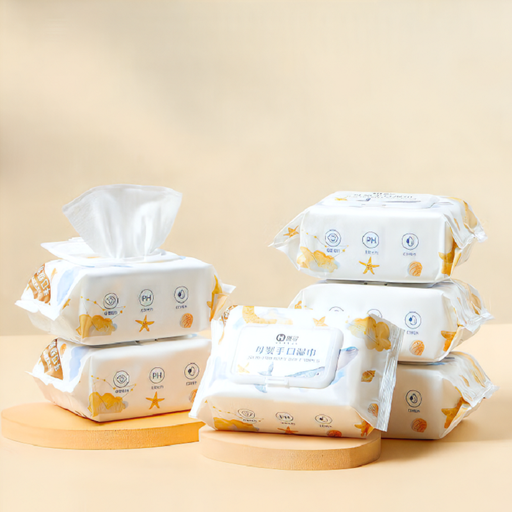
Why This Fits Their Persona: An economical solution for families with high usage who need a large supply of reliable, straightforward wipes. This `bulk pack of wipes` offers excellent value for money.
This product addresses the "1%" trap with a highly simplified formula. It relies on EDI purified water and is free from parabens, alcohol, and artificial fragrances, ensuring transparency.
Excellent price-per-wipe ratio thanks to the bulk pack of 800 wipes. The formula is hypoallergenic and dermatologically tested.
We've compiled a complete, up-to-date list of products that fully meet these strict selection criteria and UK safety regulations.
Proper storage is crucial to maintain the moisture and hygiene of the wipes. Store the packs in a cool, dry place, avoiding direct sunlight or proximity to heaters. The most important factor is the seal: ensure the pack is closed tightly after each use. Packs with a hard plastic lid are often more reliable than those with a simple adhesive strip.
Yes, as long as they are correctly labelled. Biodegradable wipes made from 100% plant-based fibres (e.g., cellulose) decompose under the right conditions, reducing plastic waste. Conventional wipes often contain polyester, a type of plastic that can remain in the environment for hundreds of years. Important: Even biodegradable wipes should not be flushed down the toilet, as they can clog sewage systems. They belong in the general waste bin.
Yes, most newborn baby wipes labelled as "sensitive" and free from alcohol and perfume are also suitable for gently cleaning the face and hands. Their minimalist formula is designed not to irritate delicate skin anywhere on the body. However, avoid direct contact with the eyes. For stubborn messes after meals, a washcloth with plain water can sometimes be the better alternative.