
Lieferung heute & morgen

Qualitätsgarantie

Willkommens-Angebote freischalten: KOSTENLOSE Lieferung | Bis zu 80 % RABATT | Kostenlose 30-Tage-JoyPlus-Testphase
App herunterladen
Sensitive skin, prone to tightness, redness, or dryness, places special demands on your daily care routine. However, the search for a suitable face cream can quickly become complicated, as the market is filled with products making a wide variety of claims. To avoid poor purchases, it's helpful to know the most common pitfalls and understand which objective criteria truly matter.
A common misconception is that "natural" ingredients are inherently better for sensitive skin. Many plant extracts and essential oils have a high potential for irritation. Likewise, overloaded formulas with a long list of active ingredients can overwhelm the skin barrier rather than support it. The term "hypoallergenic" is also not legally protected and offers no guarantee of compatibility. A focused look at the ingredient list is therefore essential.
Instead of being guided by marketing messages, you should base your decision on verifiable product features. For effective and soothing skincare, three factors are particularly crucial.
An intact skin barrier protects against moisture loss and the penetration of irritants. In sensitive skin, this barrier is often weakened. A good cream for strengthening the skin barrier should therefore contain ingredients that support this natural protective function. Look for formulations with:
Dryness is a core problem for sensitive skin. An effective moisturizer for dry skin ideally combines different types of hydrating ingredients. These include humectants like hyaluronic acid and glycerin, which bind water in the skin, as well as occlusive or emollient components like shea butter or certain oils that reduce moisture loss at the surface. A cream for very dry skin on the face should have a richer texture without leaving a heavy film.
For sensitive skin, less is often more. A short and understandable ingredient list is usually a good sign. It is especially important to avoid known irritants.
Based on the criteria mentioned, we have identified several products suitable for various profiles.
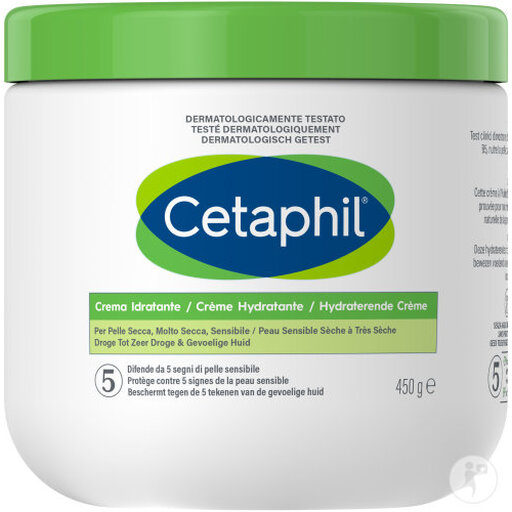
Why it's a match: This cream is a straightforward and reliable choice for daily basic care. The large packaging offers excellent value for money for users seeking solid hydration without unnecessary frills.
The formula is fragrance-free, non-comedogenic, and focuses on proven ingredients like glycerin, niacinamide, and panthenol, rather than an overloaded list of potential irritants.
According to the manufacturer, it provides 48-hour hydration and is suitable for use on both face and body, making it highly versatile.
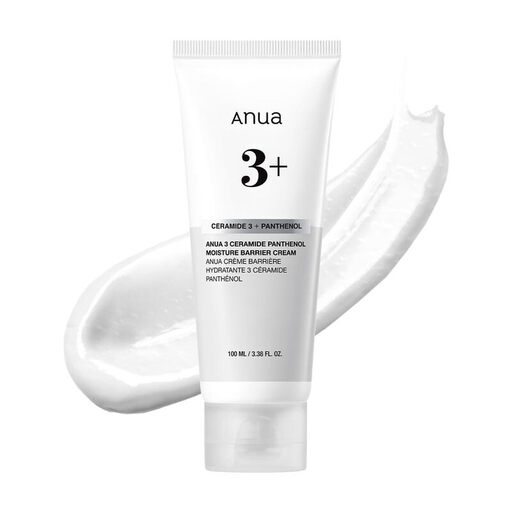
Why it's a match: Ideal for users whose skin barrier is visibly weakened and in need of intensive, restorative care. The formulation is specifically designed to restore the skin's protective function.
This product avoids the "more is more" approach by focusing on a high concentration of barrier-strengthening actives like ceramides and panthenol, rather than a broad range of potentially irritating "natural" extracts.
Contains a combination of 3 types of ceramides, panthenol, and Centella Asiatica to intensely soothe the skin and support the moisture barrier. The formula is designated as non-comedogenic.
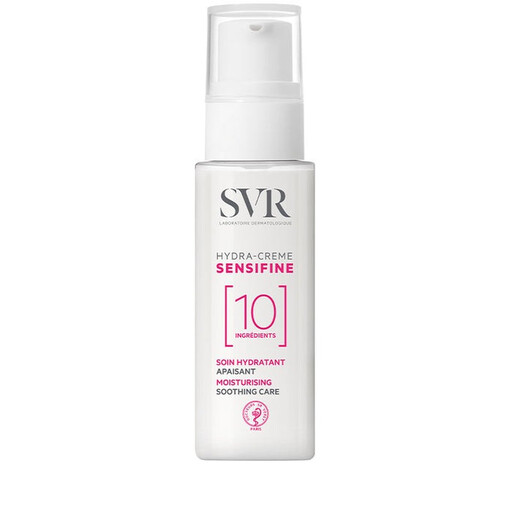
Why it's a match: Developed for individuals with extremely reactive skin who are sensitive to most products. The minimalist formula reduces the risk of irritation to an absolute minimum.
This cream is the antithesis of an overloaded formulation. With a very short ingredient list, it strictly omits anything that isn't absolutely necessary, including fragrances.
The formula contains avocado oil, squalane, and panthenol for soothing and hydration. The gel-cream texture absorbs quickly and is non-comedogenic. The hygienic pump dispenser protects the product from contamination.
Many of the soothing formulations discussed here also contain Vitamin E (Tocopherol) or its derivatives. As an antioxidant, it can provide additional protection for the skin against environmental stressors.
We've curated a comprehensive, up-to-date list of products that meet these strict selection criteria and comply with current regulations.
1. How often should I apply a face cream for sensitive skin? For continuous hydration and to strengthen the skin barrier, a twice-daily application is recommended—morning and evening after cleansing. Apply the cream to slightly damp skin to better lock in moisture.
2. What does "non-comedogenic" mean? The term "non-comedogenic" means that a product's ingredients have been selected so that they do not clog pores. This is particularly important for individuals prone to blemishes or acne, but it is also beneficial for sensitive skin types, as clogged pores can lead to inflammation and irritation.
3. Can a rich cream for dry skin also be used on combination skin? Yes, this is possible. For combination skin, which has both dry and oilier areas (typically the T-zone), you can apply a richer cream specifically to the dry areas, such as the cheeks. For the oilier zones, a lighter gel-cream or fluid may be a more suitable choice.
Authored by: Joybuy Product Recommendation OfficerDate: July 28, 2026