
Lieferung heute & morgen

Qualitätsgarantie

Willkommens-Angebote freischalten: KOSTENLOSE Lieferung | Bis zu 80 % RABATT | Kostenlose 30-Tage-JoyPlus-Testphase
App herunterladen
Sensitive skin can be a daily challenge. Redness, tightness, or unexpected reactions to new products are all too familiar for many. The skincare market is vast, but not every product promising to be "gentle" or "for sensitive skin" actually delivers. Often, well-intentioned purchases lead to more frustration instead of the hoped-for relief.
This guide will help you identify the most common pitfalls and understand the key criteria for an effective sensitive skincare routine. We'll show you what to look for to find products that genuinely support your skin barrier, rather than putting it under additional stress.
Before investing in new products, it's helpful to know the most common reasons for poor purchases. Many problems can be avoided by understanding where hidden irritants lie.
To find the right products, you shouldn't rely on advertising messages alone. The following three parameters provide an objective basis for your purchasing decision.
The International Nomenclature of Cosmetic Ingredients (INCI) is your most important tool. Look for formulations that focus on soothing and barrier-strengthening active ingredients.
The skin's surface has a slightly acidic pH of around 5.5. This "acid mantle" fends off harmful microorganisms and keeps the skin barrier intact. A gentle cleanser should respect this pH value. Products with a neutral or slightly acidic pH are therefore preferable to alkaline soaps, as they don't throw the skin off balance.
If your skin remains dry and tight despite using mild products, the cause could be your tap water. A shower head with a filter can make a fundamental difference here. Such systems use filter media like activated carbon or calcium sulphite to reduce chlorine, heavy metals, and other impurities. The result is softer water that is noticeably less harsh on skin and hair, creating the foundation for a successful skincare routine.
The choice of the right product depends heavily on individual needs and your existing skincare routine. Here are some recommendations tailored to different user profiles.
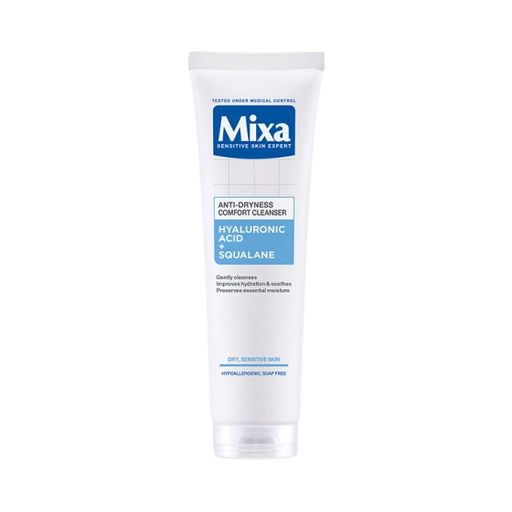
Why this product is a good fit: Ideal for anyone looking for a straightforward yet effective daily facial cleanser without a big budget. The formula is stripped back to the essentials and designed for sensitive skin.
Instead of relying on vague promises, this cleansing gel offers a transparent formula with hydrating hyaluronic acid and avoids harsh surfactants.
The soap-free formula cleanses thoroughly without drying out the skin or leaving it feeling tight. It provides hydration even during the cleansing step.
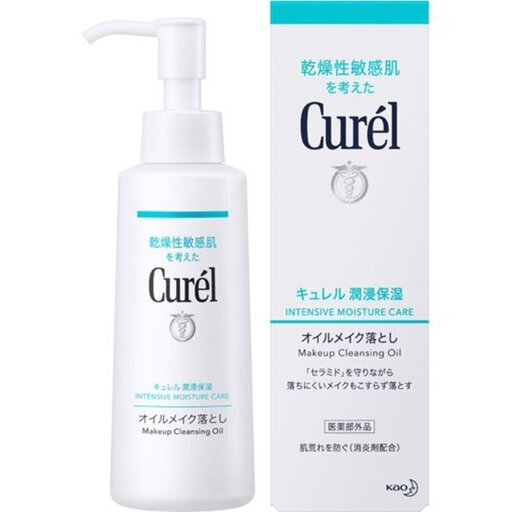
Why this product is a good fit: Perfect for users who wear makeup (including waterproof types) and are looking for a high-quality makeup remover that protects the skin barrier. An example of thoughtful Asian skincare.
This cleansing oil is specifically designed to protect the skin's own ceramides rather than stripping them away. It cleanses effectively without compromising the skin's natural protective layer.
Dissolves even stubborn makeup without harsh rubbing. The formula rinses off easily and contains an anti-inflammatory ingredient that helps prevent skin roughness.
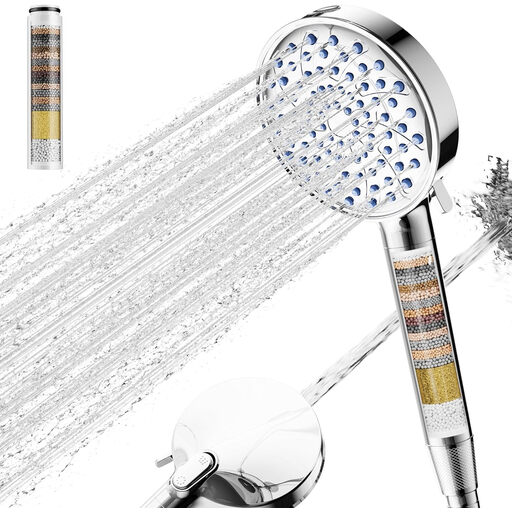
Why this product is a good fit: For anyone who lives in a region with hard water and finds their skin is prone to dryness and itching all over their body. This product tackles the problem at its root.
Instead of just treating the symptoms of dry skin with creams, this shower head addresses the cause by filtering irritants like chlorine and limescale from the water.
The multi-stage filtration system effectively reduces impurities. The softer water can lead to a noticeable improvement in how skin feels and result in shinier hair.
We have compiled a complete, up-to-date list of products that fully meet these strict selection criteria and comply with current safety regulations.
1. How often should I cleanse my face if I have sensitive skin? For most people with sensitive skin, cleansing twice a day is ideal: in the morning to remove sweat and excess oil from the night, and in the evening to remove makeup, sunscreen, and environmental pollutants. It's crucial to use a very mild, pH-balanced cleansing product. Over-cleansing can have the opposite effect and weaken the skin barrier.
2. Can a shower filter really help with dry skin? Yes, especially in areas with hard, chlorinated water containing high levels of limescale. These substances can strip the natural fats and oils from skin and hair, leading to dryness, itching, and a dull appearance. A shower head with a filter reduces these irritants in the water and can thus help to stabilise the moisture balance of the skin and hair.
3. What is the difference between a cleansing oil and a cleansing gel for sensitive skin? A cleansing oil works on the principle of "like dissolves like" and is extremely effective at removing oil-based products such as makeup, sebum, and sunscreen without drying out the skin. It is typically applied to dry skin as the first step in a double cleansing routine. A cleansing gel is water-based and serves to actually cleanse the skin. For sensitive skin, it should be soap-free and hydrating, and can be used as the second cleansing step or on its own in the morning.