
Lieferung heute & morgen

Qualitätsgarantie

Willkommens-Angebote freischalten: KOSTENLOSE Lieferung | Bis zu 80 % RABATT | Kostenlose 30-Tage-JoyPlus-Testphase
App herunterladen
Sensitive skin often reacts to a range of products with tightness, stinging, dryness or visible redness. Finding suitable skincare can quickly become confusing: a cream may feel comfortable on dry skin, but too rich for oily or blemish-prone skin. And a product marketed as ‘sensitive’ is not necessarily fragrance-free or suitable for everyone.
This guide explains what to look for in skincare products for sensitive skin, common mistakes to avoid when buying them, and the types of products that may suit different everyday needs.
‘Sensitive’ is not a standardised quality mark. Check the INCI list on the product itself. If your skin is reactive, parfum, essential oils or fragrance ingredients that must be listed separately, such as limonene and linalool, may not be suitable. Fragrance-free skincare is a sensible starting point for many people, but it doesn’t replace an individual patch test.
Many active ingredients sound appealing, but they aren’t necessary for every skin concern. If your skin barrier is weakened, a simple formula with humectants and lipids may be more practical than a complex blend of acids, fragrance and plant extracts.
If you introduce several new products at once, it can be difficult to tell which one caused a reaction. It’s better to introduce one new product at a time and test it on a small area of skin first. If redness, itching or stinging persists, stop using the product and seek medical advice if needed.
For daily facial skincare for sensitive skin, ingredients such as glycerin, panthenol, squalane, hyaluronic acid and ceramides are often worth looking out for. Ceramides, cholesterol and phytosphingosine appear in a number of formulas and are used to care for dry skin barriers. The phrase ‘strengthens the skin barrier’ shouldn’t be taken as a medical claim; it indicates a formula focused on moisturising or nourishing the skin with lipids.
It’s also worth checking whether the texture suits your skin type:
‘Silicone-free’ or ‘vegan’ on its own says little about how well a product will suit your skin. The full ingredients list and your personal response are what matter. If you have known allergies, check the packaging carefully. Formulas can change, so always refer to the INCI list on the current product packaging.
A face cream isn’t automatically suitable for the eye area, broken skin or babies. Hair removal products and shaving care come with additional directions for use. Aerosols also carry pressure and heat warnings. Read the manufacturer’s instructions before buying and before using a product for the first time.
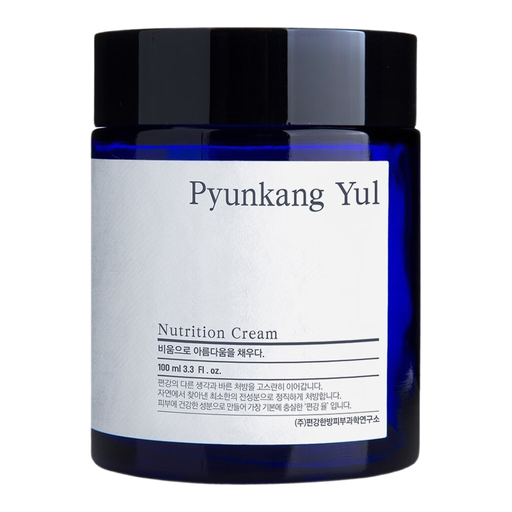
Why it suits this profile: This rich face and neck cream is designed for dry and sensitive skin. According to the product description, it is formulated without alcohol, preservatives, silicones or fragrance.
The ‘fragrance-free’ label helps you narrow down your options, but you should still check the current INCI list.
100 ml size, rich cream texture and suitable for use on the face and neck.
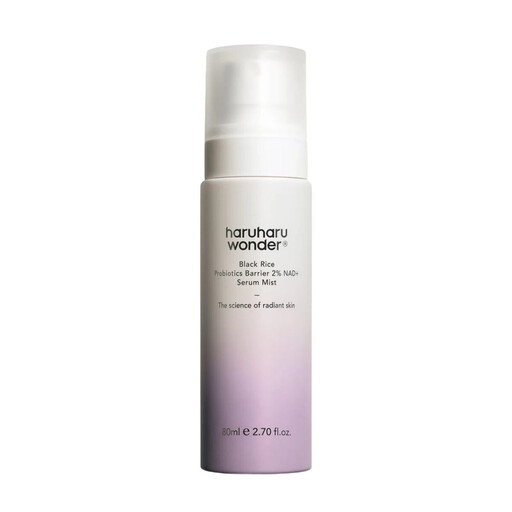
Why it suits this profile: This spray can be used between skincare steps or on the go. According to the product details, it contains glycerin, panthenol, squalane and ceramides, among other ingredients.
As a mist, it’s an extra step rather than a replacement for a final layer of cream.
80 ml size, fine spray and flexible use throughout the day.
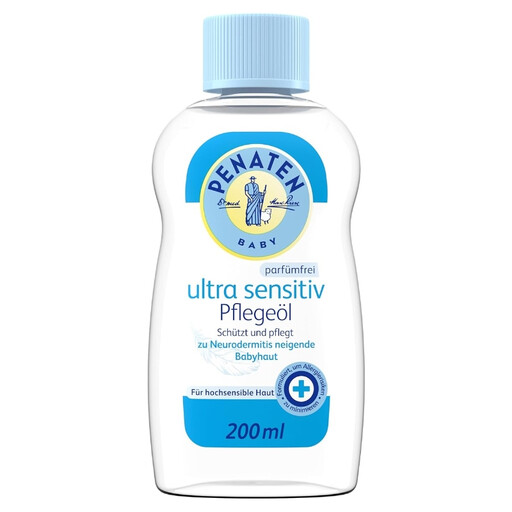
Why it suits this profile: According to the product description, this oil is suitable for babies from birth. It can be used for massage, body care and cleaning the nappy area.
The label clearly states that it contains no fragrance or colourants, which is more helpful than a general ‘sensitive’ claim. Always follow the directions for use.
200 ml size, fragrance-free oil formula and several intended uses.
Start with a gentle cleanser, then apply a moisturiser suited to your skin. Choose a moisturiser for sensitive skin based on how dry your skin feels and the time of year. A richer texture may be helpful when indoor air is dry from central heating, while a light gel-cream may feel more comfortable in summer.
For men with sensitive skin, shaving with warm water, a suitable shaving product and as little pressure as possible can help reduce friction. Shaving products containing fragrance aren’t automatically unsuitable, but may be less appropriate if you know you’re sensitive to fragrance. After shaving, avoid putting your skin under extra stress with harsh exfoliants or heavily fragranced products.
Look for a simple formula with humectants and skin-friendly lipids such as glycerin, panthenol, squalane or ceramides. Fragrance-free products can make it easier to find something suitable. Test new skincare on a small area first.
It depends on how your skin feels and the product you’re using. Many face creams are applied morning and evening, while body moisturisers are often used after washing. For babies and children, follow the manufacturer’s instructions and use only as much product as needed.
A spray can give your skin a fresh feeling for a short time and complement your routine. If your skin is dry, it’s generally not enough as your only skincare step, as you may need to follow it with a cream or another suitable product to help lock in moisture.