
Lieferung heute & morgen

Qualitätsgarantie

Willkommens-Angebote freischalten: KOSTENLOSE Lieferung | Bis zu 80 % RABATT | Kostenlose 30-Tage-JoyPlus-Testphase
App herunterladen
A well-placed sensor light can make daily life much easier and improve home security. No more fumbling for the light switch in a dark hallway, no more stumbling on the stairs, and no more gloomy corners in the garden. But the market is flooded with models whose real-world performance often only becomes apparent after purchase. Many products overpromise and underdeliver.
Before you make a decision, it's helpful to know the most common pitfalls that can lead to a bad purchase:
To avoid these issues, you should check three core technical parameters. These determine whether an LED lamp with a sensor is right for your intended application.
Sensor lights primarily use two types of sensors, often in combination:
The choice of power source depends entirely on the location and the desired level of maintenance:
The lighting effect is determined by two values:
Here are some models tailored to specific needs and use cases.
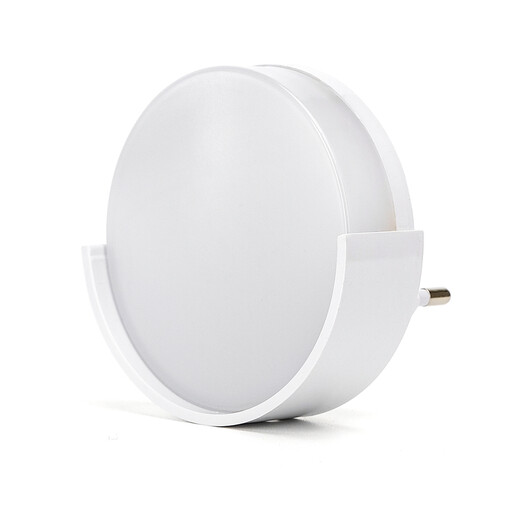
Why This Fits Their Persona: Ideal for those who want a simple, reliable, set-and-forget solution. Perfect as a guide light in hallways, stairwells, or children's rooms to make nighttime navigation safer.
This model avoids the pitfall of complex or unreliable sensors by using a simple dusk-to-dawn sensor. It automatically turns on in the dark (below 20 LUX) and off in the light—with no false triggers.
Plug-and-Play: Just plug it into the socket, and you're done. Highly energy-efficient: With a consumption of only 1W, it's extremely cost-effective to run.

Why This Fits Their Persona: Perfect for renters or DIY enthusiasts who need simple yet effective lighting for closets, kitchen counters, or dark alcoves without any drilling.
This model tackles the problem of short battery life with a 1100mAh battery that ensures a long runtime. This eliminates the need for constant recharging, making the light much more practical for daily use.
Adjustable Colour Temperature: Choose between warm, neutral, and cool white light. Easy Installation: Thanks to the adhesive strip, installation is tool-free and leaves no residue.
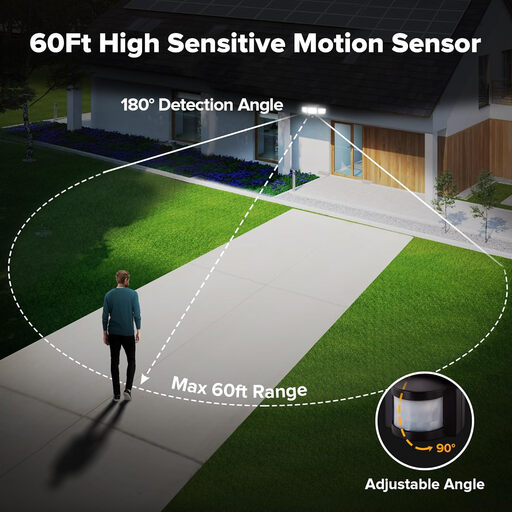
Why This Fits Their Persona: Designed for home and garden owners looking for a powerful, self-sufficient solution to illuminate driveways, patios, or entryways to enhance property security.
Many solar lights are too dim or not weatherproof. This model delivers high brightness with 3000 lumens and is robust against weather conditions like rain and snow, thanks to its IP65 protection rating.
Zero Running Costs: It operates entirely on power from the integrated solar panel. Wide Illumination Angle: The three adjustable heads allow for illumination up to 270°.
We have compiled a complete, up-to-date list of products that fully meet these strict selection criteria and rigorous safety standards.
For a light with a motion sensor, the ideal spot is where the sensor can easily detect typical pathways, such as across its detection zone. Avoid pointing it at heat sources (heaters, vents) or windows to minimise false alarms. A night light with a dusk-to-dawn sensor should not be placed directly under another lamp, as this could interfere with the sensor.
The battery life depends on the capacity (mAh) and the frequency of use. Models with a capacity of 1000 mAh or more can last for several weeks to months with average use (approx. 5–10 activations per day) before needing to be recharged via a USB cable.
No, modern LED sensor lights are extremely energy-efficient. Plug-in models often consume less than 1 watt. Even if they are on all night, the electricity costs over a year are minimal, typically amounting to a negligible sum.