
Lieferung heute & morgen

Qualitätsgarantie

Willkommens-Angebote freischalten: KOSTENLOSE Lieferung | Bis zu 80 % RABATT | Kostenlose 30-Tage-JoyPlus-Testphase
App herunterladen
A baby's first independent movements are a significant milestone. When your child starts exploring the world on all fours, you want to provide the best possible support. The market for crawling accessories is vast, but not every product delivers on its promise. As your Joybuy Product Recommendation Officer, I'll help you separate the wheat from the chaff and make an informed decision that safely and effectively promotes your child's development.
Many well-intentioned purchases turn out to be impractical or even counterproductive. Watch out for these typical traps to avoid wasting your money.
Before you make a purchase, you should check three core aspects. These criteria will help you objectively evaluate a product's safety and practical utility.
Safety starts with the right grip. A non-slip environment is crucial for those first crawling attempts.
To encourage a baby to crawl, you need the right motivation. The right toy for learning to crawl should offer a clear incentive for movement.
Your child's safety is the top priority. Don't rely on marketing claims, but on verifiable standards.
Here are some product recommendations tailored to different needs and situations, all of which meet the criteria mentioned above.
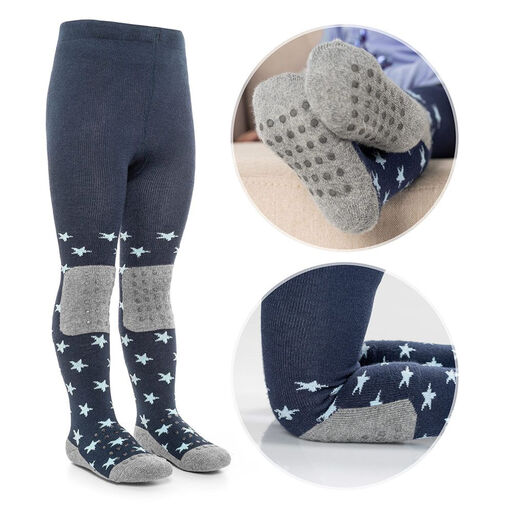
Why it's a great fit: Ideal for parents looking for a simple yet highly effective solution to the problem of slipping on smooth floors. An indispensable basic for any crawling infant in a modern home.
Directly solves the problem of unsuitable materials for smooth floors. The ABS grips on the knees and soles provide targeted support exactly where it's needed for crawling and early attempts at standing.
High cotton content (85% according to the manufacturer) for a skin-friendly feel. The wide comfort waistband prevents pressure marks. Machine washable at 40°C for easy care.
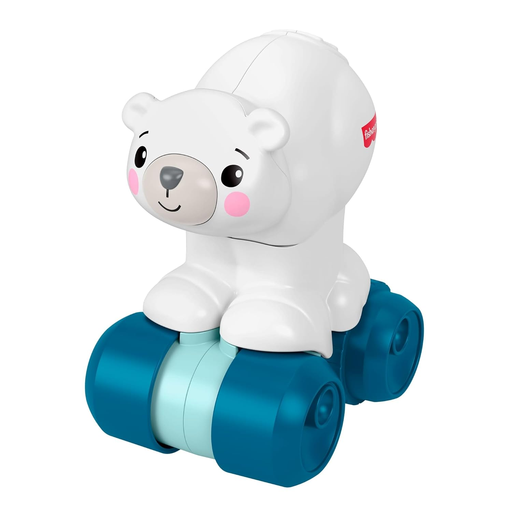
Why it's a great fit: For parents who want to specifically encourage crawling. This toy is designed to create a clear, visual incentive that the baby will want to follow.
Avoids the trap of overstimulating toys. Instead of flashing lights, it uses a simple, mechanical forward motion that encourages the child to crawl after it—a clear cause-and-effect principle.
Simple activation by pressing down. The forward motion motivates pursuit. Sensory details like the fabric tail and clicking head further stimulate curiosity.
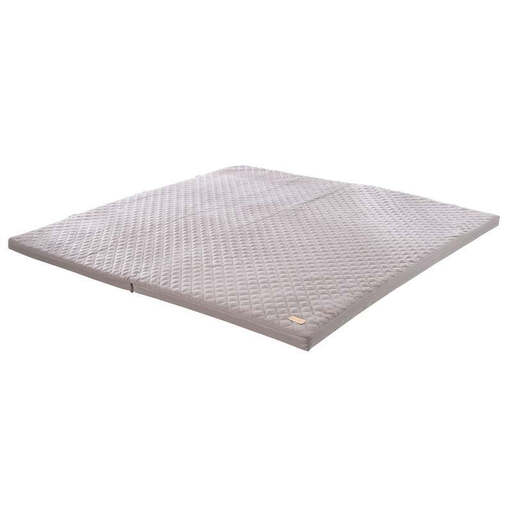
Why it's a great fit: Perfect for families looking for a versatile and durable solution. This product is more than just a crawling mat; it's an investment in a safe play and sleep environment.
Escapes the trap of short-term usability with its 2-in-1 functionality. It can be used as a large play mat (120x120 cm) and as a standard travel cot mattress (60x120 cm), extending its usefulness far beyond the crawling phase.
Soft PU foam padding protects against falls and cold floors. The cover is removable, machine-washable, and tested for harmful substances according to the manufacturer, ensuring hygiene and safety.
We have compiled a complete, up-to-date list of products that fully meet these strict selection criteria and safety regulations.
1. When do crawling accessories become useful? Crawling accessories are useful when your baby starts showing active signs of mobility. This typically happens between the 6th and 10th month, when they rock on all fours, push themselves backward, or attempt their first forward movements. Non-slip tights or a crawling mat are good initial purchases. Motivating toys become interesting once the child is stable on all fours.
2. How do I properly clean a crawling mat or non-slip clothing? Always follow the manufacturer's care instructions. Most crawling tights and crawling mat covers are machine washable at 30°C or 40°C. It is recommended to wash clothing with ABS grips inside out to preserve the grip of the dots. The surfaces of foam mats can usually be wiped clean with a damp cloth and mild soap.
3. Does my baby need special toys to learn to crawl? Not necessarily. Often, simply placing everyday objects or their favourite stuffed animal just out of reach is enough to spark curiosity and the will to move. However, special toys that move can provide an additional, targeted incentive and increase motivation to cover a certain distance. The focus should always be on encouraging their own initiative.