Who prepares portions of cheese for lunch?

People preparing small portions for the week

You want to prepare grated cheese for several lunches, so the first thing you check is whether your existing four-star freezer compartment has enough room. The Federal Centre for Nutrition recommends freezing only the amount you need in individual portions.

Households short on freezer space

You freeze other food as well as cheese, but don’t have much room for another appliance. The consumer advice centre recommends choosing freezer capacity to suit the food you actually store.

People who prepare larger batches of meals

You regularly prepare a range of meals and need space that’s easy to organise. Keeping perishable food chilled after taking it out of the freezer and while you’re out is a separate consideration; the Federal Institute for Risk Assessment recommends keeping this type of food chilled when travelling, too.

What should you consider when freezing and taking food with you?

Existing four-star freezer compartment

A good fit if: You’re preparing just a few portions and have enough room in the compartment.

Consider: A three-star compartment isn’t the same as a four-star one when it comes to initially freezing fresh food.

Compact tabletop freezer

A good fit if: Your existing compartment is too small and you don’t have many other frozen foods to store.

Consider: A second appliance takes up floor space and adds to your electricity use; a compact design alone doesn’t tell you how much energy it uses.

Larger freezer or chest freezer

A good fit if: You regularly freeze larger quantities of food as well as cheese.

Consider: An appliance with much more capacity than you need could use more electricity than necessary.

What matters What to check before buying Who it matters most to
Freezing safely and keeping food chilled when you’re out Choose a four-star compartment for fresh cheese, and plan separately how to keep it chilled until you eat it. The consumer advice centre uses −18 °C as a reference temperature for storing frozen food. If I’m freezing fresh cheese and taking it as part of a perishable meal, I plan for freezing and keeping it chilled afterwards separately. Around 36 % of consumers prioritise these two requirements.
Freezer capacity and space for the appliance Choose a usable capacity that suits all the food you plan to store, and check the appliance’s external dimensions against the space available. If I’m only freezing cheese and a few other things, I don’t want an appliance that takes up more space than necessary. Around 29 % of consumers focus mainly on getting the right freezer capacity and finding room for the appliance.
Annual energy consumption For appliances with the right capacity, compare kWh/year and the energy efficiency class on the energy label; standardised figures may differ from energy use at home. If I’m buying an appliance that will be running all the time, I want to compare its stated energy consumption with its usable capacity before I buy. Around 21 % of consumers prioritise ongoing electricity use.
Portioning and access Choose the interior layout and containers to suit your portions; write the contents and date on freezer-safe packaging. If I’m taking out individual portions on different days, I want them to be easy to find and suitably packaged. As cheese can change in flavour or texture after freezing, depending on the type, around 14 % of consumers focus mainly on how they’ll use the portions later.

Which mistakes should you avoid?

  • Buying a second appliance just for a few portions of cheese

    A separate freezer runs all the time. The consumer advice centre points out that an appliance that’s too large for your needs could use more electricity than necessary.

    First, check whether your existing four-star compartment is suitable and has enough room. If you’re planning to buy another appliance, base its size on all the food you regularly freeze.

  • Assuming a smaller appliance uses less energy

    Size alone doesn’t tell you how much electricity a freezer uses.

    Compare the annual energy consumption and usable capacity of the specific models, rather than choosing based on the space they take up alone.

  • Relying on a freezer to keep your lunchbox chilled

    Freezing food at home doesn’t replace the need to keep perishable food sufficiently chilled in transit and until you eat it.

    Plan separately for keeping food chilled once it’s out of the freezer. The Federal Institute for Risk Assessment recommends keeping perishable food chilled when you’re out and about, too.

Examples of manufacturers for different freezer needs

Bosch

The GTV15NWEB is a tabletop freezer and an example of an appliance for when space is limited.

  • Bosch Hausgeräte DE lists a usable capacity of 83 l, energy consumption of 164 kWh/year and SuperFreezing for the GTV15NWEB.
  • Total No Frost isn’t listed for this model; these details apply to the GTV15NWEB, not to every appliance from the brand.

Exquisit

The GS81-040C weiss is a compact freestanding appliance. Check its dimensions and usable capacity against the space you have available.

  • Exquisit lists a capacity of 87 l, energy consumption of 105.04 kWh/year and external dimensions of 54.5 × 85 × 58 cm for this model.
  • Before comparing, check the exact version on offer and its product data sheet, particularly the energy efficiency class.

Liebherr

The FNa 6635 Plus NoFrost is a larger freezer option for when you need space for food beyond cheese.

  • Liebherr lists a capacity of 260 l, noise level of 33 dB, NoFrost and dimensions of 145.5 × 69.7 × 76 cm for this model.
  • This capacity may be more than you need if you’re only freezing a few portions of cheese; the right size depends on everything you plan to store.

Compact freezers for small amounts of food

This Joybuy selection features compact freezers for small to modest amounts of food, including models rated four-star for freezing fresh food.
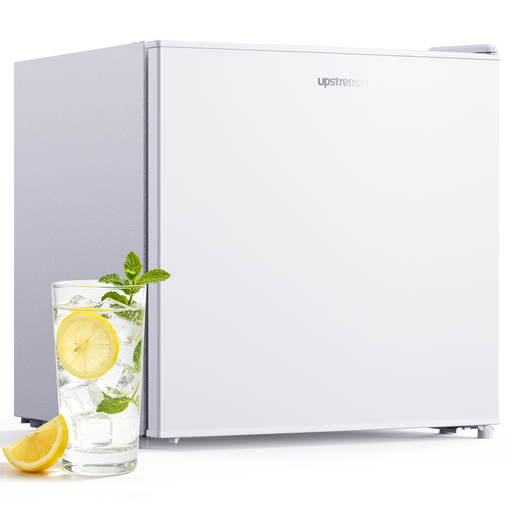
Upstreman UF35 mini freezer, 35 l

Upstreman UF35 mini freezer, 35 l

A compact option for small portions if your existing four-star freezer compartment doesn’t have enough room.

35 l; four-star mini freezer; reversible door; 41 dB.

View at Joybuy
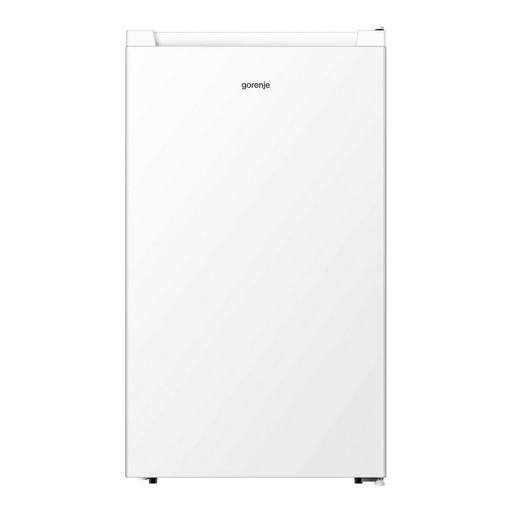
Gorenje F39EPW4 tabletop freezer, energy efficiency class E

Gorenje F39EPW4 tabletop freezer, energy efficiency class E

An option for modest amounts of food if you need extra freezer space alongside your four-star compartment.

61 l usable capacity; four-star compartment; freezing capacity of 3 kg/24 h; energy efficiency class E. Manual defrosting required.

View at Joybuy

COMFEE' RCU40WH2(E) mini freezer, 31 l

COMFEE' RCU40WH2(E) mini freezer, 31 l

For very small amounts of food when you need a separate freezer rated four-star for freezing.

31 l; four-star freezer; 147 kWh/year; energy efficiency class E; reversible door and adjustable feet.

View at Joybuy
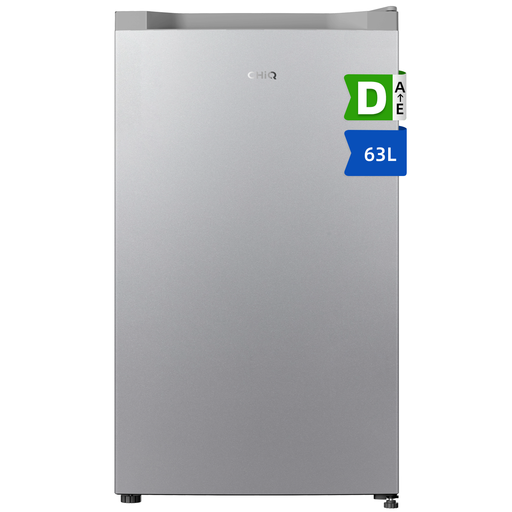
CHiQ JR63DSD freezer, 63 l, silver

CHiQ JR63DSD freezer, 63 l, silver

An option for modest amounts of food if separate compartments would make it easier to access individual portions.

63 l; four-star fast freezing; two adjustable drawers; 47 cm wide; 38 dB; energy efficiency class D. Manual defrosting required.

View at Joybuy

COMFEE' RCU60WH2(E) freezer, 60 l

COMFEE' RCU60WH2(E) freezer, 60 l

For small amounts of food that you want to organise across several separate compartments.

60 l; three storage compartments; four-star freezing performance according to the product description; reversible door; adjustable feet.

View at Joybuy

Frequently asked questions about freezing cheese

Can I freeze fresh grated cheese in a three-star compartment?

For initially freezing food, the Federal Centre for Nutrition recommends a four-star compartment. According to its guidance, a three-star compartment is suitable for storing food that’s already frozen for longer periods, but it doesn’t have the same freezing function.

Will frozen cheese keep its texture when served in a cold lunch?

Not necessarily: according to the Lower Saxony consumer advice centre, cheese can lose flavour and become crumbly, depending on the type. Hard cheese is particularly suitable for cooking or baking after freezing, so don’t assume it will have the texture you want in a cold meal.

How should I store prepared portions and take them with me?

Pack portions in freezer-safe containers, label them with the date and, where possible, defrost frozen food in the fridge. The Federal Institute for Risk Assessment recommends keeping perishable food chilled when you’re out and about, too.

What energy information should I check before buying?

Check the energy efficiency class, kWh/year and capacity on the EU energy label for the specific model. The consumer advice centre notes that annual energy consumption is measured under standardised test conditions and may differ at home.

Can I put an old freezer in my household rubbish?

No. According to the Federal Environment Agency, old electrical appliances must be collected separately. For delivery and return, check whether a suitable local collection point or a retailer take-back service is available; take-back obligations depend, among other things, on the retailer and the circumstances of the return.