
Lieferung heute & morgen

Qualitätsgarantie

Willkommens-Angebote freischalten: KOSTENLOSE Lieferung | Bis zu 80 % RABATT | Kostenlose 30-Tage-JoyPlus-Testphase
App herunterladen
A serrated kitchen knife cuts differently from a smooth kitchen knife: its teeth or waves grip firm skins and crusts, while putting less pressure on soft foods. This makes it practical for tomatoes, bread rolls, cakes, pizza and meat.
However, certain common marketing claims can lead to poor purchasing decisions. An eye-catching blade design says little about how practical a knife is for everyday use. The key factors are the intended use, blade length, handle material and care instructions.
A bread knife with a 26 cm blade is suitable for large loaves and cakes, but can feel awkward when cutting a tomato or small onion. For fruit and vegetables, 8 to 10 cm is usually sufficient. A steak knife or pizza knife is often around 11 to 12 cm long, making it well suited to use at the table.
Many stainless-steel knives are described as dishwasher-safe. This makes cleaning easier, but heat, detergent and friction can put greater strain on cutting performance and the handle surface. If you want to preserve the knife’s performance for as long as possible, wash a serrated knife by hand, dry it immediately and store it safely.
A serrated knife can cut into a soft tomato cleanly, but it is not designed for every task. Bread requires a longer blade that is preferably tall enough for the job. For cheese, cut-outs can help prevent soft varieties from sticking to the blade. A serrated vegetable knife, on the other hand, should be compact and easy to control.
Start by considering the task you will perform most often:
Blade length alone does not determine cutting quality. Also check whether the blade is toothed, wavy or fitted with cut-outs.
A stainless-steel knife is easy to use in everyday kitchen life, provided it is dried thoroughly after cleaning. Descriptions such as “rust-resistant” should not encourage you to leave the knife in water for extended periods. Handles made from polypropylene, or PP for short, are lightweight and generally resistant to moisture. Wooden handles, by contrast, usually require more care and are generally not suitable for the dishwasher.
Also look for a non-slip, ergonomically shaped handle. Particularly when cutting tomatoes or crusts, a secure grip is more important than a decorative colour.
Check the manufacturer’s information regarding dishwasher suitability. Some products are described as dishwasher-safe but still come with a recommendation to wash them by hand. Use a stable chopping board made from wood or suitable plastic. Glass, stone and ceramic boards can put greater strain on the cutting edge.
Serrated blades are more difficult to sharpen than smooth blades. They should therefore not be used for levering, frozen foods, bones or hard objects. Store the knife in a knife block, a drawer insert or with a blade guard.
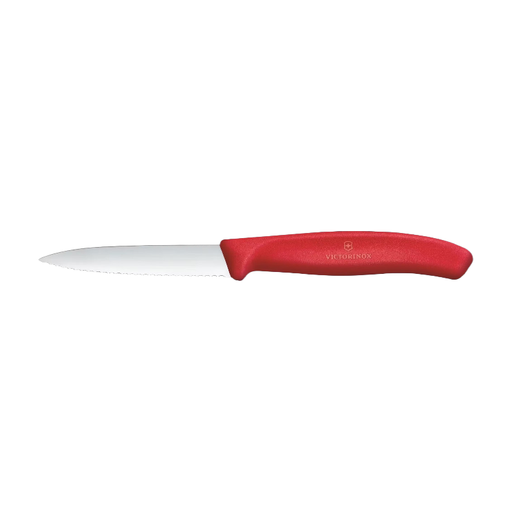
Why this product suits the profile: The 8 cm blade is designed for small cutting tasks involving tomatoes, fruit and vegetables. The low weight of 20 g and PP handle make it easy to use every day.
The compact design prevents you from buying an unnecessarily long blade for small tasks. It is listed as dishwasher-safe, although hand washing is recommended to protect cutting performance.
8 cm serrated blade, stainless-steel blade, lightweight PP handle and dishwasher-safe design.
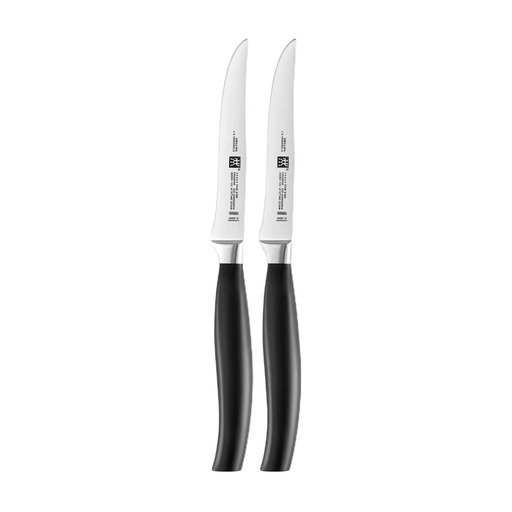
Why this product suits the profile: This two-piece steak knife set is aimed at households that prefer serrated table knives for meat dishes and need two identical knives.
The set size is clearly designed for two people, helping you avoid unnecessary duplicate purchases. The product details specify an ergonomically balanced plastic handle and a finger guard.
Two steak knives made from SIGMAFORGE special steel, with serrated blades and ergonomic plastic handles.
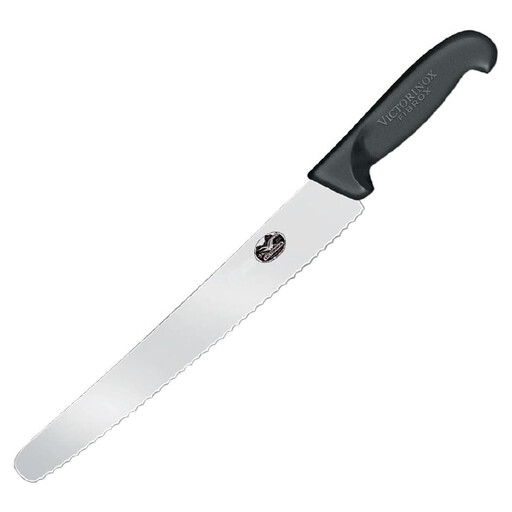
Why this product suits the profile: The 26 cm blade is designed for bread, cakes and pastries. The non-slip handle and curved blade shape support controlled cutting movements.
The long blade reduces the need to cut large loaves with a tomato knife that is too short. The care information recommends gentle cleaning and suitable chopping boards.
26 cm stainless-steel serrated blade with a curved shape and non-slip plastic handle.
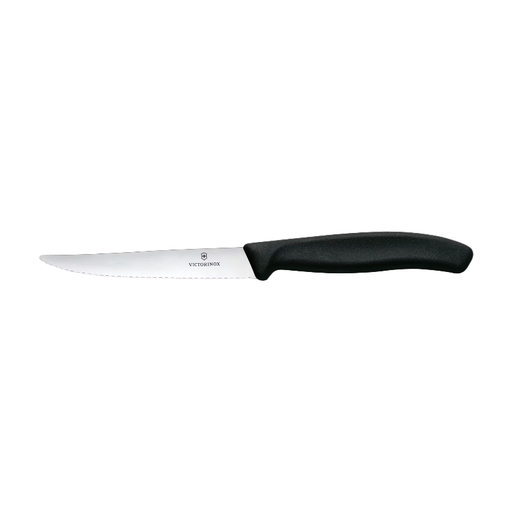
Why this product suits the profile: Six 11 cm knives are ideal for shared meals, barbecues and pizza nights. The PP handles are lightweight and designed for everyday use.
The uniform set size means you will not run short of different knives when serving several guests. The blades are designed for steak and pizza and are listed as dishwasher-safe.
Six stainless-steel knives with 11 cm serrated blades, PP handles and suitability for steak and pizza.
We have put together a complete, regularly updated list of products that fully meet these strict selection criteria and the safety regulations applicable in the EU.
For a folding picnic knife, German regulations on carrying knives in public places also apply. When using the knife at home, safe storage is the key consideration.
A serrated knife is suitable for foods with a firm outer skin and a soft interior. These include tomatoes, bread rolls, bread, pizza, cakes and certain cuts of meat. For precise rocking cuts or chopping hard ingredients, a smooth kitchen knife is often more suitable.
Its service life depends on how often it is used, the chopping board, cleaning and storage. A serrated blade can remain functional for a long time if the knife is not used on hard boards or for levering. As the individual teeth are more difficult to sharpen, the blade should be treated with particular care.
For households with little time, dishwasher suitability can be convenient. For the gentlest possible care, however, hand washing followed by immediate drying is still recommended. With knives that have wooden handles or special handle surfaces, the manufacturer’s instructions should be followed particularly carefully.