
Lieferung heute & morgen

Qualitätsgarantie

Willkommens-Angebote freischalten: KOSTENLOSE Lieferung | Bis zu 80 % RABATT | Kostenlose 30-Tage-JoyPlus-Testphase
App herunterladen
An even complexion is a common skincare goal, but the path to achieving it can be overwhelming. The market for dark spot serums is saturated with products promising rapid results. However, many users invest in formulations that fail to meet their expectations. This guide will help you understand the crucial product features, avoid common purchasing pitfalls, and make an informed decision for your skin.
Before selecting a product, it's essential to critically evaluate common marketing claims. Many serums don't deliver on their promises, often for the following reasons:
To find the right serum for an even complexion, you should focus on three objective criteria. These will help you evaluate product performance independently of advertising messages.
Choosing the right active ingredient is fundamental. Different substances work against hyperpigmentation in various ways.
A good brightening serum is more than the sum of its parts. The overall formulation determines its efficacy and tolerability.
Every skin is different. A highly concentrated serum can cause redness or dryness in sensitive skin.
Based on the criteria above, we have identified several products suitable for different needs and skin types.
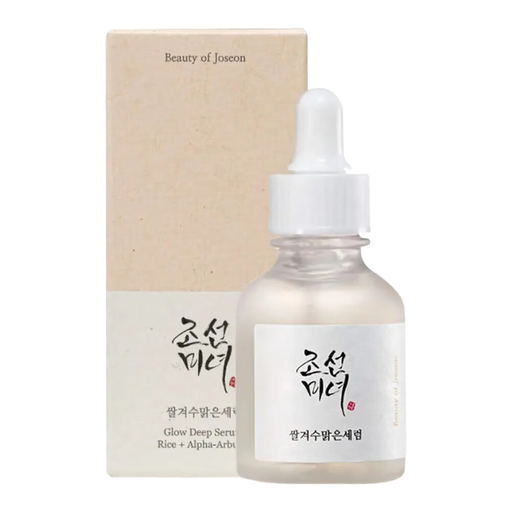
Why This Fits Their Persona: Ideal for those new to using brightening actives or who have sensitive skin. The formula combines an effective 2% concentration of Alpha Arbutin with 68% Rice Bran Water, known for its hydrating and soothing properties.
It relies on a proven active ingredient at an effective concentration rather than a superficial glow. The supportive base of rice bran water counteracts the irritation that can occur with potent serums.
Combines 2% Alpha Arbutin and Niacinamide for targeted brightening. The lightweight, watery texture absorbs quickly and provides hydration without feeling sticky.
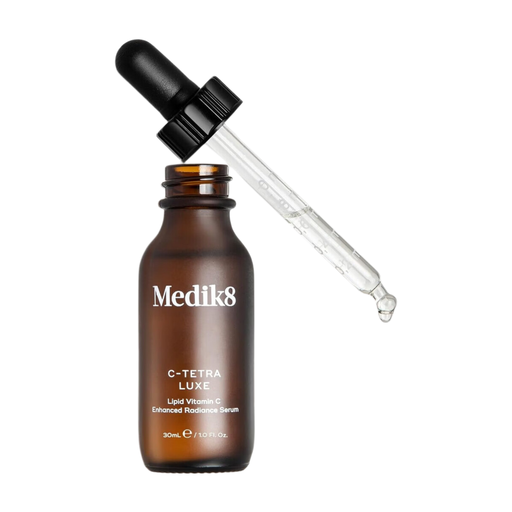
Why This Fits Their Persona: Perfect for users who specifically want to leverage the antioxidant and brightening benefits of Vitamin C but prefer a more stable and gentler alternative to pure L-Ascorbic Acid. The oil-soluble formula is also well-suited for drier skin types.
It directly addresses the stability problem of Vitamin C. By using a stabilized derivative in a lipid-based formula, it ensures the active ingredient remains potent until application and does not degrade prematurely.
Contains Tetrahexyldecyl Ascorbate, a stable, oil-soluble form of Vitamin C known for its excellent tolerability. The formula is enriched with Vitamin E, which further enhances its antioxidant power.
We have compiled a complete, real-time updated list of products that fully meet these strict selection criteria and all applicable safety regulations.
1. How long does it take for a dark spot serum to work? Patience and consistency are key. It typically takes about 8 to 12 weeks of daily use to see the first visible improvements in skin tone. The exact timeframe depends on the chosen active ingredient, its concentration, your individual skin type, and the severity of the hyperpigmentation.
2. Can I use multiple brightening serums at the same time? "Layering" multiple potent serums is possible but not always recommended, as it can increase the risk of skin irritation. It is often more effective to choose a single, well-formulated serum that combines multiple active ingredients. If you do wish to combine products, introduce each one individually into your routine to monitor for compatibility. A common method is to use a Vitamin C serum in the morning and a serum with Niacinamide or Alpha Arbutin in the evening.
3. Do I need to use sunscreen in the winter when using a brightening serum? Yes, absolutely. UVA rays, which are a major contributor to skin aging and pigmentation, are present year-round, even on cloudy days and in winter. Furthermore, many brightening actives can make the skin more sensitive to light. Daily application of a broad-spectrum sunscreen is the most important step to protect the results achieved by your serum and prevent new dark spots from forming.