
Lieferung heute & morgen

Qualitätsgarantie

Willkommens-Angebote freischalten: KOSTENLOSE Lieferung | Bis zu 80 % RABATT | Kostenlose 30-Tage-JoyPlus-Testphase
App herunterladen
Dark spots, patches of pigmentation and visible acne scars can have a range of causes, including UV exposure, previous breakouts and hormonal changes. If you’re looking to buy a serum for dark spots, you’ll find plenty of products making similar claims. The key is to look beyond the brand name and consider the ingredients, how well the formula suits your skin and how to use it correctly.
A percentage on the label may sound impressive, but it doesn’t tell you everything about the product or whether your skin will tolerate the formula. A niacinamide serum with 5% may be a more suitable choice for some skin types than a much higher-strength formula. If your skin is sensitive or prone to breakouts, introduce it gradually.
Cosmetic serums can help care for the appearance of uneven skin tone, but visible changes usually take more than one application. Claims such as “removes instantly” or “guarantees spot-free skin” should be treated with caution. A vitamin C serum or a tranexamic acid serum also needs to be used consistently, alongside suitable sun protection.
UV exposure can affect the development and appearance of dark spots. If you want to address hyperpigmentation and achieve a more even-looking skin tone, use a suitable sunscreen during the day. This is especially important when using products containing vitamin C derivatives, acids or retinol. A serum is not a substitute for sunscreen.
The ingredients listed near the top of the INCI list are particularly relevant when choosing a serum. Commonly used ingredients include:
A long ingredients list isn’t proof of quality. What matters more is whether the formula suits your skin type and existing skincare routine.
Sensitive skin may react to fragrance, essential oils, high concentrations of acids or using several active products at the same time. When trying a new serum, it’s a good idea to do a patch test on a small area of skin. Don’t apply it to broken, irritated or inflamed skin. If you experience redness, stinging, itching or persistent irritation, stop using it and seek advice from a dermatologist if needed.
Store products containing vitamin C according to the manufacturer’s instructions and keep them out of direct sunlight. A pump dispenser can reduce contact with air and fingers. Ampoules offer a convenient single dose for a specific application, while a 30- or 50-millilitre serum may be easier to work into your daily routine.
When you introduce a new product, avoid using it at the same time as several other active serums. This makes it easier to work out which formulas your skin tolerates.
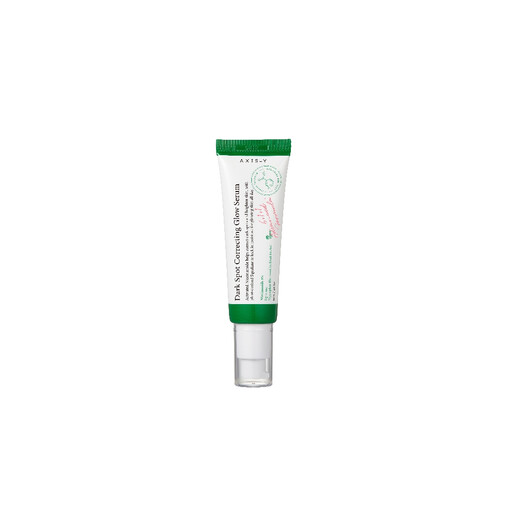
Why it suits this profile: The 50-millilitre size and gel-like texture make this a good fit if you’re after an easy-to-use niacinamide serum for everyday facial skincare.
The formula specifies 5% niacinamide and avoids vague claims about what the product can do.
According to the product information, it contains squalane, glycerin and sodium hyaluronate. Apply all over the face or target specific areas.
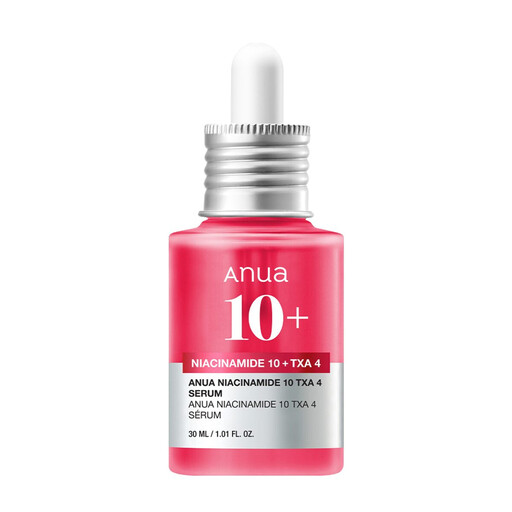
Why it suits this profile: A good option if you’d like to combine niacinamide and tranexamic acid in one skincare routine.
The product information clearly specifies 10% niacinamide, 4% tranexamic acid and 2% arbutin.
Contains 30 ml, hyaluronic acid and ceramides. Check the product information if you have a nut allergy, and take note of the salicylate it contains.
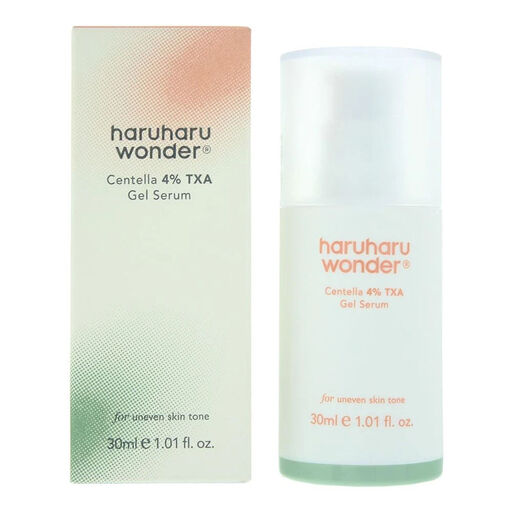
Why it suits this profile: A good choice if you’d like to add a tranexamic acid serum with Centella asiatica extract to your regular Korean skincare routine.
The product page states the 4% TXA concentration and recommends using a moisturiser and sunscreen during the day.
A lightweight serum texture, 30 ml size and a formula focused on Centella and 4% tranexamic acid.
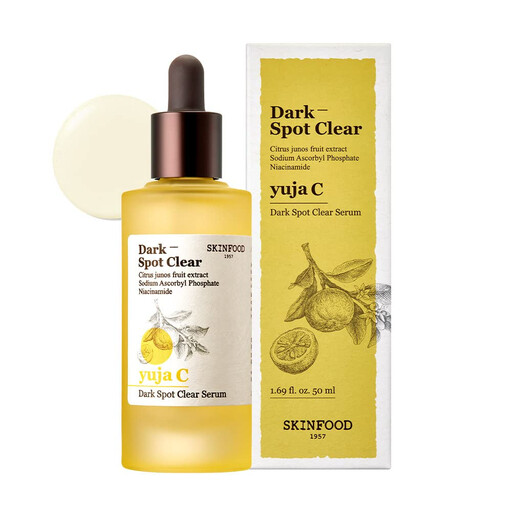
Why it suits this profile: An option if you prefer a vitamin C serum with humectants and a lightweight texture.
The product information names a vitamin C derivative and also flags the potential for sensitivity due to essential oils.
Contains 50 ml, glycerin, panthenol and sodium hyaluronate; the product information states that it is alcohol-free and paraben-free.
We’ve put together a complete, regularly updated list of products that meet these strict selection criteria and the safety regulations in force in the EU.
A serum for dark spots is usually applied after cleansing and before moisturiser. A few drops, or the amount recommended by the manufacturer, are generally enough. If you’re combining several active ingredients, introduce just one new product at a time. Follow with a suitable sunscreen in the morning. Retinol and acid products are best used in the evening and introduced gradually.
It depends on the amount in the bottle, how much you use and how often you apply it. A 30-millilitre product may last for several weeks or months if you use just a few drops each time. Follow the manufacturer’s instructions, check the open-jar symbol and refer to the best-before or use-by date on the packaging.
Whether you can combine them depends on how well your skin tolerates them. If you’re new to these ingredients, it’s better to start by using one product on its own. If you experience redness or stinging, simplify your routine. Always check the latest INCI list and the manufacturer’s instructions.
For superficial discolouration, products containing niacinamide, vitamin C derivatives or tranexamic acid are often chosen. A serum for acne scars can help improve the appearance of your skin, but it’s not a substitute for a diagnosis from a dermatologist. Contact a dermatology practice if you have deep scars, rapidly growing spots or any unusual skin changes.