
Lieferung heute & morgen

Qualitätsgarantie

Willkommens-Angebote freischalten: KOSTENLOSE Lieferung | Bis zu 80 % RABATT | Kostenlose 30-Tage-JoyPlus-Testphase
App herunterladen
Dark spots, acne scars and an uneven skin tone can all be addressed as part of your daily skincare routine with the right facial serum. But the choice can be overwhelming: a high concentration of active ingredients doesn’t automatically mean a product is right for your skin. Terms such as ‘glow’, ‘brightening’ or ‘glass skin’ also say little about how well a product is tolerated, how to use it or how it’s formulated.
This buying guide explains what to look for when buying a serum for dark spots in Germany, and which product profiles may suit different skin needs.
A vitamin C serum with a high concentration of pure ascorbic acid can be more demanding to use than a product containing a stabilised vitamin C derivative. Similarly, a high concentration of acids may cause tightness or redness on sensitive skin. So it’s not just the percentage that matters: consider the form of the active ingredient, pH, packaging and directions for use too.
A brightening facial serum is generally designed to improve the appearance of unevenness, dull skin or dark spots. Cosmetic products don’t change your natural skin tone at will. If you notice any unusual, new or changing spots, seek advice from a dermatologist.
UV radiation can affect the development or appearance of pigmentation. A serum isn’t a substitute for sun protection. When using a serum in the morning, you should also apply a broad-spectrum sunscreen with a suitable SPF. This is especially important with formulas containing vitamin C, glycolic or salicylic acid, or retinal.
If you have sensitive skin or skin prone to blemishes, check the full INCI list. Fragrance, essential oils, acids and several active ingredients in one product may not suit everyone. A fragrance-free serum with soothing and hydrating ingredients such as panthenol, glycerin or hyaluronic acid can be a practical choice.
Before applying a product over a larger area for the first time, carry out a patch test on a small area of skin. Don’t apply products to broken or severely irritated skin.
Vitamin C products can be affected by light and air. That’s why light-protective, tightly sealed packaging and storage according to the manufacturer’s instructions are important. For every product, check the batch number, expiry date and period-after-opening information on the packaging.
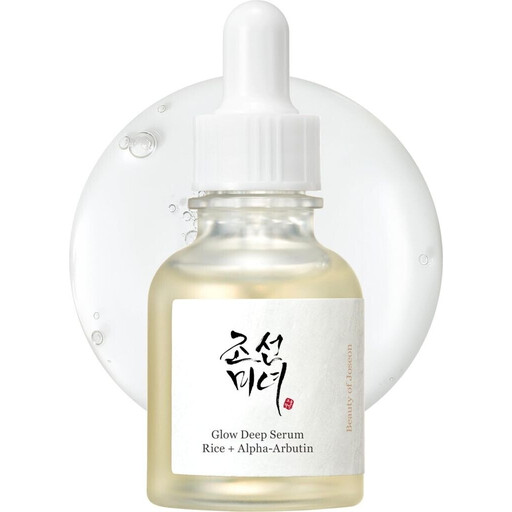
Why this product suits this profile: The formula combines alpha-arbutin, niacinamide, panthenol and hydrating ingredients in a lightweight texture. It’s a good fit for beginners looking for a Korean facial serum without a complicated active-ingredient routine.
The clearly listed combination of active ingredients means the product isn’t marketed on the word ‘glow’ alone. The INCI list offers extra guidance.
Alpha-arbutin and niacinamide; 30 ml; apply after cleansing and before moisturiser.
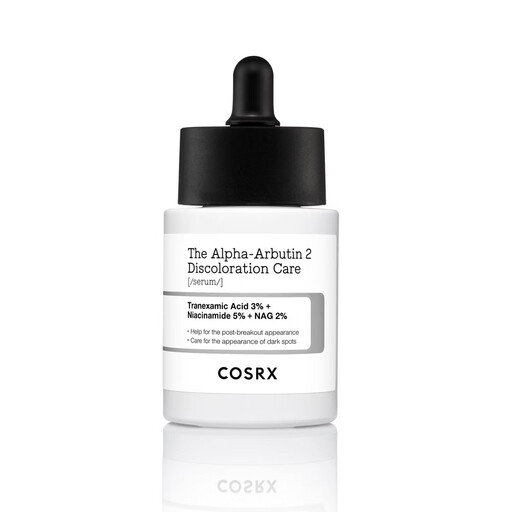
Why this product suits this profile: According to the product description, the serum contains 2% alpha-arbutin, alongside tranexamic acid, niacinamide, ferulic acid, glutathione, panthenol and five forms of hyaluronic acid.
The product description names specific active ingredients and confirms that the formula is fragrance-free. This makes it easier to compare the product with your own check of the INCI list.
50 ml; lightweight, non-sticky texture; according to the product information, suitable for sensitive skin and skin prone to blemishes.
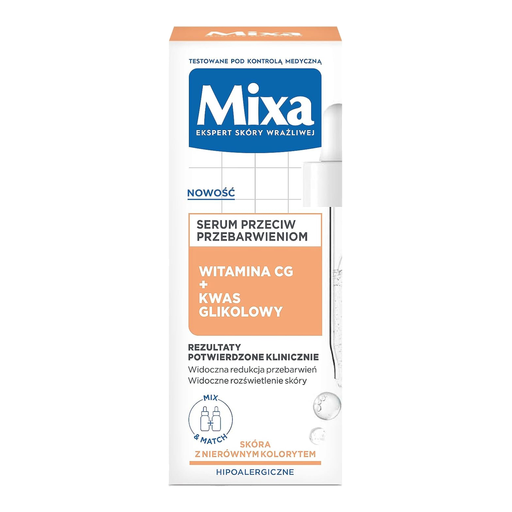
Why this product suits this profile: The formula combines vitamin Cg, glycolic acid, niacinamide and salicylic acid. It may appeal if you want to address uneven-looking skin texture as well as dark spots.
The acids are easy to identify in the ingredients list. If you have sensitive skin, you can start using the product cautiously and follow the recommended sun protection guidance.
Designed for morning and evening use; contains glycolic acid, salicylic acid and a vitamin C derivative; includes hydrating ingredients.
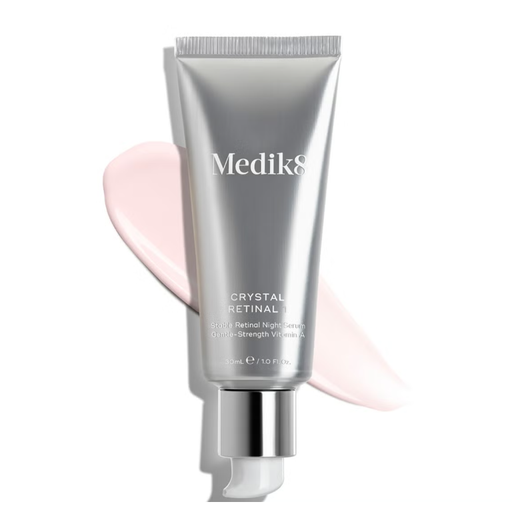
Why this product suits this profile: According to the description, the product contains 0.01% stabilised retinal and is intended for evening use. It’s aimed at anyone looking to combine pigmentation care with a smoothing skincare routine.
The instructions recommend building up use gradually. This helps reduce the risk of introducing retinal too frequently. Morning sun protection is specifically included in the routine.
0.01% stabilised retinal; hyaluronic acid, glycerin and vitamin E; use two pumps in the evening.
We’ve put together a complete, regularly updated list of products that meet these strict selection criteria and fully comply with the safety regulations in force in the EU.
Skincare products need to be used regularly over several weeks. The exact timeframe depends on the active ingredient, your skin’s starting point, sun exposure and how well your skin tolerates the product. Always follow the manufacturer’s directions for use. Taking daily photos in consistent lighting can help you assess changes in your skin.
These ingredients are used together in some formulas. Even so, you should take your skin’s individual tolerance into account. If you have sensitive skin, it’s a good idea to introduce one product at a time and see how your skin responds. Don’t add strong acids or retinal without first planning a suitable routine.
The price depends on factors such as size, active ingredient concentration, packaging, brand and formula. A higher price doesn’t guarantee a better fit. What matters is a clear ingredients list, accurate labelling, suitable directions for use and a formula that matches your skin’s needs.