
Lieferung heute & morgen

Qualitätsgarantie

Willkommens-Angebote freischalten: KOSTENLOSE Lieferung | Bis zu 80 % RABATT | Kostenlose 30-Tage-JoyPlus-Testphase
App herunterladen
Dark spots, post-blemish marks and an uneven skin tone can’t be judged by words like “Glow” or “Brightening” on their own. A serum for dark spots should suit your skin, your daily routine and the ingredients it contains. It’s important to have realistic expectations of skincare: it can improve the appearance of discolouration, but it can’t replace a dermatologist’s assessment of any unusual or changing areas of skin.
More niacinamide, vitamin C or acid doesn’t necessarily mean a product is right for you. A high concentration can feel uncomfortable on sensitive or already irritated skin. What matters is the overall formula, how often you use it and how well your skin tolerates it.
A radiant look after applying a product may be due to hydration, light reflection or its texture. That’s not the same as a lasting change in visible pigmentation. When choosing a serum for dark spots, look for clear information about its ingredients and how to use it.
UV rays can contribute to the development and appearance of dark spots. A brightening serum without consistent broad-spectrum sun protection during the day may therefore fall short of expectations. This is particularly true of formulas containing vitamin C derivatives or exfoliating acids.
Cosmetic formulas often use a range of ingredients to reduce hyperpigmentation:
The product description alone isn’t enough. The current INCI list on the packaging is what matters, as formulas can change.
A lightweight gel or ampoule texture often suits combination and oily skin that’s prone to blemishes. Richer formulas containing glycerin, squalane, panthenol or hyaluronic acid may appeal to those with normal to dry skin. If you have sensitive skin, check carefully for fragrance, essential oils and acids.
A clear set of directions is a good sign: should you use the product in the morning, in the evening or on specific areas? Can you combine it with moisturiser and sun protection? Before applying it to a larger area for the first time, it’s a good idea to do a patch test on a small area of skin. Stop using the product if you experience burning, redness, itching or swelling.
Cosmetic products shouldn’t be used on open wounds, broken skin or severely irritated skin. If a product contains salicylic acid, follow the instructions on the packaging. According to the product information, Medicube Red Succinic Acid Serum contains 0,2 % salicylic acid and carries a specific age warning.
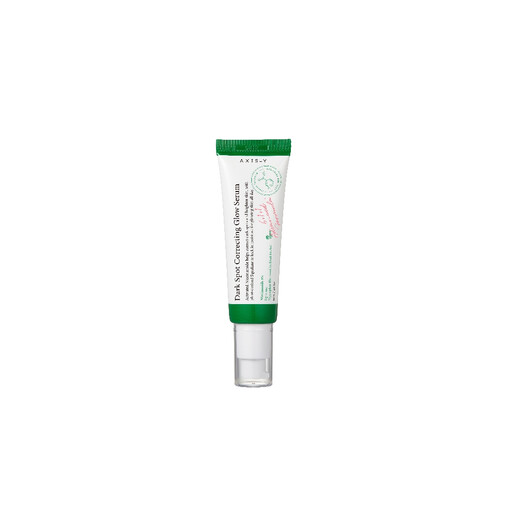
Why this product suits this profile: The lightweight gel texture and 5 % niacinamide make it a good fit for a simple daily routine. According to the product information, the serum is suitable for all skin types, including sensitive skin and skin prone to blemishes.
The active ingredient concentration is clearly stated, and the formula also contains glycerin, sodium hyaluronate and squalane. So it’s about more than just the word “Glow”.
5 % niacinamide, a lightweight texture, 50 ml and plant extracts such as papaya and sea buckthorn, according to the product description.
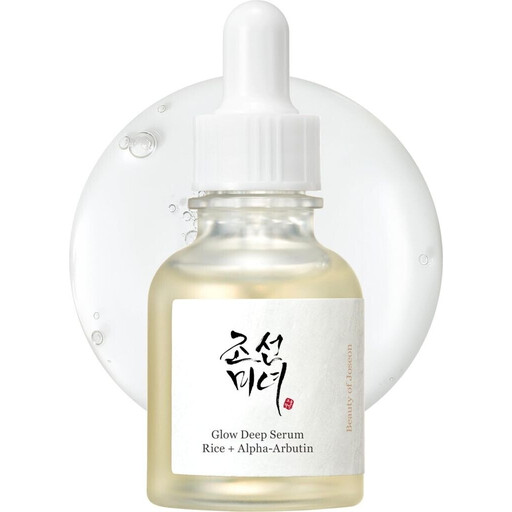
Why this product suits this profile: The combination of alpha-arbutin and niacinamide will appeal to shoppers who want to choose their K-beauty skincare for dark spots based on the INCI list.
The product description clearly names the key active ingredients. The packaging remains the definitive source for the current formula.
Alpha-arbutin, niacinamide, glycerin and panthenol in a water-based serum formula.
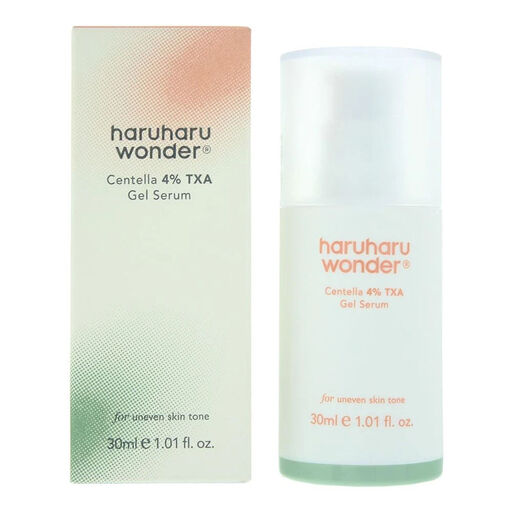
Why this product suits this profile: For anyone looking for a tranexamic acid serum with soothing Centella Asiatica. According to the product information, its lightweight texture can be used morning and evening.
The stated 4 % TXA concentration makes it easier to compare with other products. The reminder to check the current INCI list on the packaging helps prevent you relying on outdated information.
4 % tranexamic acid, according to the product information, Centella Asiatica and a fast-absorbing, non-greasy texture.
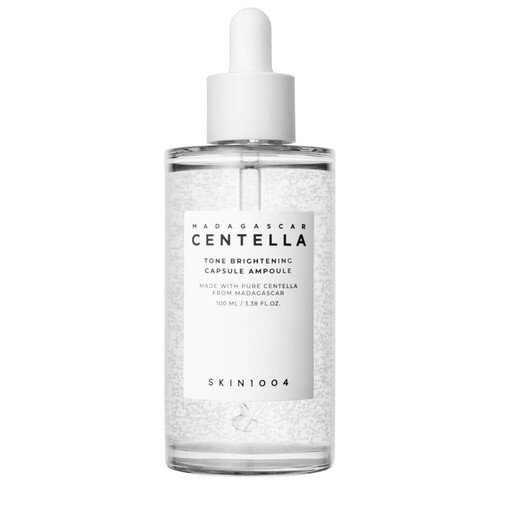
Why this product suits this profile: The larger size is ideal for regular use all over the face. The formula combines niacinamide, tranexamic acid and Centella Asiatica extract.
Alongside the ingredients promoted for brightening, the formula lists humectants and panthenol. This helps you avoid choosing a product based on just one active ingredient.
100 ml, 4 % niacinamide according to the product information, tranexamic acid, Centella Asiatica and a capsule ampoule texture.
We’ve put together a complete, regularly updated list of products that meet these strict selection criteria and fully comply with the safety regulations in force in the EU.
It depends on the formula, your starting point and your individual skin. Regular use that your skin tolerates well over several weeks is more common than a short intensive course. Always follow the product instructions on use and shelf life. Stop using it if irritation persists.
Whether you can combine them depends on how well your skin tolerates them and the specific formulas. If you use several products, introduce just one new product at a time. If you have sensitive skin, using them at different times, for example morning and evening, may make your routine easier to manage.
No. Post-blemish marks, sun-related discolouration and other skin changes can have different causes. Skincare is intended to improve the appearance of superficial unevenness. New, unusual or changing spots should be assessed by a doctor.