
Lieferung heute & morgen

Qualitätsgarantie

Willkommens-Angebote freischalten: KOSTENLOSE Lieferung | Bis zu 80 % RABATT | Kostenlose 30-Tage-JoyPlus-Testphase
App herunterladen
By Joybuy Product Recommendation Officer, August 29, 2026
The search for an effective serum for blemish-prone skin can be frustrating. The market is saturated with products that promise quick fixes, yet the desired results often fail to materialise. Many users invest in expensive serums only to find their skin condition barely improves or even worsens. The goal of this guide is to provide you with objective criteria to make an informed decision and find products based on demonstrable parameters, rather than on exaggerated marketing claims.
Before we delve into the crucial product characteristics, it's important to understand the most common mistakes that lead to disappointment and unnecessary expense.
To avoid these pitfalls, you should base your selection on two fundamental technical features. These will help you objectively evaluate a product's efficacy.
The foundation of an effective regimen for oily and blemish-prone skin is regular exfoliation to remove dead skin cells and keep pores clear. The choice of acid type is critical here.
A potent active ingredient alone does not guarantee a good product. The effectiveness of acids is highly dependent on the pH level of the formulation. For optimal exfoliating action, it should ideally be between 3 and 4. Furthermore, a good serum should contain soothing and moisturising ingredients like niacinamide, panthenol, glycerin, or hyaluronic acid to support the skin barrier and counteract potential irritation. A non-comedogenic formulation that doesn't further clog pores is also a must.
Based on the criteria above, we have compiled a selection of products suitable for various needs and use cases.
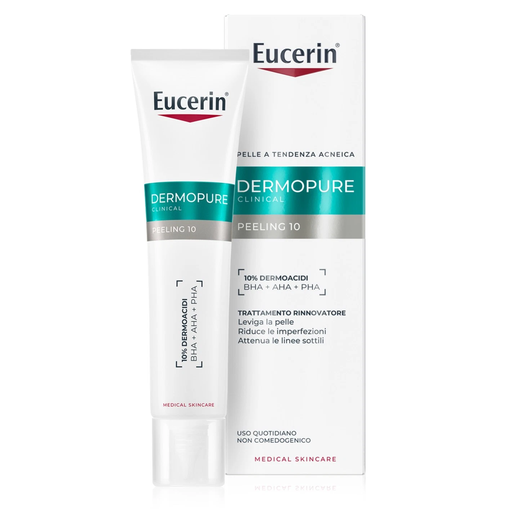
Why This Fits Their Persona: Suitable for users who rely on the dependability of a well-known dermo-cosmetic brand. This product offers a science-backed approach for those seeking a visible improvement in their skin's appearance.
This product avoids the "all-in-one" trap with a targeted yet comprehensive formulation. The clearly declared 10% Hydroxy Complex shows a focus on efficacy rather than making vague promises.
Combines AHA (Glycolic Acid), BHA (Salicylic Acid), and PHA (Gluconolactone) for a triple effect: pores are cleared, the skin surface is smoothed, and skin renewal is supported. The formula is non-comedogenic.
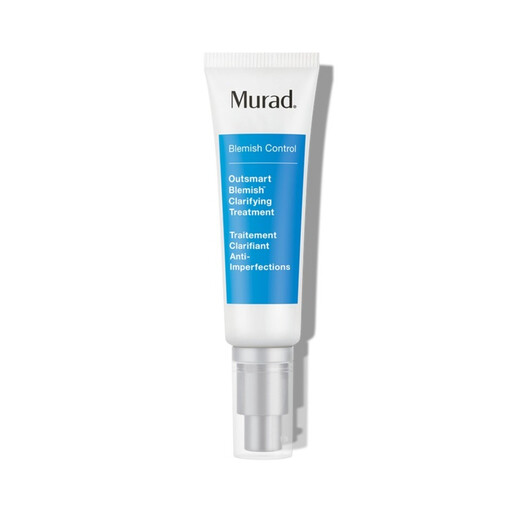
Why This Fits Their Persona: For users who have tried various products without success and are ready to invest in a high-potency, clinically-oriented solution. **Murad acne care** is known for its targeted formulations.
This serum goes beyond a single active ingredient. Its "Penta-Acid Technology" is a sophisticated combination that aims for maximum efficacy while simultaneously soothing the skin, thus avoiding the trap of a formula that is too simplistic or too aggressive.
According to Murad, it is clinically proven to reduce the appearance of blemishes. The formula combines five acids, including salicylic and glycolic acid, to treat existing blemishes and prevent new ones.
We've compiled a complete, up-to-date list of products that fully meet these strict selection criteria and safety regulations.
1. How often should I use a serum for blemish-prone skin with salicylic acid?
It is recommended to start with an application two to three times a week, preferably in the evening, to test skin tolerance. If no excessive dryness or irritation occurs, the frequency can be slowly increased to once daily. Since acids can make the skin more sensitive to light, the daily use of a broad-spectrum sunscreen is essential.
2. Can I combine a clarifying serum with other active ingredients like retinol or vitamin C?
Combining them is possible but requires caution to avoid skin irritation. A common method is to apply them at different times: Vitamin C in the morning, the acid serum in the evening. Combining it with retinol should be done gradually, for example, by alternating use on different evenings. Monitor your skin closely when introducing new active ingredients into your routine.
3. How long until I can expect to see visible results in adult acne treatment?
The skin renewal cycle takes about 28 days. While a reduction in oily shine is often noticed sooner, significant improvements in skin appearance, such as a decrease in blemishes and a smoother texture, typically appear after four to eight weeks of consistent use. Patience and regular application are key.