
Lieferung heute & morgen

Qualitätsgarantie

Willkommens-Angebote freischalten: KOSTENLOSE Lieferung | Bis zu 80 % RABATT | Kostenlose 30-Tage-JoyPlus-Testphase
App herunterladen
Dark spots, acne scars and an uneven skin tone are among the most common reasons for searching for a serum for dark spots. The options range from vitamin C serum to niacinamide serum to formulations with alpha-arbutin or tranexamic acid. Marketing terms like "glow", "brightening" or "glass skin" alone, however, tell you little about a product's everyday suitability.
The following selection from the Joybuy Product Recommendation Officer therefore focuses on clear, understandable criteria: active ingredient, concentration, texture, usage instructions and potential irritants.
A vitamin C serum with 23% pure ascorbic acid sounds impressive at first. For sensitive or inexperienced skin, however, a high concentration can be more demanding to use than a product with vitamin C derivatives or a lower active ingredient content. What really matters, therefore, is not just the percentage, but also your skin type, routine and tolerance.
Niacinamide, acids, retinal, vitamin C and other brightening ingredients used together in one routine can unnecessarily stress your skin. This is especially true with a face serum for hyperpigmentation – your skincare should be built up gradually. Introduce new products one at a time and, if you have sensitive skin, test them on a small area first.
UV radiation can influence the development and visibility of pigmentation changes. A serum alone is no substitute for sun protection. In the morning, therefore, a suitable product with a stated SPF should be part of your routine. This is particularly important with formulations containing vitamin C, glycolic acid or retinal.
An alpha-arbutin serum is aimed at shoppers looking for a targeted active ingredient in a usually lightweight formula. The α-Arbutin 2 Pigment Care Serum contains, according to the product description, 2% alpha-arbutin as well as tranexamic acid and niacinamide. It also lists five forms of hyaluronic acid and panthenol.
A niacinamide serum can be an option if, alongside dark spots, an uneven skin texture or excess shine is also a concern. The product details should be checked carefully: the AXIS-Y Dark Spot Correcting Glow Serum, for example, states 5% niacinamide, while other serums show lower or higher concentrations.
With vitamin C, a distinction should be made between pure ascorbic acid and stabilised derivatives. Pure ascorbic acid is often more sensitive to light and air. That is why packaging, storage and shelf life are relevant.
For a serum for sensitive skin, fragrance-free formulations and a manageable combination of active ingredients are often practical selection criteria. Fragrances, essential oils, alcohol or exfoliating acids can be uncomfortable for some individuals. Checking the INCI list is therefore more useful than relying solely on the claim "suitable for all skin types".
Even with blemish-prone skin, the texture should be considered. A lightweight gel is used differently in daily life than a creamy serum. If you want to apply a product precisely to individual spots, you also don't need a large face ampoule.
With vitamin C products, the bottle should be closed again immediately after use and protected from direct light. With retinal or acid products, the respective usage instructions are particularly important. The Medik8 Crystal Retinal 1, for example, recommends a gradual introduction in the evening and the use of sun protection in the morning.
Ingredient lists can change according to the product details. Before purchasing and before use, therefore, the packaging should be checked against the current product information.
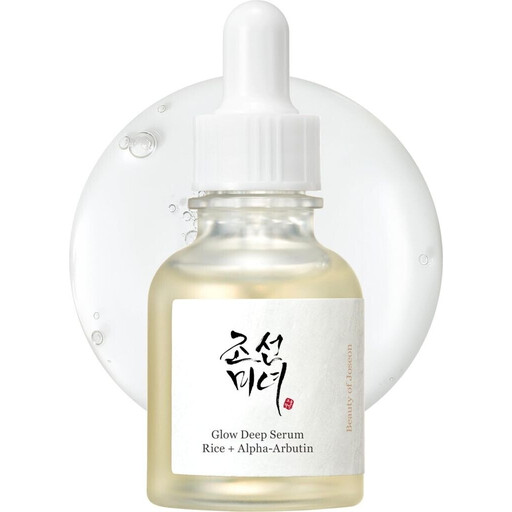
Why this product suits the profile: The straightforward formulation combines alpha-arbutin, niacinamide and panthenol in a 30ml bottle, making it suitable for a simple daily routine.
The product details list specific ingredients rather than a vague glow effect. It contains neither retinal nor a high concentration of pure ascorbic acid.
Alpha-arbutin and niacinamide; supplemented with glycerin, trehalose and panthenol for a hydrating texture.
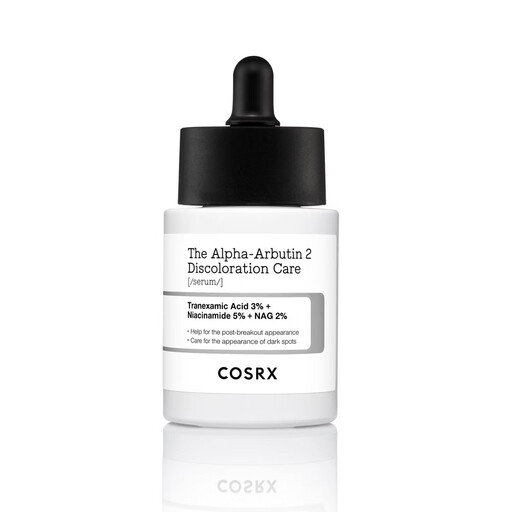
Why this product suits the profile: If you are looking for a Korean skincare serum with several clearly named care components, you get a larger 50ml size for your facial routine.
The composition states 2% alpha-arbutin as well as tranexamic acid and niacinamide. According to the product description, the formulation is fragrance-free.
2% alpha-arbutin, five forms of hyaluronic acid, panthenol and a lightweight, non-sticky texture according to the product description.
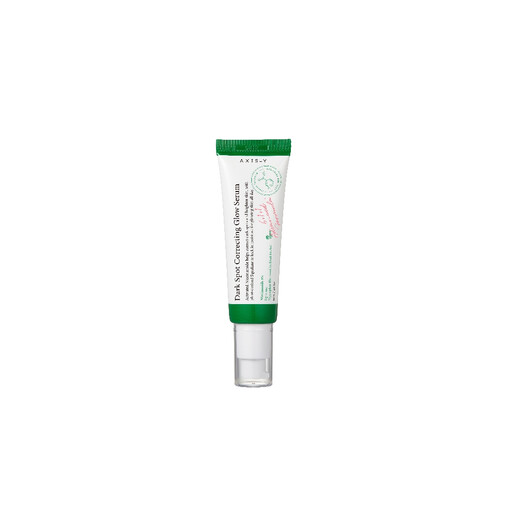
Why this product suits the profile: The gel texture can be used all over the face or targeted on individual spots, and can be incorporated into your routine both morning and evening.
With 5% niacinamide, the active ingredient content is clearly stated. The lightweight consistency avoids a heavy feeling on the skin during application.
5% niacinamide, squalane, hyaluronic acid and plant extracts; 50ml content for regular use.
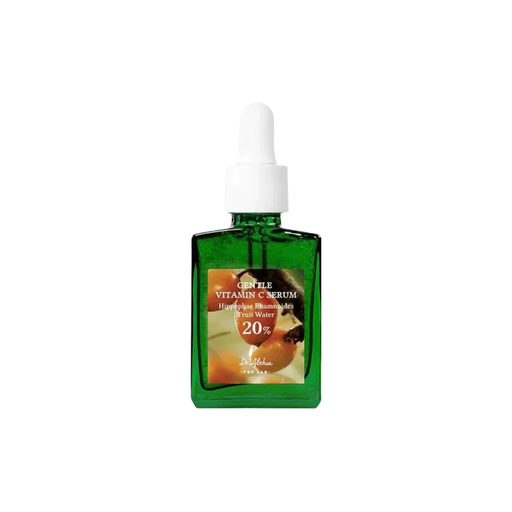
Why this product suits the profile: The product description mentions a lightweight, hydrating formulation for those who want to introduce vitamin C into their routine carefully.
According to the INCI list, it uses 3-O-ethyl ascorbic acid rather than a stated amount of pure ascorbic acid. Artificial colourants and fragrances are not mentioned in the product description.
20% sea buckthorn fruit water, niacinamide, vitamin C derivative and allantoin according to the product details; 30ml content.
We have put together a complete, regularly updated list of products that fully meet these strict selection criteria and the safety regulations in force in the EU.
With a serum for acne scars, it should be kept in mind that visible skin changes can have different causes. Cosmetic skincare can help improve the appearance, but it does not replace dermatological advice for pronounced or persistent concerns.
That depends on the active ingredient, skin type and your starting situation. A daily routine over several weeks is more common than short-term use. The instructions on the packaging and product page take priority. With vitamin C products, you should also pay attention to colour, smell and storage.
A combination can generally occur in one routine. For sensitive skin, however, it is sensible to introduce one product alone first. If several new active ingredients are used at the same time, it is harder to identify a possible intolerance.
For sensitive skin, fragrance-free or low-irritant products with a lightweight texture are often a practical starting point. For blemish-prone skin, gel textures and targeted applications can be useful. Before buying, always check the current INCI list and the warnings on the packaging.