
Lieferung heute & morgen

Qualitätsgarantie

Willkommens-Angebote freischalten: KOSTENLOSE Lieferung | Bis zu 80 % RABATT | Kostenlose 30-Tage-JoyPlus-Testphase
App herunterladen
A serum for dark spots is designed to even out your skin tone and brighten dull-looking skin. But with so many options available – anti-pigment serum, brightening serum, niacinamide serum, tranexamic acid serum or vitamin C serum – they all differ in ingredients, concentration, texture and how you use them.
If you only focus on terms like “glow” or “whitening”, you can easily miss the important details. What really matters is a clear INCI list, a formulation that suits your skin type, and consistent UV protection during the day.
A radiant complexion on the packaging doesn’t tell you much about the actual formulation. So always check whether key ingredients like niacinamide, tranexamic acid, vitamin C derivatives or glutathione appear on the INCI list. Their position in the list can give you a rough idea of the concentration, but it doesn’t replace full product information.
When it comes to brand claims, a neutral assessment is important. According to the product description of the Medicube Age-R Glutathione Glow Serum, the formula contains 500 ppm glutathione, niacinamide, panthenol, ceramide NP and several forms of hyaluronic acid.
A serum for hyperpigmentation doesn’t have to be aggressive by default. Fragrance, essential oils, alcohol or using several active products at once can cause reactions in sensitive skin. Even a high-strength retinal product shouldn’t be introduced into your daily routine without a gradual adjustment period.
A patch test on a small area of skin can be a good idea before first use. If you experience stinging, persistent redness or itching, stop using the product.
Dark spots can become more visible with UV exposure. A brightening serum is therefore not a substitute for a daytime moisturiser with adequate sun protection. For your morning routine, we recommend: cleanse, apply serum, moisturise, then finish with sunscreen. This applies even when using a serum for an even complexion with vitamin C derivatives or tranexamic acid.
A lightweight, fast-absorbing texture is usually easier to layer under moisturiser and sunscreen. Look for descriptions like “non-greasy”, “lightweight” or “suitable for daily use”. For dry skin, ingredients like glycerin, panthenol, squalane, ceramides and hyaluronic acid can be a helpful addition.
Formulations that are sensitive to light and oxidation need appropriate packaging and storage. This is especially true for vitamin C products – keep the bottle closed after use and store it away from direct sunlight. For all products, the printed expiry date, batch number and PAO symbol are your guides. Because formulations can change, the INCI list on the actual packaging is the one that counts.
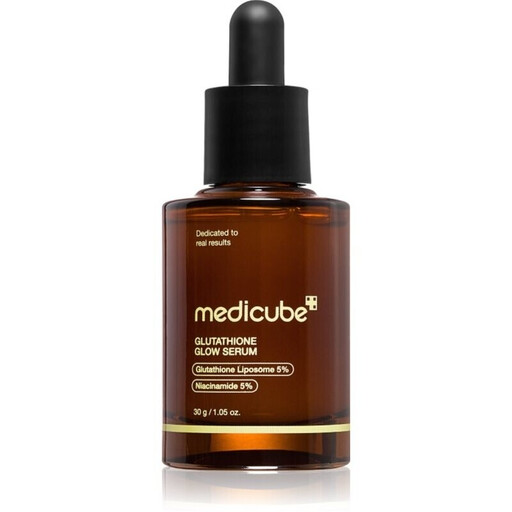
Why this product fits the profile: The lightweight texture and combination of niacinamide, glutathione, panthenol, ceramide NP and hyaluronic acid make it ideal for a straightforward daily routine.
The product description lists specific accompanying ingredients and 500 ppm glutathione, rather than relying solely on a vague glow promise.
Lightweight consistency; niacinamide, panthenol, ceramide NP and several forms of hyaluronic acid.
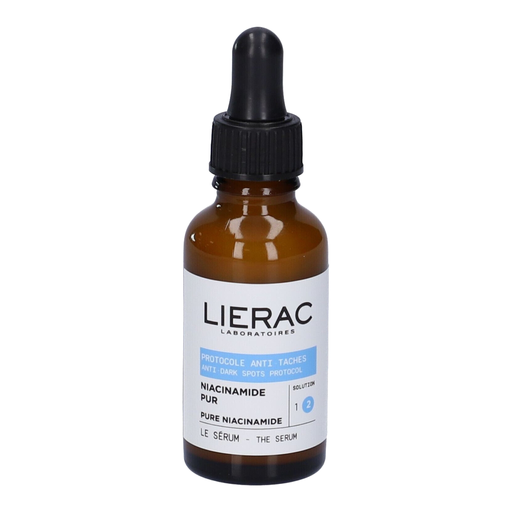
Why this product fits the profile: According to the product description, the formulation combines niacinamide, a vitamin C derivative and squalane in a fast-absorbing texture.
The INCI list clearly shows the key ingredients. However, note that it contains fragrance, which may be relevant for very sensitive or fragrance-sensitive skin.
Niacinamide and ascorbyl glucoside; vegan product claim and liquid consistency.
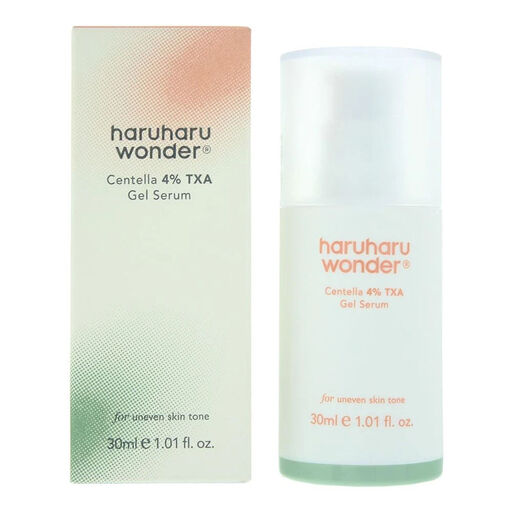
Why this product fits the profile: Ideal for anyone looking to incorporate a targeted tranexamic acid serum from Korean skincare into their routine.
The stated concentration of 4% tranexamic acid makes the choice more transparent than a simple label like “Dark Spot”.
4% TXA according to product claim; centella asiatica and a lightweight, non-greasy texture.
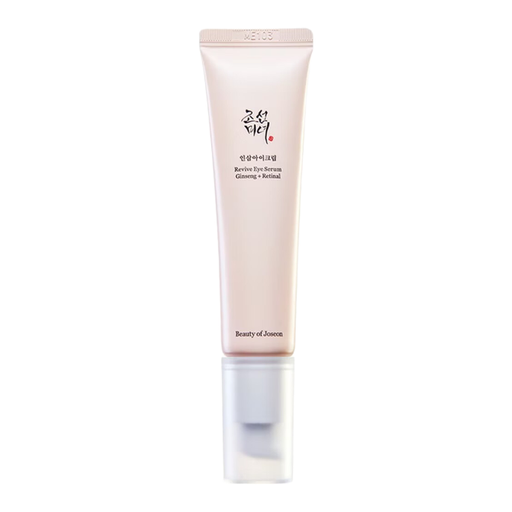
Why this product fits the profile: A good option for anyone looking for a targeted eye treatment for fine lines alongside a serum for dark spots.
This product is clearly labelled as an eye serum and should not be confused with a full-face serum. Retinal requires careful introduction into your routine.
Ginseng, niacinamide, retinal, ceramide NP and sodium hyaluronate according to the INCI list.
For the eye area: apply an eye serum for dark circles with gentle pressure, avoiding any tugging. Retinal or bakuchiol products should be used according to the manufacturer’s instructions. If you are pregnant, breastfeeding or undergoing medical treatment, it’s a good idea to consult a healthcare professional before using vitamin A derivatives.
It depends on the formulation. Many products are designed for morning and/or evening use according to the manufacturer. For sensitive skin, a slow start is recommended – for example, every other evening. Always follow the instructions on the packaging and product page.
Both options take different formulation approaches. Niacinamide is often combined with barrier-supporting and moisturising ingredients, while tranexamic acid is used more specifically in products for uneven skin tone. Your choice should be based on your skin’s tolerance, the concentration and the rest of your routine.
Check the PAO symbol and the expiry date on the packaging. Products with sensitive active ingredients should be stored closed, in a dry place and away from direct light. If the smell, colour or consistency changes noticeably, stop using the product.