
Lieferung heute & morgen

Qualitätsgarantie

Willkommens-Angebote freischalten: KOSTENLOSE Lieferung | Bis zu 80 % RABATT | Kostenlose 30-Tage-JoyPlus-Testphase
App herunterladen
Dark spots, acne scars, sun damage and an uneven skin tone are among the most common reasons for searching for a serum for dark spots. The selection ranges from vitamin C serums to niacinamide and tranexamic acid formulations, as well as creams, ampoules and face masks. What matters is not just a flashy marketing term, but the combination of ingredients, skin tolerance, application and consistent sun protection.
A high concentration sounds convincing at first. However, it tells you little about whether the formulation suits your own skin. With vitamin C, for example, what matters is whether it contains pure ascorbic acid or a more stable derivative. The product texture, pH level and other components also affect how suitable it is for daily use.
A vitamin C serum can contain vitamin Cg, 3-O-ethyl ascorbic acid or pure ascorbic acid, depending on the formula. These substances are not identical. If you have sensitive skin, start with a small amount and infrequent application.
Cosmetic products can care for and visually even out the appearance of an uneven skin tone. However, you cannot infer a guaranteed removal of dark spots from this. Formulations with niacinamide, alpha-arbutin, tranexamic acid or thiamidol differ in concentration, product type and tolerance.
For new, changing or unusual skin changes, it is advisable to seek a dermatological assessment. A serum for acne scars is also not automatically suitable for active breakouts.
UV radiation can encourage the formation or darkening of visible spots. For this reason, a brightening facial care routine in the morning should be combined with a suitable sun protection for dark spots. A product with SPF does not automatically replace a sufficient, evenly applied sunscreen.
The INCI list provides a more objective guide than advertising claims:
The order of ingredients in the INCI list can give clues about the relative amount, but it does not allow a reliable statement about the actual effectiveness in your individual case.
For dry skin, glycerin, betaine, hyaluronic acid, panthenol or ceramides are interesting as supplementary moisturisers. For sensitive skin, fragrances, essential oils, alcohol or several active acids can limit your choices. For skin prone to blemishes, lightweight gel textures are often more practical than rich, heavily occlusive formulations.
A patch test on a small area of skin can help you assess your personal tolerance. If you experience burning, redness, swelling or itching, stop using the product.
A serum is usually applied after cleansing and before moisturiser. Combining several strong active products at the same time does not automatically increase the benefit and can stress the skin. For pure ascorbic acid, light- and air-protected packaging is particularly important. If the colour, smell or consistency changes noticeably, stop using it and check the packaging information.
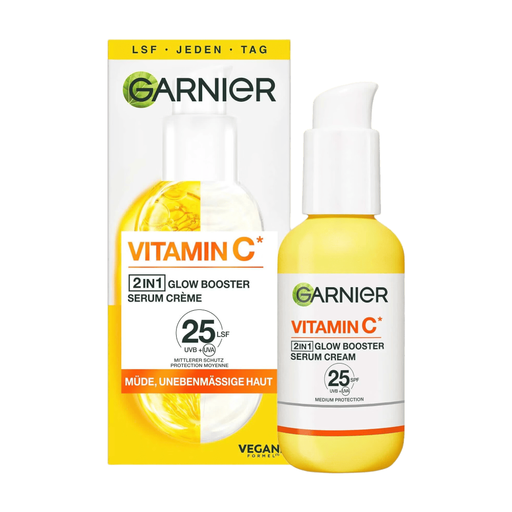
Why this product fits the profile: Serum and daily moisturiser are combined in one 50 ml cream. This can simplify the routine for those who are initially looking for a straightforward brightening facial care product.
The product description lists a vitamin C derivative, moisturisers and medium UV protection. This makes the key product features clearer to assess than a vague "glow" promise.
Contains ascorbyl glucoside, glycerin, sodium hyaluronate and UV filters. The texture combines several skincare steps.
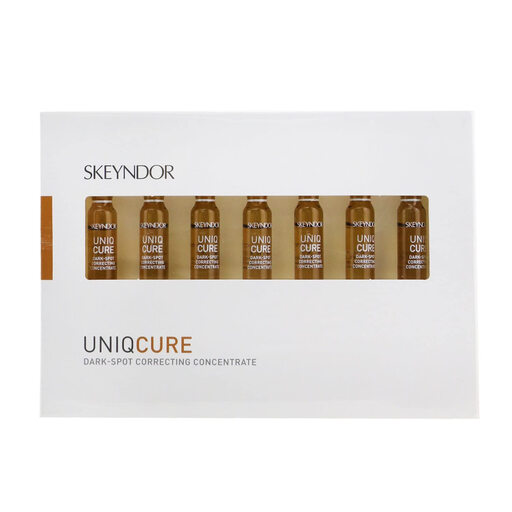
Why this product fits the profile: The compact concentrate set is aimed at buyers who prefer targeted care for individual areas and a clearly defined INCI list.
The product information lists specific ingredients such as 3-O-ethyl ascorbic acid, niacinamide, glycerin and betaine. Fragrance is also listed and can be taken into account for sensitive skin.
Compact 14 ml set with vitamin C derivative, niacinamide and humectants for targeted application.
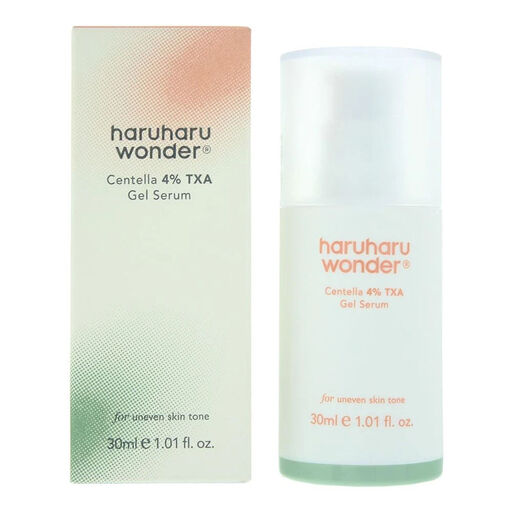
Why this product fits the profile: According to the product information, this serum combines 4% tranexamic acid with centella asiatica extract and is suitable for a targeted routine for visible discolouration.
The concentration of the advertised active ingredient is specifically stated. The lightweight serum texture can be applied precisely; additional sun protection is still needed during the day.
4% tranexamic acid, centella asiatica extract and a lightweight, fast-absorbing product description.
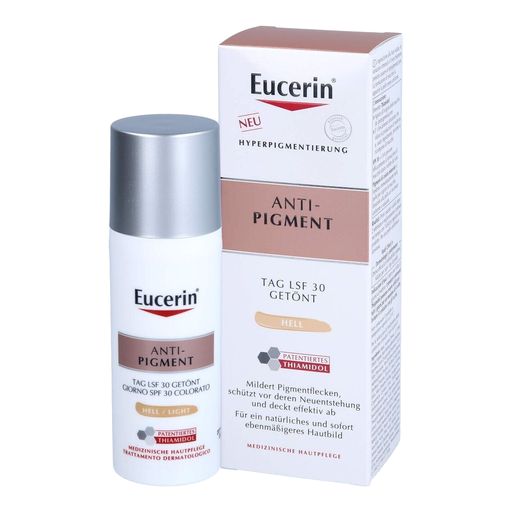
Why this product fits the profile: This tinted daily moisturiser combines thiamidol, SPF 30 and mineral colour pigments. It suits those looking for care, UV protection and an immediate tint in one step.
The product data explicitly lists the SPF, tint, thiamidol as well as alcohol and perfume. This allows UV protection and potential intolerances to be realistically assessed.
SPF 30, mineral colour pigments and a fast-absorbing, tinted daily moisturiser in 40 ml.
Cosmetic care usually requires regular application over several weeks before you can assess the condition of your skin. The timeframe depends on the product, skin condition, starting point and UV exposure. If you switch between several products at the same time, it becomes harder to assess tolerance and the individual effect.
Both ingredients can appear in one formulation, as is the case with some products in the selection. With two separate products, a gradual introduction is advisable. For sensitive skin, you should initially use only one active product. The manufacturer's instructions and the current INCI list on the packaging take priority.
A serum alone does not provide reliable protection against UV radiation. If you want to treat hyperpigmentation or care for the appearance of dark spots, you should also use a suitable broad-spectrum sun protection during the day. For persistent or noticeable skin changes, you should seek dermatological advice.