
Lieferung heute & morgen

Qualitätsgarantie

Willkommens-Angebote freischalten: KOSTENLOSE Lieferung | Bis zu 80 % RABATT | Kostenlose 30-Tage-JoyPlus-Testphase
App herunterladen
Dark spots, acne scars and an uneven skin tone are among the most common reasons for looking for a serum for dark spots. The choice ranges from vitamin C and niacinamide serums to K-beauty serums containing tranexamic acid, alpha arbutin or soothing plant extracts. However, not every eye-catching marketing claim helps you make the right choice.
A high percentage can sound convincing at first. However, a vitamin C serum with 23% pure ascorbic acid calls for a different approach to skincare than a serum containing a more stable vitamin C derivative. On sensitive or unaccustomed skin, high concentrations may be more likely to cause tightness, redness or stinging. The concentration should therefore suit your existing skincare routine and your skin’s individual tolerance.
A brightening face serum may target dull skin, uneven pigmentation or visible post-acne marks. These are not the same goals. If your main concerns are enlarged pores and excess sebum, you should look for different ingredients than someone with dry, sensitive skin.
UV exposure can contribute to the development and intensification of visible discolouration. A serum for hyperpigmentation is therefore no substitute for sun protection. If you use a serum in the morning, include a product with suitable UV protection, such as SPF 30 or higher, in your routine. You should also avoid combining vitamin C and exfoliating acid products with several other potentially irritating active ingredients at once before checking how your skin responds.
A range of ingredient groups may be suitable for a face serum for dark spots:
A serum for acne scars may help improve the appearance of the skin, but it does not treat deeper scar structures. If skin spots persist or change, it is sensible to seek advice from a dermatologist.
A lightweight gel or ampoule texture is often more practical for oily skin or enlarged pores. Dry skin may benefit more from additional humectants such as glycerin, panthenol, squalane or hyaluronic acid. If you have sensitive skin, pay particular attention to fragrance, essential oils and very long lists of active acids.
The term serum for sensitive skin is not a consistent legal quality standard. What matters is the specific INCI list, the directions for use and a patch test on a small area of skin.
Vitamin C can be affected by light and air. A tightly sealed, light-protective container and following the storage instructions are therefore practical points to consider when choosing a product. For every product, also check the best-before date, batch number and Period After Opening (PAO) on the packaging. Formulas can change, so the current ingredient list on the original product is the one to rely on.
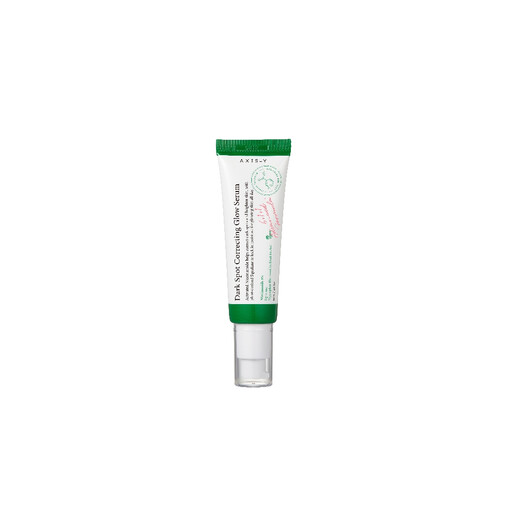
Why this product suits this profile: Its lightweight gel texture and 5% niacinamide make it a good fit for a straightforward daily routine to tackle uneven skin tone and visible post-acne marks.
The stated niacinamide concentration makes the formula easier to assess than vague claims such as “glow complex”.
5% niacinamide, squalane and hyaluronic acid; designed for use all over the face or as a targeted treatment.
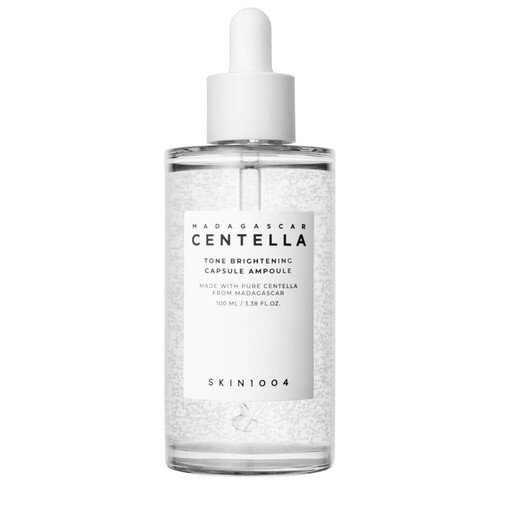
Why this product suits this profile: The 100 ml ampoule is a good option if you want to make a lightweight serum a regular part of your morning and evening routine.
Niacinamide and tranexamic acid are clearly listed in the INCI list, so the formula does not rely solely on a general “glow” claim.
77% Centella Asiatica extract, 4% niacinamide, tranexamic acid and a fast-absorbing capsule ampoule texture.
We’ve put together a complete, regularly updated list of products that meet these strict selection criteria and fully comply with the safety regulations in force in the EU.
It is not possible to reliably guarantee how long it will take for everyone to see a change in uneven skin tone. Consistent use, UV protection and a routine designed to minimise irritation matter more than frequently switching products.
A lower concentration of active ingredients or a stabilised vitamin C derivative may be easier for beginners to introduce into their routine. Niacinamide formulas with additional soothing ingredients are another option. Check how your skin responds with a patch test.
Both ingredients can be part of the same skincare routine. If you have sensitive skin, it makes sense to introduce just one product first and wait to see how your skin responds. If you use several active products, adjust how often you apply them and the order you use them in to suit your skin.
Follow the best-before date and the PAO symbol printed on the packaging. With vitamin C products, also look out for changes in colour, smell or consistency, and protect the product from light and heat as directed on the packaging.