
Lieferung heute & morgen

Qualitätsgarantie

Willkommens-Angebote freischalten: KOSTENLOSE Lieferung | Bis zu 80 % RABATT | Kostenlose 30-Tage-JoyPlus-Testphase
App herunterladen
Dark spots, acne scars and an uneven complexion don’t always stem from the same cause. Accordingly, brightening facial serums differ significantly in their active ingredients, texture and application. A serum for dark spots should therefore not be chosen based solely on advertising claims or eye-catching packaging.
Labels like “High Strength” or “Glow” tell you little about whether a product suits your skin. A niacinamide serum with 4 or 5 percent can fit into a daily skincare routine quite differently from a product containing fruit acids or retinoids. What really matters is the overall formulation, your skin’s tolerance and how often you plan to use it.
Sunlight can influence how visible dark spots become. If you use a vitamin C serum, alpha-arbutin serum or tranexamic acid serum in the morning, you should also incorporate a day cream or sunscreen with an appropriate SPF. A serum alone is no substitute for UV protection.
A serum for dark spots is often combined with exfoliants, retinol and other active products. On sensitive or dry skin, this can lead to tightness, redness or stinging. This is especially true for AHA, BHA, PHA and retinol, where a gradual introduction is advisable. Always follow the product information on the packaging.
If you are prone to blemishes, pay attention to the complete ingredient list rather than just one advertised active ingredient. Fragrances, essential oils, alcohol or multiple acids can be relevant depending on your skin condition. If you have known sensitivities, it is advisable to do a patch test on a small area of skin. If irritation persists, stop using the product and, if necessary, seek dermatological advice.
A lightweight gel serum can be suitable for oily skin or for wearing under make-up. A richer ampoule may feel more comfortable on dry skin. Also pay attention to the fill volume, dosage recommendation and shelf life after opening. A product with 100 ml can work out differently for daily use compared to a 30 ml serum, even if the unit price appears lower.
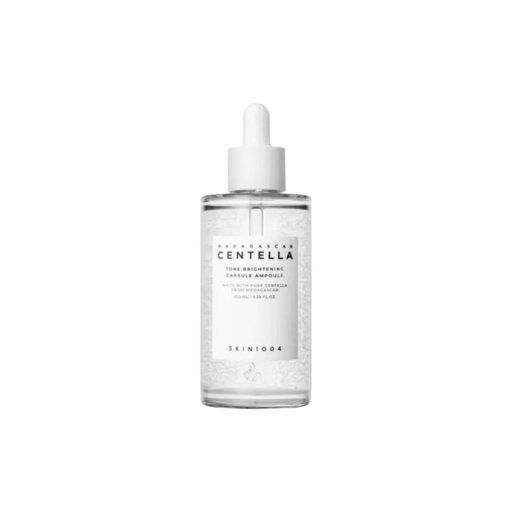
Why this product suits the profile: The 100 ml fill volume and a well-balanced combination of niacinamide, tranexamic acid and Centella asiatica make it ideal for a clearly structured daily routine.
The product description names specific ingredients and a clear application after cleansing and toner, rather than highlighting a vague “glow” effect without context.
100 ml content, 4 percent niacinamide according to the product information and Centella asiatica extract; the formula also contains madecassoside and panthenol.
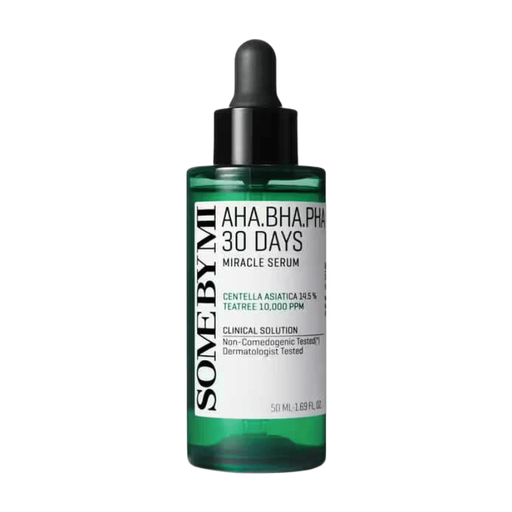
Why this product suits the profile: This Korean skincare serum is aimed at those who, alongside an uneven skin texture, are also considering a routine with AHA, BHA and PHA.
The two-phase texture must be shaken before use. The product information also explicitly mentions acids, alcohol and the need for UV protection.
AHA, BHA and PHA, 14.5 percent Centella asiatica extract and 10,000 ppm tea tree leaf water according to the product information; special caution is required for sensitive or dry skin.
We have compiled a complete, regularly updated list of products that fully meet these strict selection criteria and the safety regulations in force in the EU.
Start with a new serum for dark spots by using it once or a few times a week, unless the product instructions specify otherwise. Apply the product after cleansing and, if you have multiple steps in your routine, wait briefly between layers. In the morning, follow with a suitable sunscreen. Acid-containing products and retinoids should not be combined in the same routine without careful consideration.
For pronounced, newly appearing or changing skin marks, cosmetics are not a substitute for medical evaluation. If skin reactions persist, stop using the product.
Cosmetic skincare usually requires a consistent routine. A reasonable period for assessment depends on the product, your skin condition and how you use it. After a few weeks, check for tolerance, skin feel and visible changes, without taking short-term advertising claims as a guarantee.
That depends on the specific ingredients. A mild vitamin C derivative can be part of a daily routine. If you also use acids or retinoids, applying them on separate days is often clearer. For sensitive skin, it is best to introduce only one active product at a time.
Price alone does not reflect the formulation or suitability. Compare fill volume, active ingredient concentration, frequency of use, shelf life after opening and the full INCI list. This way, you can choose a brightening facial serum more objectively based on your actual skincare needs.