
Lieferung heute & morgen

Qualitätsgarantie

Willkommens-Angebote freischalten: KOSTENLOSE Lieferung | Bis zu 80 % RABATT | Kostenlose 30-Tage-JoyPlus-Testphase
App herunterladen
Dark spots, acne scars and an uneven skin tone lead many people to look for a serum for dark spots. There’s plenty of choice, from vitamin C and niacinamide serums to alpha-arbutin serums, retinal formulas and Korean skincare serums. But a high percentage on the packaging alone tells you little about whether a product will suit your skin or fit into your daily routine.
As Joybuy Product Recommendation Officer, I’ll explain the key points to consider: which active ingredients are included? How should you use the product? And what should you know if your skin is sensitive or prone to blemishes?
When it comes to cosmetic active ingredients, ‘more’ doesn’t automatically mean better. A 15% niacinamide serum may appeal to some skin types, while beginners may prefer to start with a lower concentration or a more hydrating formula. Vitamin C, acids and retinal can also initially cause tightness or redness, particularly on sensitive skin.
So it’s the active ingredient, concentration, frequency of use and your skin’s individual sensitivity that matter – not just the marketing claim on the front of the packaging.
A serum for hyperpigmentation can complement your skincare routine, but it doesn’t replace sunscreen. UV exposure can affect the development or appearance of discolouration. If you use products containing vitamin C, glycolic acid, salicylic acid or retinal, broad-spectrum sun protection in the morning is especially important.
Using a brightening serum, exfoliant, retinoid and several spot treatments at the same time can put unnecessary stress on your skin. A straightforward routine makes it easier to assess how well your skin tolerates each product:
Test new products on a small area of skin first. If irritation, swelling or marked redness persists, stop using the product and seek medical advice if necessary.
Check whether the formula also contains glycerin, hyaluronic acid, panthenol, squalane or ceramides. These ingredients can help make a formula more hydrating and caring for the skin. If you have sensitive skin, it’s also worth checking for fragrances, essential oils and exfoliating acids.
A good facial serum for dark spots should be easy to fit into your routine. Look for:
Cosmetic products sold in the EU must meet the requirements of the Regulation (EC) No 1223/2009 on cosmetic products, among others. The current ingredients list on the packaging remains the definitive reference, however, as formulas can change.
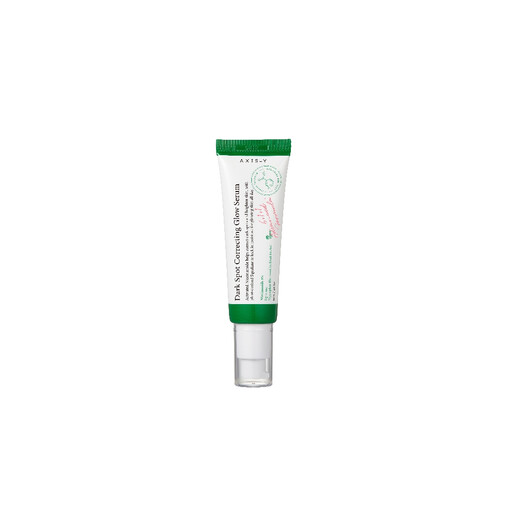
Why it suits this profile: Its lightweight gel texture and 5% niacinamide make it a straightforward option for anyone looking to add a serum for a more even-looking complexion to their daily routine.
The stated niacinamide concentration and clear directions make it easier to assess than products with vague information about their active ingredients.
5% niacinamide, squalane and plant extracts; according to the product description, it can be used all over the face or applied to specific areas.
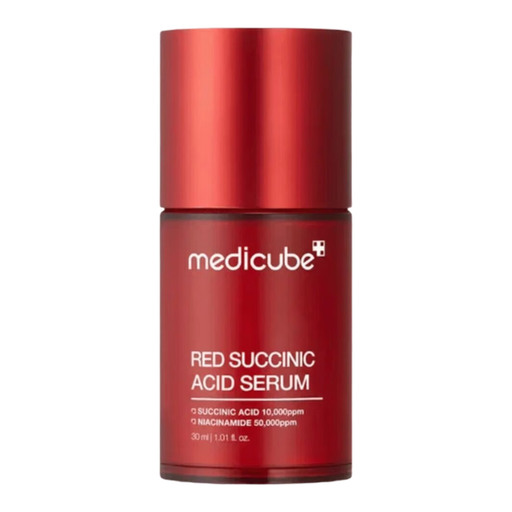
Why it suits this profile: This combination may suit anyone who wants to address dark spots while also taking oily, blemish-prone skin into account.
The product description lists 5% niacinamide, 1% succinic acid and 0.2% salicylic acid. Its active focus is clear, but it’s still best to introduce it gradually.
Panthenol, beta-glucan and ceramide NP are also listed. Take particular care to follow the directions for use, as the formula contains salicylic acid.
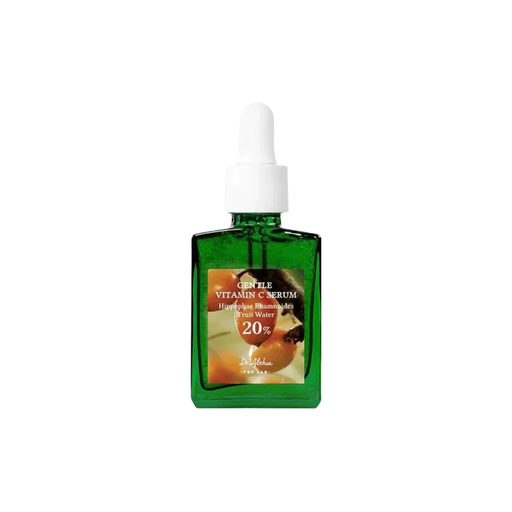
Why it suits this profile: The product description presents this as a lightweight, hydrating vitamin C formula containing 20% sea buckthorn fruit water.
The formula uses a vitamin C derivative and is easy to apply – just 2–3 drops. A patch test is still recommended.
3-O-ethyl ascorbic acid, niacinamide, allantoin and bifida ferment; described as having a lightweight, non-greasy texture.
We’ve put together a complete, regularly updated list of products that meet these strict selection criteria and the applicable EU safety requirements.
If your product contains acids or retinal, start by using it two or three times a week. For a gently formulated niacinamide serum or vitamin C derivative, you can adjust how often you use it in line with the manufacturer’s instructions. Apply a few drops to cleansed skin first, then follow with a moisturiser.
When using a serum for acne scars, it’s helpful to distinguish between active breakouts and discolouration left behind by healed spots. Don’t apply an active serum to open wounds, broken skin or skin that’s severely irritated.
You can’t reliably assess cosmetic results in just a few days. Consistent use over several weeks is more typical, although your skin type, starting point and daily sun protection all play a part. Follow the instructions provided by the manufacturer.
It depends on the specific formulas and how well your skin tolerates them. If you use several active products, introduce them one at a time. If you experience redness, stinging or tightness, it’s a good idea to take a break.
Price depends on factors such as the amount of product, concentration of active ingredients, packaging and brand. Don’t compare the price per bottle alone: also check the volume in millilitres, recommended dose and how long the product lasts after opening.