
Lieferung heute & morgen

Qualitätsgarantie

Willkommens-Angebote freischalten: KOSTENLOSE Lieferung | Bis zu 80 % RABATT | Kostenlose 30-Tage-JoyPlus-Testphase
App herunterladen
Dark spots after breakouts, a dull complexion, or an uneven skin tone often lead people to search for a serum for hyperpigmentation. The choice is vast: niacinamide, alpha-arbutin, vitamin C, tranexamic acid, and various plant extracts are all linked to a more even skin appearance. However, what matters is not just a flashy ingredient name on the front of the packaging.
As a Joybuy Product Recommendation Officer, I categorise product information according to clear, understandable criteria. This helps you avoid common buying mistakes, without confusing cosmetic promises with medical claims.
A niacinamide serum with 15 or 20 percent might sound particularly concentrated at first. For sensitive or blemish-prone skin, however, a high concentration of active ingredients can be less comfortable. Skin tolerance also depends on the overall formulation, how often you use it, and how you combine it with other active products.
A lower concentration is not automatically unsuitable. When choosing a face serum for an even skin tone, you should therefore weigh the full INCI list and usage instructions more heavily than a single percentage figure.
Terms like Brightening Serum, "Glow", or "Dark Spot Correcting" usually describe the cosmetic focus of a product. They are not a guarantee that every form of hyperpigmentation will disappear. Visible changes can depend on your skin type, the cause of the spots, UV exposure, and regular application.
A serum for pigment spots also does not replace daily UV protection. Without suitable sun protection, discolouration can worsen due to UV radiation.
A Korean skincare serum may have a light, pleasant texture, but it is not automatically suitable for every skin type. Fragrances, essential oils, high concentrations of active ingredients, or an unfamiliar tingling sensation can be problematic for sensitive skin.
Before applying it to a large area, it is advisable to do a patch test on a small area of skin. If you experience burning, a rash, or persistent redness, wash the product off and stop using it.
For a serum for hyperpigmentation, the following ingredients are particularly relevant:
The INCI list on the packaging is definitive, as formulations can change. For specific skin conditions or sudden pigment changes, it is advisable to consult a dermatologist.
For a serum for sensitive skin, the formulation should be checked as thoroughly as possible. Look for the term "fragrance-free" or check the INCI list for "Parfum/Fragrance". According to the product description, the α-Arbutin 2 Pigment Care Serum is stated to be fragrance-free. The Anua Peach Serum, on the other hand, lists fragrance in one product variant.
Texture also matters: a fast-absorbing, non-sticky serum is usually easier to layer under moisturiser and sunscreen. Richer formulations can be suitable for dry skin, while lightweight ampoules are often preferred by those with oily or blemish-prone skin.
A serum is typically applied after cleansing and, if used, after a toner. Two to three drops are often enough for the face; the exact dosage depends on the product instructions. In the morning, follow with sunscreen; in the evening, follow with a moisturiser.
Avoid introducing several highly active products at the same time. This is especially important with a product containing retinol, acids, or a high concentration of niacinamide; a gradual introduction is advisable.
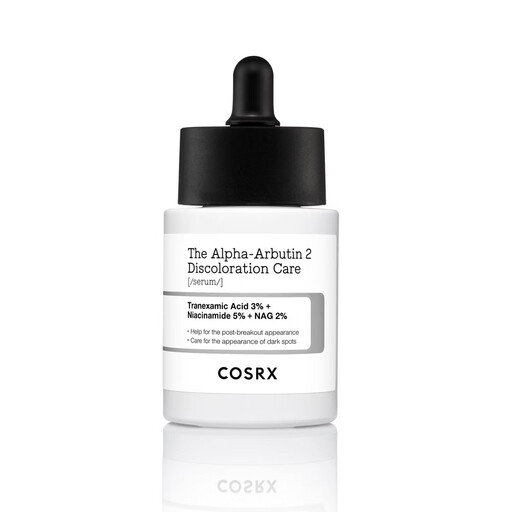
Why this product fits the profile: The straightforward formulation lists 2% alpha-arbutin, along with niacinamide, tranexamic acid, panthenol, and five forms of hyaluronic acid. The 50ml size is suitable for a regular skincare routine.
The specific mention of 2% alpha-arbutin makes it easier to compare with products that only make general "brightening" claims. According to the product description, the formula is fragrance-free.
50ml content, lightweight texture, and humectants like hyaluronic acid and panthenol.
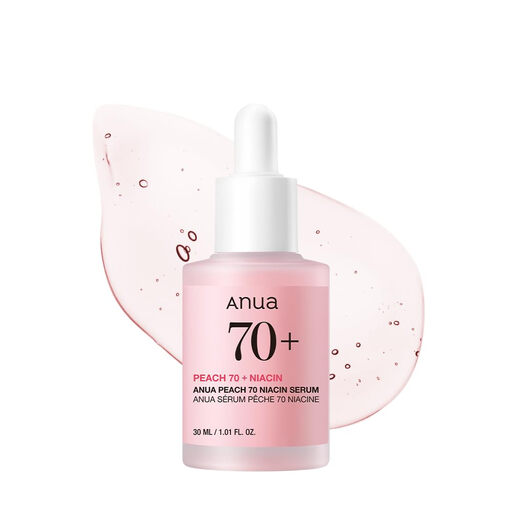
Why this product fits the profile: The formulation lists 5% niacinamide, 70% fermented peach extract, alpha-arbutin, and several forms of hyaluronic acid. It is aimed at those looking for a serum for dark spots that also provides hydration and a smooth texture.
The niacinamide concentration is clearly stated. However, before purchasing, note that product information may mention a natural peach note or fragrance.
5% niacinamide, alpha-arbutin, and three types of hyaluronic acid according to the stated INCI list.
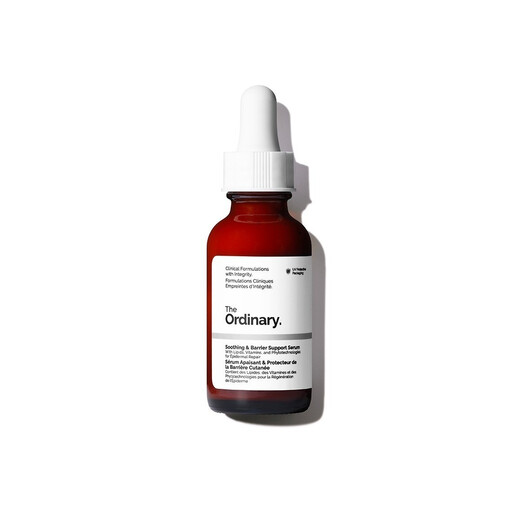
Why this product fits the profile: The formulation is focused on hydration and supporting the skin barrier. It may be of interest to those looking for a serum for sensitive skin who do not want to rely solely on brightening ingredients.
The focus is not on flashy brightening claims, but on a clear combination of niacinamide, bisabolol, lipids, and ceramide-like components.
Hydrating and soothing ingredients; according to product information, suitable for all skin types.
Apply the serum to cleansed skin and finish your routine with a moisturiser. In the morning, a broad-spectrum sunscreen is an essential part of your routine. After opening, store the product tightly closed, in a dry place away from direct sunlight. The expiry date and the symbol for the period after opening (PAO) are on the packaging.
Cosmetic skincare requires regular use. You should not expect an immediate change. If you experience strong reactions, open wounds, or unclear pigment changes, stop using the product and seek medical advice if necessary.
A fragrance-free, simply formulated product with a moderate concentration of active ingredients can be a good starting point. A patch test and slow introduction are advisable. The label of the specific product remains definitive.
Many routines combine these ingredients. However, if you have sensitive skin, introduce new products one at a time so that any reactions can be better identified. With a vitamin C serum, also pay attention to the specific form of vitamin C and how it is stored.
This depends on the specific formulation and packaging. The PAO symbol, the best-before date, and the manufacturer's instructions are decisive. A change in colour, an unusual smell, or a significantly altered consistency are signs that you should stop using the product.