
Lieferung heute & morgen

Qualitätsgarantie

Willkommens-Angebote freischalten: KOSTENLOSE Lieferung | Bis zu 80 % RABATT | Kostenlose 30-Tage-JoyPlus-Testphase
App herunterladen
Fine lines, dry skin, dark circles or morning puffiness: the eye area often reacts to skincare mistakes sooner than other areas of the face. An eye serum can be added to your skincare routine to target specific concerns, but you shouldn’t choose one based solely on eye-catching marketing claims.
Terms such as ‘anti-ageing’, ‘lifting’ or ‘firming’ describe how a product is positioned, not a guaranteed effect. What matters is the full INCI list. An eye serum for wrinkles, for example, may contain retinol, retinal, peptides, niacinamide or hydrating ingredients. However, these ingredients serve different skincare purposes.
Sensitive, dry or eczema-prone skin may react to fragrance, alcohol, essential oils or potent active ingredients. So a product marketed as gentle won’t necessarily suit everyone. Check the INCI list, and if you have sensitive skin, start by testing the product on a small area of skin.
You only need a small amount for the eye area. If you apply serum too close to the lash line or directly to the eye, it may get into your eye. With a retinol eye serum or a product containing retinal, it’s best to introduce it gradually. During the day, use sunscreen on the rest of your face too.
If dryness is your main concern, you could choose a hydrating eye serum containing glycerin, hyaluronic acid or urea. If you have dark circles, first consider whether they’re more likely to be caused by pigmentation, visible blood vessels, shadows or lack of sleep. An eye serum for dark circles can help care for the area, but it won’t address every cause.
For morning puffiness, lightweight textures and a cooling applicator can be useful. However, an eye serum for puffiness is no substitute for medical advice if the swelling is persistent, affects one side only or comes with other symptoms.
For eye care for sensitive skin, fragrance-free formulas are often easier to assess. Also look out for alcohol near the top of the INCI list and known allergens such as limonene, geraniol or essential oils. This doesn’t automatically mean a product will cause a reaction; your individual response is what matters.
A pump dispenser or roll-on can make it easier to control how much you use. If the product has a metal applicator, keep the tip clean. Also compare the product sizes: a 7 ml product and a 50 ml product aren’t directly comparable just because their outer packaging looks similar. Always follow the best-before date, batch number and information on the original packaging, as INCI lists can change.
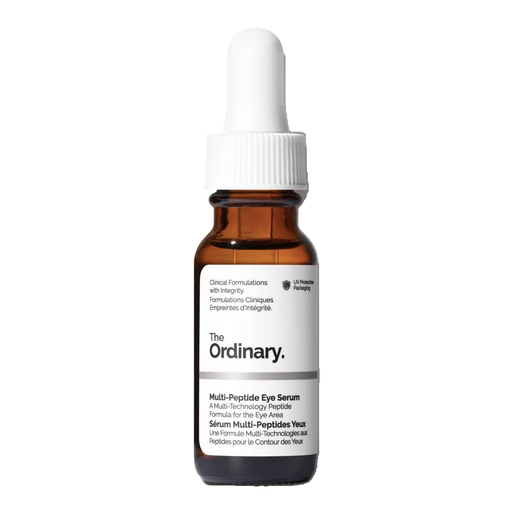
Why this product suits this profile: This water-based formula contains several peptides, niacinamide, caffeine and glycerin. It’s easy to fit into an existing routine, with use in the morning and evening.
The INCI list clearly identifies the key groups of active ingredients. It contains no retinol, so you avoid the common beginner’s mistake of introducing vitamin A too quickly.
Peptide and caffeine formula, 15 ml size, and guidance to patch test first.
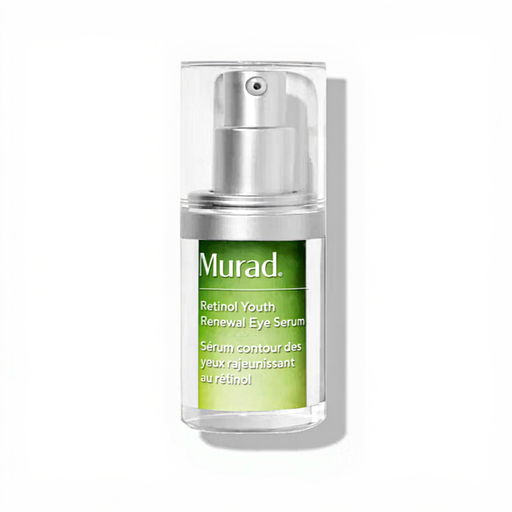
Why this product suits this profile: According to the product description, the serum combines retinol, retinyl propionate and a retinol booster. It’s designed for people looking to target fine lines and loss of elasticity with their eye care.
The product is specifically intended for evening use. Guidance to introduce it gradually if irritation occurs, alongside the advice to use sunscreen, helps reduce the risks of unconsidered daily use.
Several vitamin A derivatives, glycerin and urea; 15 ml size; clear directions and warnings for use.
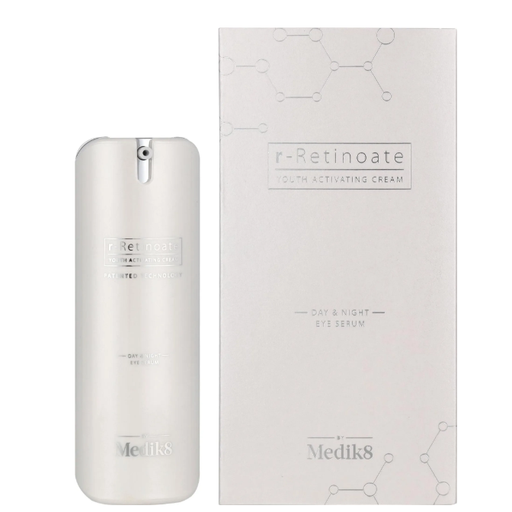
Why this product suits this profile: Its stated 50 ml size suits people who want to use a product regularly in the morning and evening. Ingredients include hyaluronic acid, squalane, caffeine and retinyl retinoate.
The product information recommends use both day and night and advises avoiding direct contact with the eyes. This makes it easier to stick to a consistent routine rather than varying the amount you use.
50 ml size, hyaluronic acid and squalane; according to the product information, it’s suitable for different skin types.
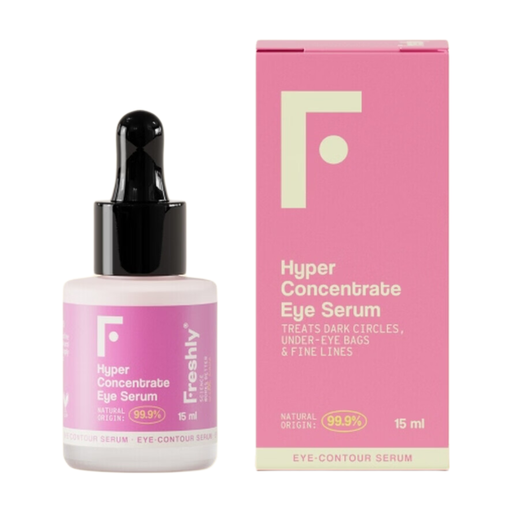
Why this product suits this profile: According to the product description, the formula is 99.9% of natural origin, fragrance-free, silicone-free and contains no retinoids. It’s a good fit for people who prefer a gentle skincare formula.
Avoiding retinoids and fragrance helps sidestep two common concerns when choosing products for sensitive skin. Even so, it’s still worth doing an individual patch test.
Fragrance-free formula, hyaluronic acid and 15 ml size; according to the supplier, it’s designed for sensitive and atopy-prone skin.
We’ve put together a complete, regularly updated list of products that meet these strict selection criteria and fully comply with the safety regulations in force in the EU.
Apply a small amount to clean skin along the orbital bone. Don’t rub or pull at the skin. If you’re using a retinol or retinal product, start by applying it infrequently in the evening. Avoid direct contact with the eyes. Stop using the product if you experience burning, redness, itching or a rash. If the irritation persists, seek medical advice.
Store your eye serum as directed on the packaging, usually in a cool, dry place away from direct sunlight. Don’t continue using products that are past their best-before date or have noticeably changed.
After cleansing, a small amount per eye is enough. Gently spread the serum over the area along the orbital bone. Avoid the lash line and movable eyelid unless the product instructions say otherwise.
Check the period-after-opening symbol, such as ‘6M’ or ‘12M’, as well as the best-before date on the packaging. If the product’s smell, colour or consistency changes, stop using it regardless of these dates.
The price depends on factors such as the brand, product size, applicator and combination of active ingredients. Compare the price per millilitre and check that the formula suits your skincare goal. A higher price alone is no guarantee of better skin tolerance or stronger results.