
Lieferung heute & morgen

Qualitätsgarantie

Willkommens-Angebote freischalten: KOSTENLOSE Lieferung | Bis zu 80 % RABATT | Kostenlose 30-Tage-JoyPlus-Testphase
App herunterladen
Dark spots, post-acne marks and an uneven skin tone can’t be assessed on the basis of words such as “Glow” or “Brightening” alone. If you’re looking for a serum for pigmentation, it’s worth checking the ingredients, how to use it and how well your skin is likely to tolerate it. A lightweight texture may be convenient, but it doesn’t tell you whether a product is right for your skin.
Niacinamide, tranexamic acid, vitamin C derivatives and alpha-arbutin are often promoted together. What matters, though, is whether the combination suits your skincare routine. Using several active products at once can put unnecessary stress on sensitive skin. If you’re just starting out, a clearly formulated product with a few familiar active ingredients is often easier to navigate.
Skincare can help improve the appearance of an uneven skin tone. However, you can’t reliably assess whether a product has lightened pigmentation after just a few applications. Visible changes usually take a consistent routine. UV exposure and repeated skin irritation can also contribute to the development of new discolouration.
Lightweight gels and ampoules feel comfortable and layer well under face cream. Even so, fragrances, essential oils, acids or certain combinations of active ingredients can trigger reactions in some people. Before applying a product to a larger area, it’s a good idea to test it on a small patch of skin. Stop using it if you experience redness, stinging or swelling.
The following ingredients are worth considering:
Concentration alone isn’t proof of quality. The full INCI list, the texture and whether the product fits into your existing routine are just as important.
A serum should spread evenly after cleansing and, if you use one, applying toner. For everyday use, fast-absorbing, non-sticky textures are practical. If your serum contains vitamin C derivatives, acids or a combination of potent active ingredients, include a broad-spectrum sunscreen in your daytime routine.
Store formulas that are sensitive to light and air as directed by the manufacturer, and use them within the stated period after opening. Formulas can change, so always check the ingredients on the packaging. This is especially important if you have sensitive skin, known allergies or skin prone to blemishes.
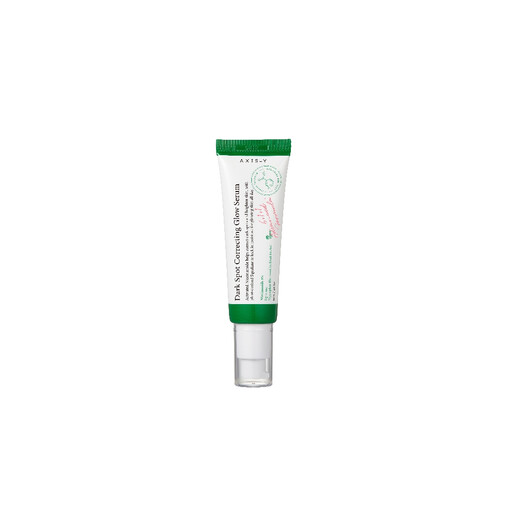
Why it suits this profile: The lightweight gel texture and 5 % niacinamide make this an appealing option if you’re looking for straightforward daily skincare for an uneven-looking complexion.
The key active ingredient and use as either an all-over face product or targeted treatment are clearly stated. This makes it easier to get started gradually, without combining several active serums.
5 % niacinamide, squalane and a lightweight, non-sticky gel texture, according to the product description.
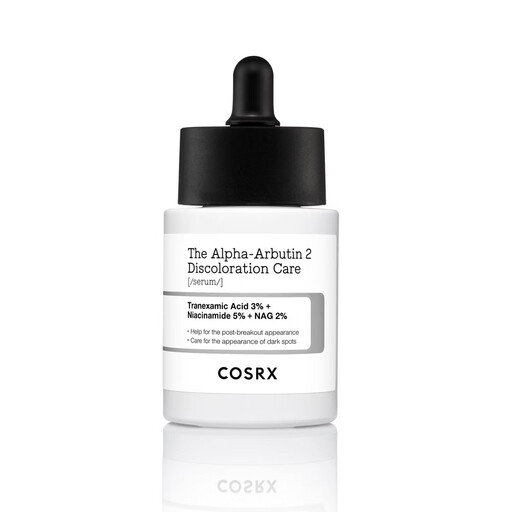
Why it suits this profile: The formula combines 2 % alpha-arbutin with tranexamic acid, niacinamide and moisturising ingredients. It’s a considered choice if you’d like to address several skincare concerns with one serum.
The key active ingredients are listed in the product description. It’s also described as fragrance-free with a lightweight texture, which may make it easier to choose if you have sensitive skin.
2 % alpha-arbutin, five types of hyaluronic acid according to the product details, plus panthenol and a fast-absorbing texture.
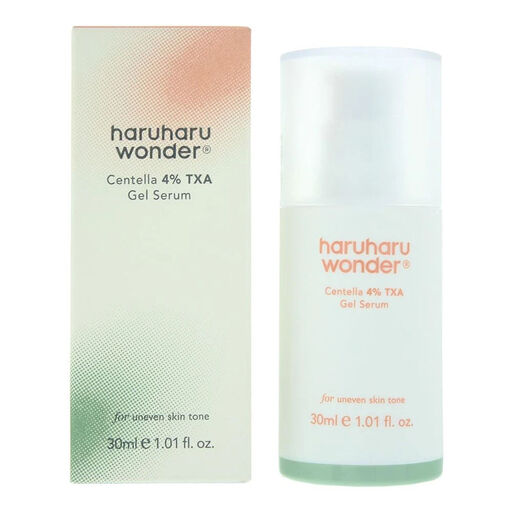
Why it suits this profile: This tranexamic acid serum is designed for anyone who prefers targeted, compact skincare for dark spots and an uneven-looking skin tone.
The stated TXA concentration and the added Centella Asiatica skincare make the formula more transparent than a product marketed simply for its “Glow”.
4 % tranexamic acid according to the product details, Centella Asiatica and a lightweight, non-greasy serum texture.
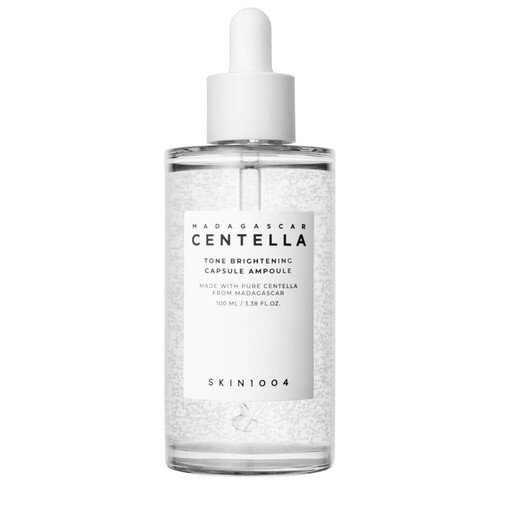
Why it suits this profile: The generous 100-ml size is a good option if you’d like to add daily all-over skincare with Centella, niacinamide and tranexamic acid to your routine.
The product description lists specific active ingredients, describes the lightweight texture and explains how to use it. This makes it easier to fit the product in with your moisturiser and sunscreen.
77 % Centella Asiatica extract according to the product details, 4 % niacinamide, tranexamic acid and a 100-ml size.
We’ve put together a complete, regularly updated list of products that meet these strict selection criteria and fully comply with the safety regulations in force in the EU.
If discolouration is persistent, changing or unusual, it’s a good idea to seek advice from a dermatologist. Skincare is not a substitute for medical diagnosis or treatment.
You can only make a fair assessment after using it regularly for several weeks. Results depend on factors such as the cause, your skin type, sun exposure and the rest of your skincare routine. Follow the manufacturer’s instructions for use and check the product’s shelf life.
It depends on the individual formulas and how well your skin tolerates them. Many products already contain both ingredients. If you combine two serums, build up your routine gradually. If you experience stinging, redness or itching, it’s a good idea to stop using them for a while.
Vitamin C comes in different forms and concentrations. Some products contain stabilised derivatives, while others use more potent formulas. A patch test, checking the full INCI list and using sunscreen consistently can help you choose with care.