
Lieferung heute & morgen

Qualitätsgarantie

Willkommens-Angebote freischalten: KOSTENLOSE Lieferung | Bis zu 80 % RABATT | Kostenlose 30-Tage-JoyPlus-Testphase
App herunterladen
Pigmentation, an uneven complexion or post-inflammatory acne scarring often prompts people to look for a serum for pigmentation. The choice ranges from vitamin C serums and niacinamide serums to formulations containing tranexamic acid or glycolic acid. However, what matters is not the most eye-catching marketing claim, but whether the active ingredient, tolerability and application suit your skin.
A high concentration may be appealing, but it is not the only measure of quality. Pure vitamin C, for example, can be more sensitive to light, air and heat. For sensitive or redness-prone skin, gradually introducing an active ingredient may be more suitable than immediately starting with a stronger formulation.
Terms such as “Brightening”, “brightening facial serum” or “serum for radiant skin” generally describe the desired appearance in the cosmetics sector. They do not automatically prove a specific effect. Persistent, changing or unclear skin patches should be assessed by a dermatologist.
UV radiation can encourage the development or visibility of uneven skin discolouration. A serum for hyperpigmentation therefore does not replace sun protection. If the product is used in the morning, it should be followed by a suitable day cream with a stated sun protection factor.
The complete INCI list on the packaging is decisive. Product descriptions may change and should be checked against the label before use.
For dry skin, humectants such as glycerin, hyaluronic acid or certain nourishing lipids are relevant. Oily and combination skin may prefer a lightweight, fast-absorbing gel or fluid texture. Fragrances, essential oils and certain plant extracts are not necessarily problematic, but they may be selection criteria for sensitive skin.
Before applying the product over a larger area for the first time, a patch test on a small area of skin is recommended. Burning, itching or persistent redness are reasons to stop using the product. Products should not be applied to open, irritated or damaged skin and should not come into contact with the eyes.
Light- and air-sensitive ingredients require well-sealed packaging and storage in accordance with the manufacturer’s instructions. A colour change in pure vitamin C may indicate oxidation; if in doubt, check the batch number, best-before date and Period-after-Opening symbol on the packaging.
Serums are generally applied after cleansing and, if appropriate, after toner. Two to three drops are often enough for the face and neck, although the exact amount depends on the product instructions. Several active products should not be combined without careful consideration.
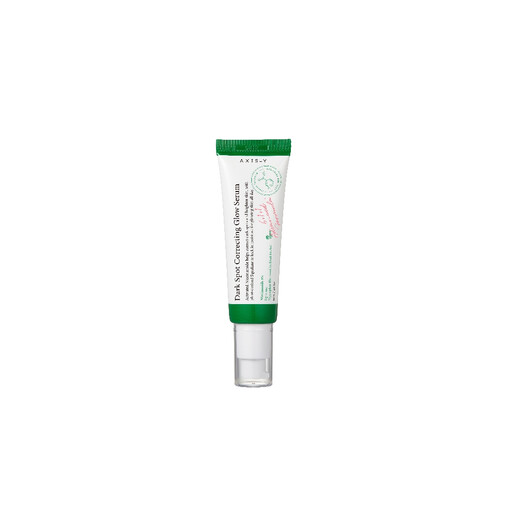
Why this product suits the profile: The gel-like texture and stated 5% niacinamide content appeal to shoppers who want to start a daily routine with a manageable selection of active ingredients.
The concentration is clearly stated; the product packaging should also be checked for fragrances and plant extracts.
5% niacinamide, squalane and a fast-absorbing gel texture according to the product description.
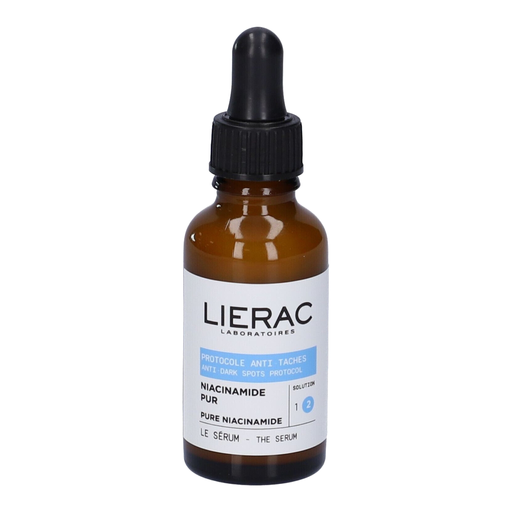
Why this product suits the profile: The combination of niacinamide, a vitamin C derivative and squalane is aimed at people who want to consider hydration as well as a more even-looking complexion.
The fluid texture and stated suitability for sensitive skin make it easier to assess; however, parfum is still listed as an ingredient.
Vegan according to the product details, at least 93% ingredients of natural origin according to the description, and a 30-ml bottle.
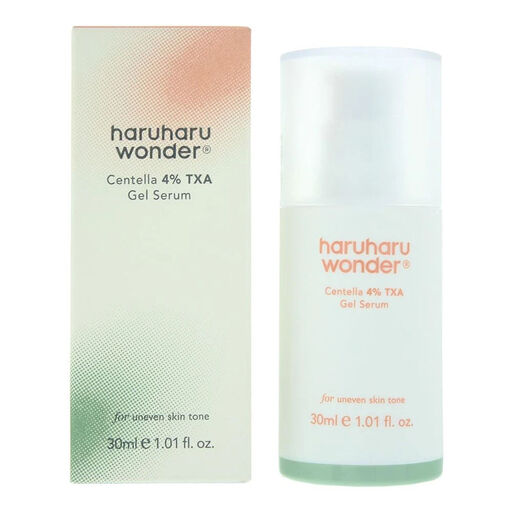
Why this product suits the profile: Shoppers specifically looking for a serum for dark spots containing tranexamic acid will find a clearly stated 4% TXA formulation with Centella Asiatica extract.
The key active ingredient is clearly stated. Even so, the current INCI list should be checked, as product information may be updated.
4% tranexamic acid, Centella Asiatica and a lightweight, non-greasy texture according to the product description.
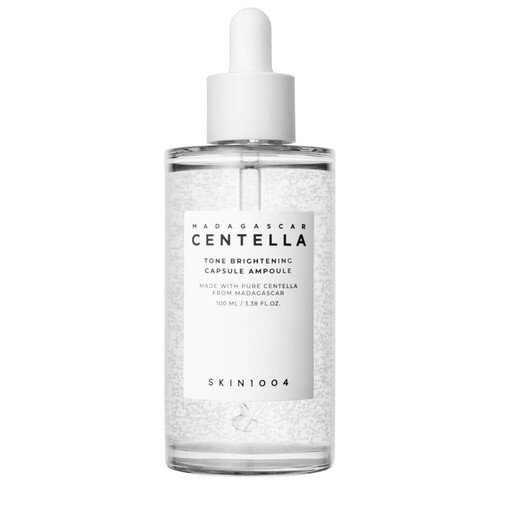
Why this product suits the profile: This ampoule combines niacinamide, tranexamic acid, Centella and hydrating ingredients in a lightweight texture for daily facial skincare.
The formula does not rely solely on one brightening active ingredient. However, fragrances, preservatives and the current packaging information should be checked before buying.
100 ml content, niacinamide and tranexamic acid, plus a fast-absorbing, non-sticky texture according to the product details.
We have put together a complete, regularly updated list of products that fully meet these strict selection criteria and the safety regulations applicable in the EU.
Start with a small amount on cleansed skin and avoid introducing new active ingredients at the same time. This makes it easier to identify which product your skin tolerates. With a vitamin C serum containing pure ascorbic acid, sun protection and cool, dry storage are particularly important. Glycolic acid products should be used according to the instructions rather than automatically every day.
In the morning, follow the serum with a moisturiser and sun protection. In the evening, apply the serum before your usual cream. Visible changes to the skin generally take time and depend, among other things, on its starting condition, UV exposure and consistency of use. Cosmetic skincare is not a substitute for medical treatment.
After cleansing and toner, apply a few drops to the face and, if appropriate, the neck. Follow with a moisturiser. When using the serum in the morning, sun protection with the sun protection factor stated on the packaging is advisable. The individual product instructions take priority.
The best-before date, batch number and PAO symbol on the packaging are decisive. After opening, the product should be used according to this information and protected from direct light and heat. Do not continue using it if it develops an unusual smell, an unexpected consistency or a noticeable change in colour.
A lower active ingredient intensity and a fragrance-free formula may make the choice easier. Niacinamide or a vitamin C derivative may also fit some people’s routines better than a strongly exfoliating acid. As every person’s skin reacts differently, a patch test is recommended before first use.