
Lieferung heute & morgen

Qualitätsgarantie

Willkommens-Angebote freischalten: KOSTENLOSE Lieferung | Bis zu 80 % RABATT | Kostenlose 30-Tage-JoyPlus-Testphase
App herunterladen
Pigmentation, acne scars and an uneven skin tone are among the most common reasons to look for a serum for pigmentation. The selection ranges from vitamin C serums and alpha-arbutin serums to tranexamic acid serums. However, a high concentration of active ingredients or a striking ‘glow’ promise alone says little about whether a product is suitable for your skin and daily routine.
The most important buying decisions are therefore not just about price. What really matters is the form of the active ingredient, skin compatibility, packaging and consistent use alongside sun protection.
A serum with a higher concentration is not automatically the better choice. Pure ascorbic acid, for example, can be more demanding to use than a stabilised vitamin C derivative. Acids and several brightening active ingredients used together in one routine can also place greater demands on sensitive skin.
More important than a single figure is the combination of active ingredient, formulation and skin compatibility. For sensitive or blemish-prone skin, a simpler serum containing niacinamide, alpha-arbutin or humectants may be more suitable than a highly concentrated product.
A serum for dark spots can be part of a skincare routine, but it does not replace UV protection. Sunlight can influence the development or visibility of discolouration. If you use a serum in the morning, you should therefore apply a broad-spectrum sunscreen with a suitable SPF afterwards.
Without this step, it is difficult to assess the routine properly, as new sun-related discolouration can alter the overall appearance.
Pure ascorbic acid is sensitive to light, air and heat. A yellowish colour may indicate oxidation, although the specific assessment depends on the product and its packaging. Products containing sensitive ingredients should be stored according to the packaging instructions and used within the stated period after opening.
A vitamin C serum can contain pure ascorbic acid or a derivative such as 3-O-Ethyl Ascorbic Acid, Ascorbyl Glucoside or Sodium Ascorbyl Phosphate. These forms differ in terms of formulation and application.
Cosmetic products can improve the appearance of the skin. They do not replace a medical diagnosis or treatment. If discolouration appears suddenly, changes over time or looks unusual, dermatological assessment is advisable.
The advertised concentration should correspond with the complete ingredients list. It is also worth checking for potential fragrances, essential oils and alcohol. Particularly if you have sensitive skin or known intolerances, check the INCI list on the product packaging, as formulations can change.
A serum for acne scars does not necessarily need to contain exfoliating acids either. For some skin types, the priority is a lightweight, low-irritation formula containing niacinamide, panthenol or hyaluronic acid.
Watery textures usually absorb quickly and are suitable for applying several skincare layers. Gel or ampoule formulations may leave the skin feeling slightly more hydrated. The following questions can help you choose:
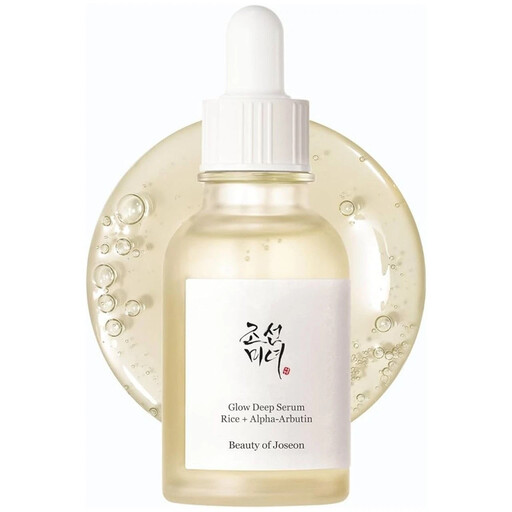
Why this product suits the profile: The 60ml size and lightweight texture are ideal for a straightforward daily routine. According to the product description, the formula contains 2% alpha-arbutin, 68.6% rice germ water, niacinamide and panthenol.
The formula focuses on a clearly identified key active ingredient and, according to the product information, is free from fragrances and essential oils.
60ml fill quantity, alpha-arbutin, niacinamide and panthenol; suitable for lightweight, buildable skincare.
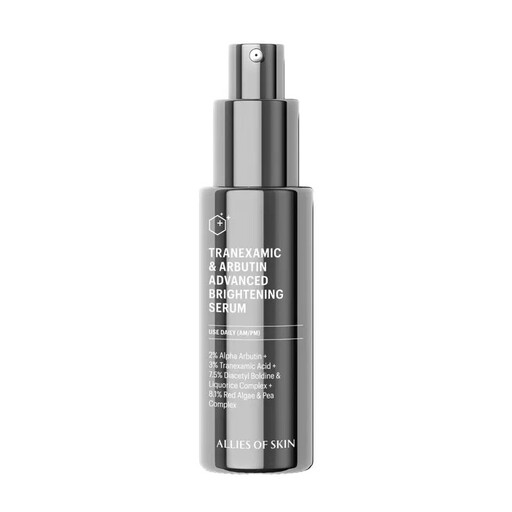
Why this product suits the profile: According to the product description, the formula combines 3% tranexamic acid, 2% alpha-arbutin and other plant-based ingredients in a fluid texture.
The relevant active ingredients and concentrations are clearly specified in the product description, rather than being promoted only with a general glow claim.
Tranexamic acid and alpha-arbutin in a 30ml formula; according to the product information, it has been ophthalmologically tested.
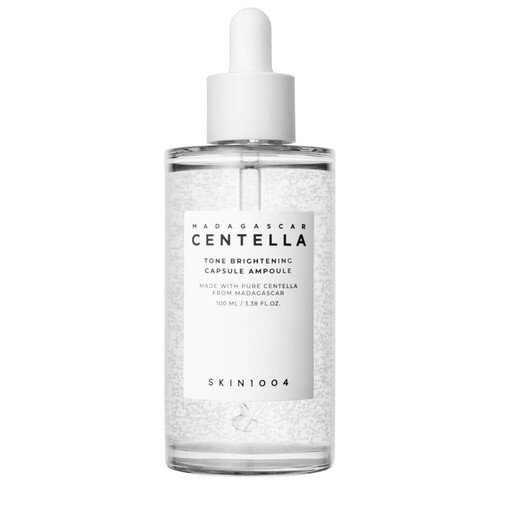
Why this product suits the profile: The large 100ml ampoule is an appealing option for anyone who wants to incorporate a brightening facial serum into their regular routine. According to the product information, it contains 4% niacinamide, tranexamic acid and Centella asiatica extract.
The formula combines several clearly named ingredients with a lightweight texture, without relying on a single high percentage of active ingredients.
100ml content, Centella asiatica extract, niacinamide and tranexamic acid; designed for daily use.
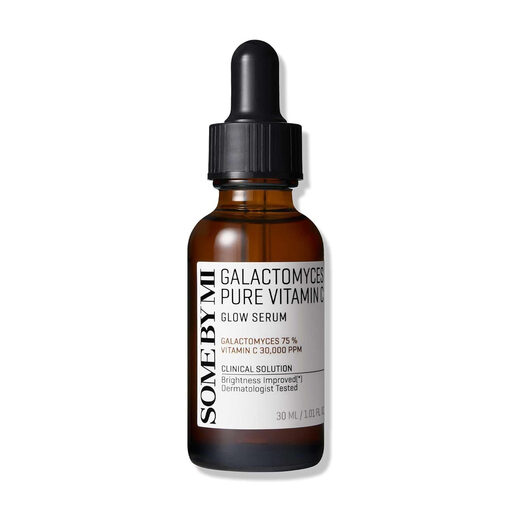
Why this product suits the profile: According to the product description, the serum contains 3% pure ascorbic acid, 75% galactomyces ferment filtrate and niacinamide. It is aimed at people who prefer a vitamin C serum with a watery texture.
The product information explicitly mentions storage, patch testing and the need for sun protection. This helps ensure that the sensitive ascorbic acid is not used carelessly.
3% pure ascorbic acid, niacinamide and a lightweight serum texture; adenosine and sodium hyaluronate are also listed.
We have put together a complete, regularly updated list of products that fully meet these strict selection criteria and the safety regulations applicable in the EU.
After cleansing and, if required, applying toner, spread two to four drops over your face and neck. Follow with moisturiser and, in the morning, sun protection. New products should first be tested on a small area of skin. If you experience burning, redness, itching or persistent irritation, discontinue use.
Do not introduce several powerful products at the same time. For example, if you combine a vitamin C serum, an exfoliant and a retinoid, introduce the products at different times and monitor how your skin reacts.
This depends on the active ingredient, the condition of your skin and your routine. Cosmetic skincare should be used regularly and in accordance with the manufacturer’s instructions. Changes should not be assessed after just a few applications. Daily sun protection remains an important part of the routine throughout.
This depends on the product. Fragrance-free formulas containing humectants such as panthenol or hyaluronic acid may feel more comfortable for some people. Even so, a patch test is recommended. Pure ascorbic acid and acids may require a more cautious introduction if you have sensitive skin.
When choosing a serum for acne scars or a serum for dark spots, the ingredients and your own skin’s tolerance should be the main priorities. Niacinamide, alpha-arbutin, tranexamic acid and vitamin C derivatives are common options. If you have inflamed skin changes or unclear spots, seek dermatological advice first.