
Lieferung heute & morgen

Qualitätsgarantie

Willkommens-Angebote freischalten: KOSTENLOSE Lieferung | Bis zu 80 % RABATT | Kostenlose 30-Tage-JoyPlus-Testphase
App herunterladen
Dark spots, acne scars and an uneven skin tone cannot always be completely avoided with facial skincare. However, a suitable serum for pigmentation can be a valuable part of a consistent skincare routine. The key is not to focus solely on terms such as “Brightening” or “Glow”, but to realistically match the ingredients, skin type and intended use.
A serum for hyperpigmentation may contain vitamin C, niacinamide, tranexamic acid, alpha-arbutin or retinal. These active ingredients take different approaches to skincare. A vitamin C serum is not automatically suitable for every sensitive skin type, while the tolerability of a niacinamide serum can vary depending on its concentration and overall formulation.
That is why you should check the INCI list, rather than looking only at the front of the product. An ingredient’s position provides a rough indication of its concentration, but it is no substitute for a complete product assessment.
UV radiation can encourage the development or visibility of discolouration. A serum alone is therefore not a substitute for a day cream with sun protection or a separate sunscreen product. If you want to treat pigmentation, apply a sunscreen for pigmentation with an adequate sun protection factor in the morning, and reapply it if you are spending longer periods outdoors.
Combining a vitamin C serum, retinal, acids and other brightening products can make your skincare routine unnecessarily complicated. If redness, stinging or itching occurs, stop using the products temporarily. It is better to introduce new products one at a time and initially use only small amounts.
For sensitive skin or skin prone to redness, fragrances, alcohol and essential oils are important points to check. This does not automatically mean that a product will be unsuitable. However, it can help you identify known personal triggers in the ingredients list. Lightweight gel textures may feel more comfortable on blemish-prone skin, while mature or dry skin may benefit from glycerin, hyaluronic acid, squalane or ceramides.
A facial serum for dark spots should fit easily into your existing routine. Lightweight textures are often suitable under a day cream, while richer ampoules are better suited to an evening routine. Vitamin C and retinal products should be stored according to the manufacturer’s instructions. With sensitive formulations, you should also pay attention to the printed expiry date.
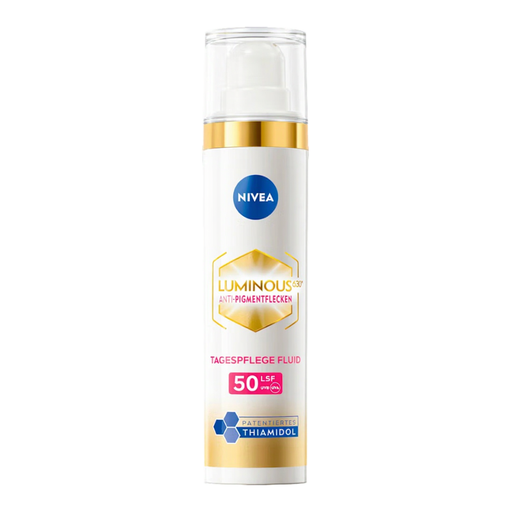
Why this product suits this profile: This fluid combines day care with SPF 50, making it suitable for people who want to keep their morning routine short. According to the product information, the formula contains LUMINOUS630, vitamin E and hyaluronic acid.
The sun protection is integrated directly into the day-care product. This makes it less likely that you will skip applying a separate SPF product as part of your morning routine.
SPF 50, a lightweight fluid texture, plus hyaluronic acid and vitamin E according to the ingredients information.
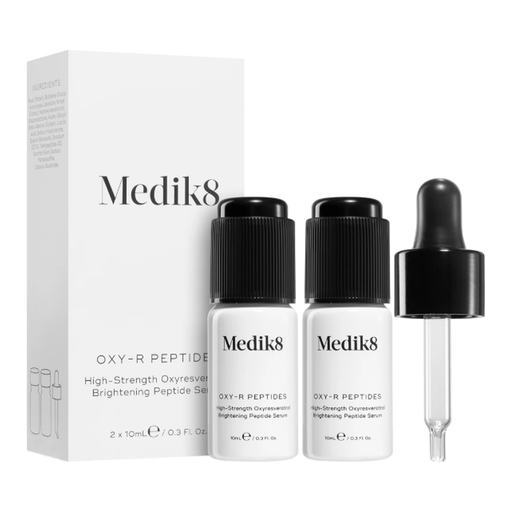
Why this product suits this profile: According to the product description, the formulation contains 1% oxyresveratrol, Tetrapeptide-30 and hyaluronic acid. The product is aimed at users who prefer targeted care for visible dark spots.
The packaging must be activated before first use. The stated period of use after opening is six weeks, which should be taken into account when planning how much product you need.
Oxyresveratrol, two peptide ingredients and hyaluronic acid according to the INCI information; alcohol-free and fragrance-free formulation according to the product description.
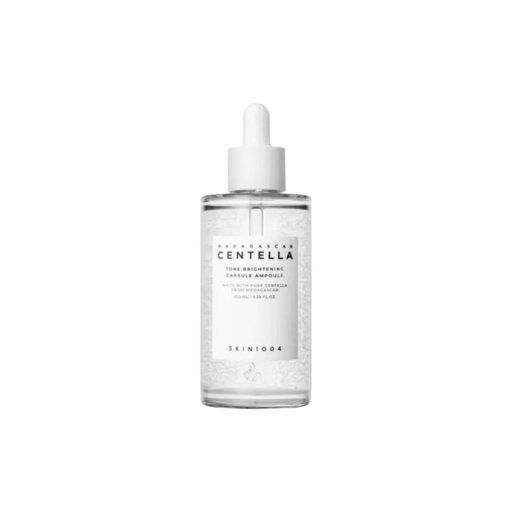
Why this product suits this profile: According to the ingredients list, the ampoule combines 4% niacinamide, tranexamic acid, Centella asiatica extract and madecassoside. It may appeal to people looking for a lightweight, hydrating texture as well as a more even-looking skin tone.
The combination of active ingredients is clearly identifiable and is not described solely using a marketing term such as “Glow”. Additional sun protection is still required during the day.
Tranexamic acid, niacinamide and Centella asiatica extract; 100 ml content according to the product information.
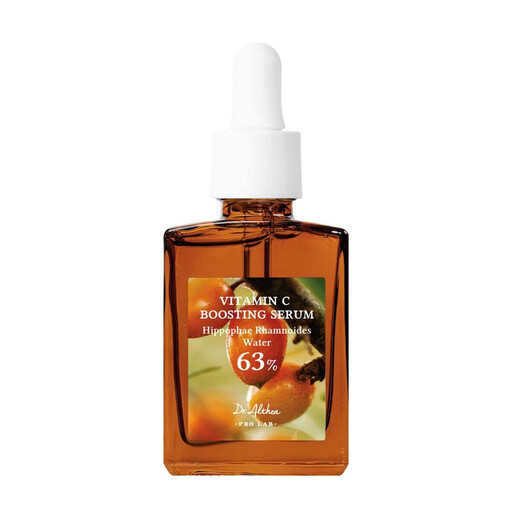
Why this product suits this profile: According to the product information, the serum contains 5% niacinamide, 2% tranexamic acid, vitamin C derivatives and ceramides. It is described as being free from artificial colourings and fragrances.
The formulation specifies exact percentages of active ingredients and, according to the description, contains no artificial fragrances. Even so, people with sensitive skin should carry out a patch test first.
Combination of niacinamide, tranexamic acid, vitamin C derivatives and Ceramide NP according to the INCI list.
We have put together a complete, regularly updated list of products that fully meet these strict selection criteria and the safety regulations applicable in the EU.
Persistent or unusual skin changes should be assessed by a dermatologist. Cosmetic products are not intended to diagnose or treat skin conditions.
A short INCI list without any known personal triggers can make choosing easier. Centella asiatica, panthenol, glycerin and ceramides are frequently used in skincare formulations. Fragrances and alcohol should be checked particularly carefully if your skin is sensitive to them. Before using the product regularly, it is advisable to test it on a small area of skin.
This depends on the contents, dosage and frequency of use. If you use two to three drops per application, a 30-ml serum may last for several weeks or months. The expiry date, storage instructions and recommended period of use after opening shown on the packaging are the deciding factors.
In principle, this depends on the individual formulation and your personal tolerability. To keep your routine simple, you can use vitamin C and niacinamide separately in the morning and retinal in the evening. New products should be introduced one at a time. If irritation occurs, stop using the products temporarily.