
Lieferung heute & morgen

Qualitätsgarantie

Willkommens-Angebote freischalten: KOSTENLOSE Lieferung | Bis zu 80 % RABATT | Kostenlose 30-Tage-JoyPlus-Testphase
App herunterladen
Pigmentation, post-inflammatory acne marks and an uneven skin tone do not always have the same cause. That is why a serum for pigmentation is not automatically suitable for every skin type or every discolouration. The active ingredients, skin tolerance and consistent use with UV protection are all crucial.
A high concentration may sound convincing at first, but on its own it says little about how suitable a product is for everyday use. Vitamin C, for example, may be included as pure ascorbic acid or as a stabilised derivative. With niacinamide, alpha-arbutin and tranexamic acid, too, the overall formulation matters.
A serum for hyperpigmentation should not contain only one promoted key active ingredient. Humectants such as glycerin, panthenol or hyaluronic acid can complement your skincare routine. For sensitive skin, fragrance, essential oils, alcohol and exfoliating acids are also important points to check on the INCI list.
Terms such as brightening face serum, “Glow” or “Radiance” usually describe the product’s cosmetic focus. They do not guarantee that every type of discolouration will disappear. Visible changes depend, among other things, on your skin type, the cause of the pigmentation, UV exposure and regular use.
Cosmetic products can help improve the appearance of an uneven complexion. Any new, changing or unusual skin marks should be assessed by a dermatologist.
UV radiation can contribute to dark spots remaining more visible or returning. If you use a vitamin C serum, niacinamide serum, acids or other skincare aimed at improving skin tone, you should also apply a broad-spectrum sunscreen in the morning. This is an important part of any routine for uneven pigmentation.
A serum for sensitive skin should be as easy as possible to incorporate into your routine. Therefore, check:
Before applying the product over a larger area for the first time, a patch test on a small area of skin is recommended. Stop using it if you experience burning, persistent redness, itching or swelling.
A lightweight gel or fluid serum often works well beneath a moisturiser and sunscreen. Richer products may be worth considering for dry or mature skin. Also check the fill size: a 15-ml product can last a long time when applied to individual areas, while a 50-ml serum may be more practical for daily use across the whole face.
Most serums are applied after cleansing. However, always follow the relevant manufacturer’s instructions. When using light-sensitive vitamin C formulations, acids or similar active ingredients, suitable UV protection should be part of your daytime routine.
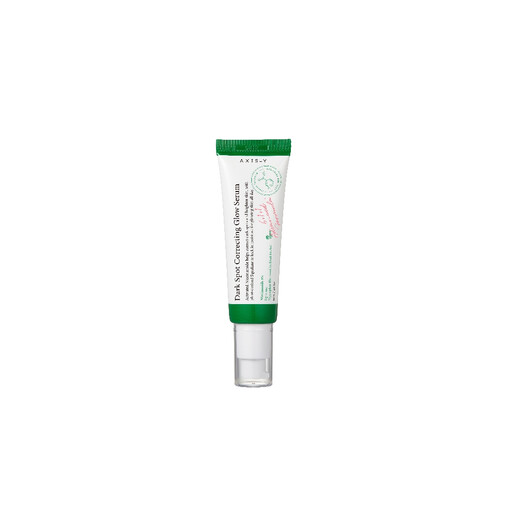
Why this product suits this profile: The 50-ml serum can be used as a daily facial treatment or applied to individual areas. According to the product information, it contains 5% niacinamide and squalane.
The INCI list states the advertised niacinamide content as well as moisturising ingredients. The complete formulation should be checked on the packaging before purchase.
Lightweight gel texture, 50 ml fill size and squalane as an additional moisturising ingredient.
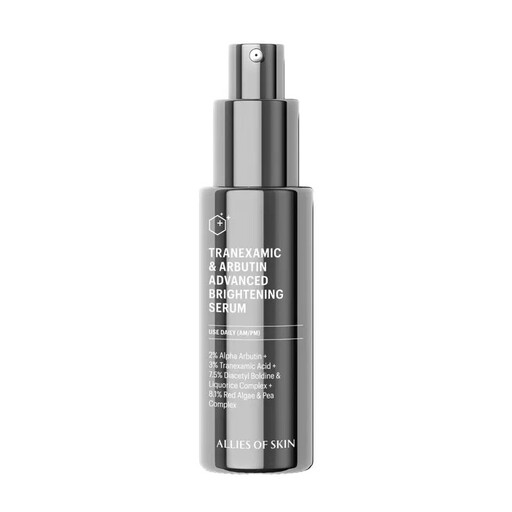
Why this product suits this profile: According to the product description, the 30-ml formulation combines 3% tranexamic acid and 2% alpha-arbutin in a fluid, fast-absorbing skincare formula.
The stated active ingredient concentrations are clearly specified. The manufacturer’s application instructions, including daily sun protection, should be followed.
Stated combination of tranexamic acid and alpha-arbutin; according to the product information, ophthalmologically tested and suitable for use around the eye area.
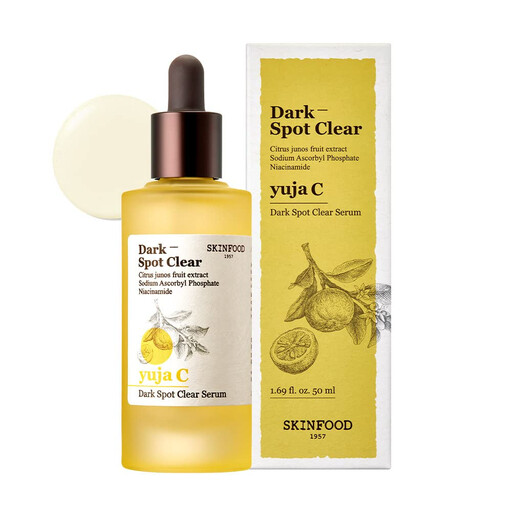
Why this product suits this profile: This Korean brightening serum contains 50 ml and, according to the product information, combines yuja extract, niacinamide and a vitamin C derivative with glycerin, panthenol and sodium hyaluronate.
The product information explicitly states that it is suitable for different skin types. As it contains essential oils such as limonene and linalool, a patch test is particularly advisable for sensitive skin.
50 ml fill size, moisturising ingredients and a stabilised vitamin C derivative in a lightweight serum texture.
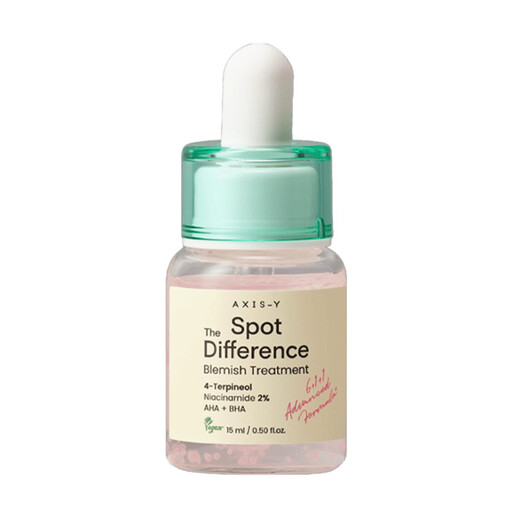
Why this product suits this profile: According to the INCI list, this 15-ml targeted treatment contains 1% niacinamide, Ceramide NP, salicylic acid and glycolic acid. It is designed for application to individual areas.
The small fill size is suited to targeted application on affected areas. Because it contains acids, the product should not be used on damaged or irritated skin.
Targeted gel texture, niacinamide and Ceramide NP; according to the product description, designed for blemish-prone skin.
Start by using an active serum two to three times a week, unless the product information specifies otherwise. Apply a small amount to cleansed skin and follow with a moisturiser. In the morning, apply sunscreen with a suitable sun protection factor.
At first, do not combine several intensive products at the same time. A vitamin C serum, a niacinamide serum and an acid product may target different concerns, but using them together could place additional strain on sensitive skin. Adding products gradually makes it easier to assess your individual tolerance.
The timeframe for cosmetic results cannot be defined universally. Visible changes depend on the active ingredients, your starting point, skin tolerance and daily UV protection. Follow the relevant manufacturer’s application instructions and only assess the routine after using it regularly for an appropriate length of time.
That depends on the formulation. A product containing niacinamide and moisturising ingredients is often easier to combine than several acid products. If the serum contains glycolic acid, salicylic acid or other intensive active ingredients, introduce it on its own at first. Pause use if irritation occurs.
A vitamin C serum may also be suitable for sensitive skin if you choose a well-tolerated derivative and a supportive skincare formulation. However, fragrance, essential oils, alcohol and high levels of acids may cause problems for some individuals. Check the INCI list, carry out a patch test and stop using the product if irritation persists.