
Lieferung heute & morgen

Qualitätsgarantie

Willkommens-Angebote freischalten: KOSTENLOSE Lieferung | Bis zu 80 % RABATT | Kostenlose 30-Tage-JoyPlus-Testphase
App herunterladen
Pigmentation, acne scars and a dull complexion can be addressed as part of your daily skincare routine with the right serum for pigmentation. However, the choice can be overwhelming. Many products promote “glow”, “glass skin” or particularly high concentrations of active ingredients, even though these claims alone reveal little about skin compatibility, application or formulation.
As a Joybuy Product Recommendation Officer, I therefore focus on transparent criteria: Which active ingredients can be identified in the INCI list? Does the texture suit your skin type? Is there guidance on sun protection, storage and gradual introduction? These points make it easier to compare a brightening face serum objectively and avoid unnecessary purchases that do not suit your needs.
A high concentration of an active ingredient is not automatically suitable for every skin type. A vitamin C serum containing 23% pure ascorbic acid may appeal to experienced users, while sensitive skin may prefer a gentler form of vitamin C. Alongside the concentration, pH value, supporting ingredients, packaging and frequency of use are also important.
Plant extracts, essential oils and fragrances can be problematic for some people. If you are looking for a serum for blemish-prone and sensitive skin, check the INCI list for “Fragrance”, essential oils and known personal allergens. The absence of fragrance does not guarantee effectiveness, but it can make choosing a product for sensitive skin more straightforward.
UV radiation can affect the development and visibility of uneven skin tone. A serum is not a substitute for sun protection. When applying a serum in the morning, your routine should therefore include a broad-spectrum sunscreen with at least SPF 30. This is particularly important if you also use vitamin C, acids or vitamin A derivatives.
Different groups of active ingredients may be suitable for a serum for hyperpigmentation:
The concentration should suit both your skincare goal and your existing routine. For beginners, a product containing several gentle hydrating ingredients may be easier to manage than using several highly concentrated actives at the same time. If you have sensitive skin, a patch test on a small area is recommended. Do not introduce several new active products on the same day.
Products containing vitamin C should be tightly closed after opening and stored somewhere cool and away from direct sunlight. If a serum comes with a pipette or dropper closure, the opening should not come into contact with your skin. Changes in smell, colour or consistency may indicate that the product is ageing. The expiry date, batch number and information on the original packaging remain the key points of reference.
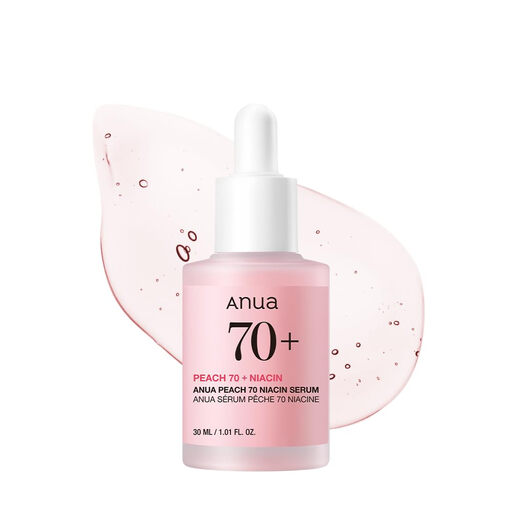
Why this product suits this profile: According to the product information, this 30 ml serum combines 70% fermented peach extract, 5% niacinamide and several forms of hyaluronic acid. It is suitable for users who want to combine hydration with a more even-looking complexion.
The stated niacinamide concentration is clearly indicated. However, fragrance is listed in the product information and should be taken into account if you are sensitive to fragrances.
5% niacinamide, alpha-arbutin in the INCI list and three forms of hyaluronic acid, according to the product information.
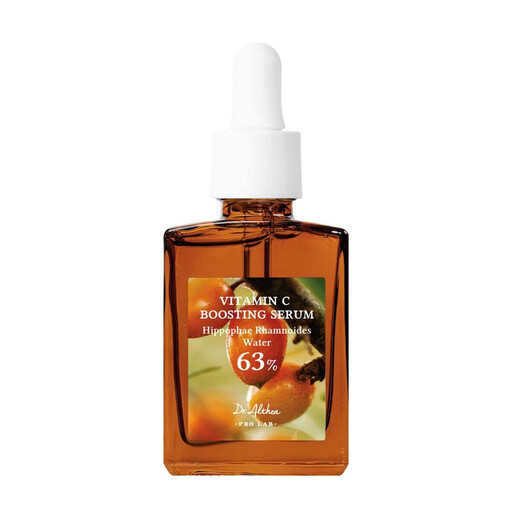
Why this product suits this profile: According to the product description, the formulation contains 63% sea buckthorn water, 5% niacinamide and 2% tranexamic acid. It is aimed at users who prefer several complexion-focused ingredients in a lightweight texture.
The product information distinguishes between sea buckthorn water and pure ascorbic acid. This prevents the total percentage from automatically being mistaken for the vitamin C concentration.
5% niacinamide, 2% tranexamic acid, plus vitamin C derivatives and ceramides according to the INCI list.
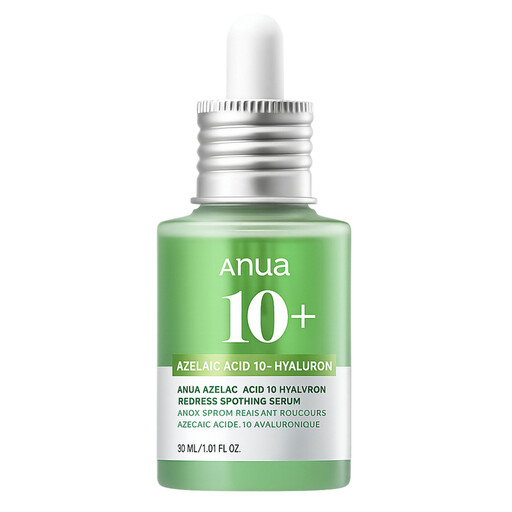
Why this product suits this profile: For skin prone to redness and blemishes, the formulation contains 10% azelaic acid, hyaluronic acid, panthenol and several centella ingredients.
The recommended application starts at once or twice a week, with gradual increases. This helps avoid applying an active ingredient too frequently from the outset.
10% azelaic acid, ceramide NP, panthenol and a lightweight, watery texture, according to the product information.
We have put together a complete, regularly updated list of products that fully meet these strict selection criteria and the safety regulations applicable in the EU.
A Korean skincare serum can be incorporated into a short routine. However, its country of origin alone is not proof of quality. The complete ingredients list, the manufacturer's information and your personal tolerance remain the deciding factors.
A gentle formulation with hydrating ingredients and only a few active components may be the easiest place to start. If your skin is sensitive or already irritated, fragrances, essential oils and overly frequent use should be considered carefully. A patch test is advisable.
Cosmetic skincare usually requires a consistent routine. A specific timeframe cannot be defined for all skin types and causes of pigmentation. If spots remain unchanged, become larger or change in shape or colour, you should have them assessed by a medical professional.
This depends on the specific formulation and your skin's tolerance. For beginners, it is easier to introduce one product first and monitor your skin for a while. A vitamin C serum should also be stored according to the packaging instructions, as light and air can affect the formulation.