
Lieferung heute & morgen

Qualitätsgarantie

Willkommens-Angebote freischalten: KOSTENLOSE Lieferung | Bis zu 80 % RABATT | Kostenlose 30-Tage-JoyPlus-Testphase
App herunterladen
Pigmentation, post-inflammatory discolouration and an uneven skin tone can have various causes. These include UV exposure, previous blemishes and visible signs of irritated skin. A serum for pigmentation can be incorporated into your skincare routine in a targeted way. However, your choice should not be based solely on terms such as “Glow”, “Brightening” or “Glass Skin”.
A high concentration may sound convincing at first, but it says little about how suitable the product will be for your skin. Pure vitamin C, acids or several ingredients marketed for brightening may feel uncomfortable on sensitive skin. What matters is the complete INCI list, the texture and how the product works alongside others.
For example, a vitamin C serum with 3% ascorbic acid should be assessed differently from a serum containing a more stable vitamin C derivative. Packaging also plays a role, as certain forms of vitamin C are sensitive to light and air.
Pigmentation often develops over a longer period. Cosmetic products can help improve the appearance of discolouration and an uneven skin tone, but an immediate change is unrealistic. Skipping sun protection during the day can also make it harder to prevent new discolouration from becoming visible.
A lightweight Korean face serum may feel pleasant on the skin. Nevertheless, people with sensitive or blemish-prone skin should look out for fragrances, essential oils and potentially irritating combinations. A fragrance-free serum for dark spots may be a sensible choice for this group, provided the rest of the formulation is also suitable.
Cosmetic products should not be equated with medicines. If you notice new, changing or unclear skin changes, it is advisable to seek dermatological advice.
Look for glycerin, panthenol, hyaluronic acid or ceramides if you also want added hydration and a comfortable skin feel. If you are sensitive to fragrance, check for terms such as “Parfum”, “Limonene”, “Linalool” or essential oils.
New products should initially be tested on a small area of skin. If you experience burning, a rash or persistent redness, discontinue use. Starting several intensive products at the same time makes it harder to identify the cause of any reactions.
A light-protective dispenser or a tightly sealable bottle can be practical for sensitive active ingredients. With vitamin C, monitor the colour of the product and close the packaging after every use. The binding information on minimum durability, batch number and period after opening can be found on the packaging.
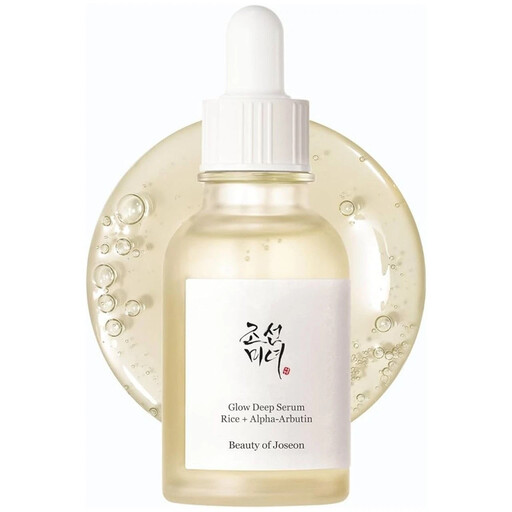
Why this product suits this profile: The 60ml size and lightweight formulation are ideal for people looking for an uncomplicated alpha-arbutin serum with hydrating benefits.
The product description specifies 2% alpha-arbutin and a fragrance- and essential-oil-free formulation, rather than relying solely on a general promise of glow.
68.6% rice bran water, niacinamide and panthenol; according to the product information, vegan and fragrance-free.
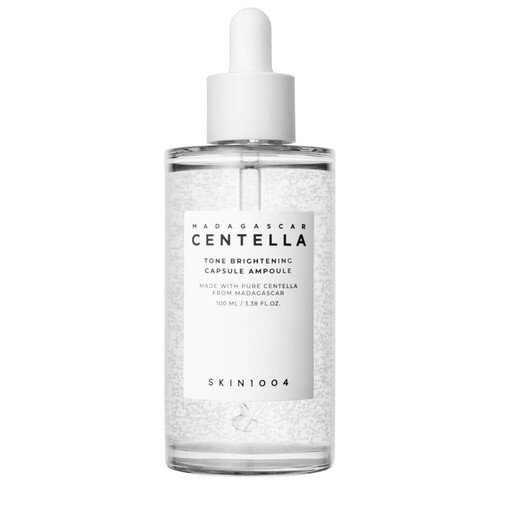
Why this product suits this profile: The 100ml ampoule is appealing to people looking for a larger quantity for regular use.
The formulation focuses on clearly stated ingredients such as 4% niacinamide according to the product information, tranexamic acid and Centella asiatica extract.
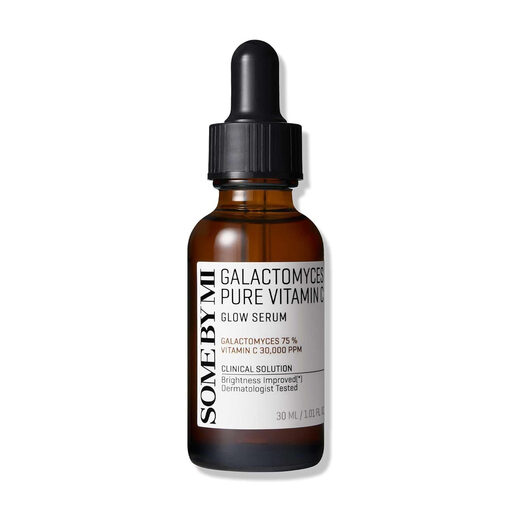
Why this product suits this profile: This vitamin C serum is aimed at users who want to combine ascorbic acid with a fermented ingredient and a watery texture.
The product information specifies 3% pure ascorbic acid and explicitly highlights light protection, careful sealing and possible colour changes.
75% Galactomyces ferment filtrate, glycerin, sodium hyaluronate and niacinamide according to the stated INCI list.
A serum for acne scars or a hyperpigmentation serum should not automatically be combined with several exfoliants, retinoids or highly concentrated active ingredients. Introducing products gradually makes it easier to assess how well your skin tolerates them.
We have put together a complete, regularly updated list of products that fully meet these strict selection criteria and the safety regulations applicable in the EU.
This depends on the product and the active ingredient. According to the manufacturer’s instructions, many formulations are intended for use in the morning and evening. With vitamin C, acids or sensitive skin, it may be advisable to start slowly with just a few applications per week. Always follow the instructions on the packaging and consider your individual skin tolerance.
The specific expiry date and period after opening are stated on the packaging. Products that are sensitive to light and air should be stored in a cool, dry place away from direct sunlight. A noticeable change in colour, smell or texture may be a reason to stop using the product.
In principle, products containing niacinamide, alpha-arbutin or humectants can be combined in one routine. More caution is advisable with acids, retinoids and pure vitamin C. New combinations should be introduced one at a time. If irritation persists, stop using the products and seek dermatological advice if necessary.