
Lieferung heute & morgen

Qualitätsgarantie

Willkommens-Angebote freischalten: KOSTENLOSE Lieferung | Bis zu 80 % RABATT | Kostenlose 30-Tage-JoyPlus-Testphase
App herunterladen
Spots, blackheads and dark marks often appear at the same time, but they don't always need the same care. A serum for spots and dark marks can be applied directly to individual areas or used across larger sections of the face. What matters most is whether the formula is designed for blemishes, uneven skin tone or sensitive skin.
When buying, however, some common marketing claims can lead you to make the wrong choice:
An anti-spot serum or spot treatment often contains salicylic acid. This ingredient appears in several of the formulations listed here, including the Babor Clarifying Impurity SOS Spot Treatment and the Clinique Anti Blemish Correcting Serum. Some products state the concentration clearly: Murad, for example, lists 1.0% salicylic acid.
For dark marks, uneven skin tone or visible marks left after blemishes, different groups of active ingredients may be more suitable:
The terms serum for hyperpigmentation, serum for pigment spots or serum for acne scars describe what you're looking for, but they are not proof of a medical effect. Cosmetic products can help improve the appearance of your skin; if you have painful, severe or persistent acne, it's worth seeking dermatological advice.
A spot treatment is applied directly to individual blemishes or affected areas. The Babor SOS Spot Treatment, at 15 ml, is designed for this purpose and, according to the instructions, should be applied thinly to the affected area in the evening and not rinsed off.
A face serum for blemish-prone skin that can be used over larger areas is applied after cleansing, either to the whole face or to larger sections. Before you buy, check the following:
If you're using an anti-pigment serum or vitamin C serum, you should also apply a sunscreen with a suitable SPF during the day. UV radiation can affect the development or visibility of pigment changes. This is especially important if your routine also includes acids or other active ingredients.
Also check the current packaging: manufacturers can change their INCI lists. The information on the product itself, along with details on shelf life, batch number and period after opening, is what counts.
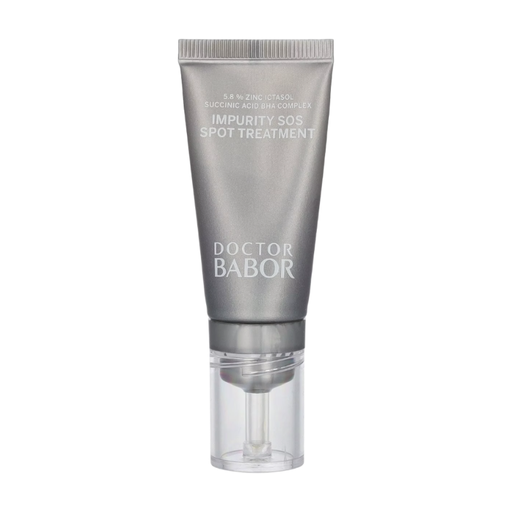
Why this product fits the profile: The small 15 ml size is ideal for a targeted evening routine and avoids buying a full-face serum when you only need to treat a few spots.
The usage is clearly limited to affected areas. The INCI list includes salicylic acid and Zinc PCA; if you have sensitive skin, test on a small area first.
Targeted application, compact size and transparent ingredient listing.
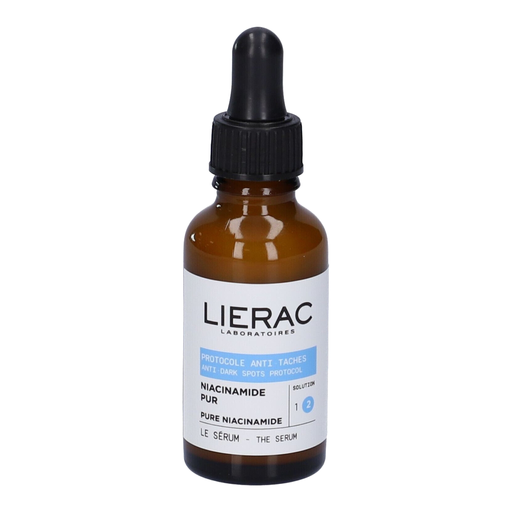
Why this product fits the profile: It's aimed at those looking for a liquid serum for both morning and evening use, combining niacinamide with a vitamin C derivative.
The formulation clearly names the relevant active ingredient groups. As fragrance is listed, those with a sensitivity to perfume should test tolerance carefully.
30 ml content, liquid texture, plus niacinamide and Ascorbyl Glucoside in the INCI list.
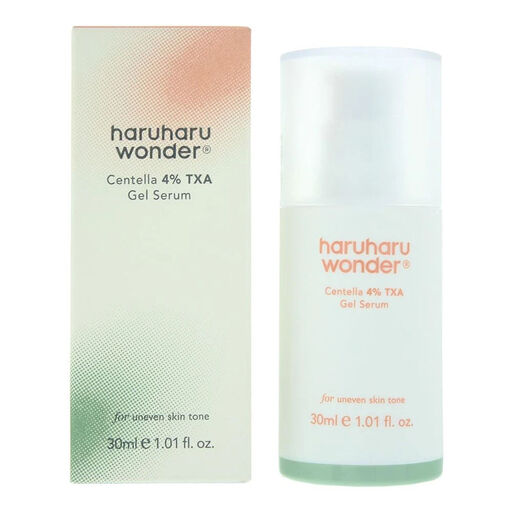
Why this product fits the profile: This K-beauty serum is ideal for those looking for a lightweight anti-pigment serum with a clearly stated percentage of tranexamic acid.
The 4% TXA claim makes the formula much easier to assess than vague statements like “intensive brightening”. Centella Asiatica is also part of the formulation.
30 ml content, lightweight serum texture and a clearly stated combination of tranexamic acid and Centella.
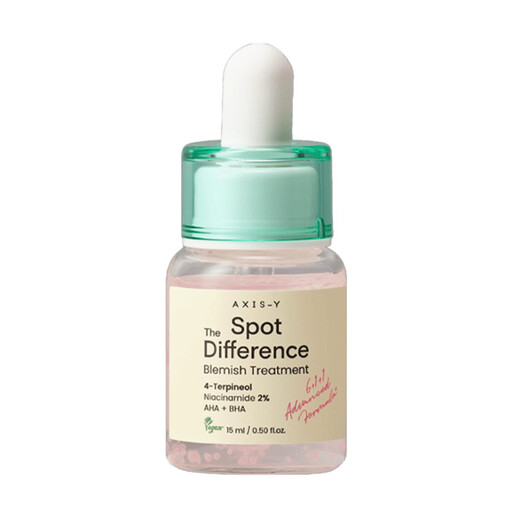
Why this product fits the profile: The 15 ml tube is ideal for targeted treatment of blemishes and for those who prefer a gel-like texture.
The formula lists 1% niacinamide, ceramides, salicylic acid and glycolic acid. Because of this combination, avoid using it alongside other exfoliants without careful consideration.
Targeted gel application, compact packaging, plus niacinamide and ceramides in the formula.
We've put together a full, regularly updated list of products that meet these strict selection criteria and comply with EU safety regulations.
Start with one product and apply it sparingly at first. For a spot treatment, a small amount directly on the affected area is enough. A full-face serum is applied after cleansing and, if you use one, after toner. Follow with moisturiser and, during the day, sunscreen.
If you experience burning, persistent redness, swelling or itching, stop using the product. Do not apply products to open wounds, mucous membranes or severely irritated skin. A patch test on a small area of skin can be useful before your first full application.
It depends on your main concern. For individual blemishes, a spot treatment with salicylic acid can be a good addition to your routine. For dark marks, look for formulations with niacinamide, vitamin C derivatives or tranexamic acid. If you have both concerns, don't start using several strong active products at the same time.
Check the printed expiry date and the PAO symbol, for example “12M” for twelve months after opening. Store the serum in a cool, dry place away from direct sunlight. Changes in smell, colour or consistency may mean it's time to stop using the product.
You can use it, but sunscreen is an important part of your daytime routine. This is especially true for products containing acids or brightening active ingredient combinations, as your skin needs protection from UV radiation. This helps you tailor your daily care more effectively to the needs of dark marks.