
Lieferung heute & morgen

Qualitätsgarantie

Willkommens-Angebote freischalten: KOSTENLOSE Lieferung | Bis zu 80 % RABATT | Kostenlose 30-Tage-JoyPlus-Testphase
App herunterladen
A foundation that not only provides coverage but also actively cares for your skin—that's the promise of a serum foundation. It aims to combine the coverage of a makeup product with the benefits of a skincare serum. However, the market is saturated with products whose marketing claims often suggest more than the formula actually delivers. Before you make a decision, it's crucial to understand the common pitfalls that can lead to a purchase you'll regret.
Common Pitfalls When Buying a Serum Foundation:
To make an informed decision, you should focus on objective criteria. Three parameters are essential for identifying a high-quality skincare-infused foundation that suits your needs.
A true serum foundation is distinguished by a formula where skincare ingredients play a central role. Pay close attention to the order of ingredients (the INCI list).
The desired finish is a key factor. A good foundation with a glow effect achieves this through hydrating ingredients that naturally reflect light, not through added shimmer particles.
A long-wearing foundation doesn't have to be heavy. Modern formulations use flexible polymers that adapt to the skin's movements, reducing settling into fine lines. Additionally, an integrated sun protection factor is a practical feature for daily use.
Based on these criteria, we have identified a few products that could be of interest to different user profiles in the UK.
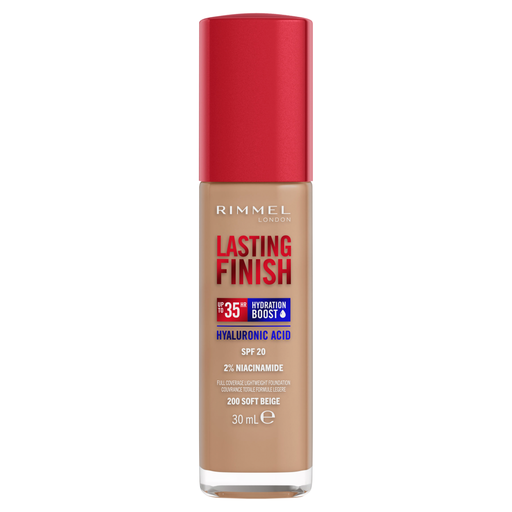
Why This Fits Their Persona: This product offers a comprehensive package for anyone wanting to try the benefits of a serum foundation without a large investment. It combines hydration, long wear, and sun protection in one formula.
The formula goes beyond vague skincare claims, listing specific active ingredients like Hyaluronic Acid and 2% Niacinamide. The finish is described as natural, which minimises the risk of a purely oily sheen.
A combination of long wear (up to 35 hours, according to the manufacturer), hydration, and an integrated SPF 20 at an accessible price point.
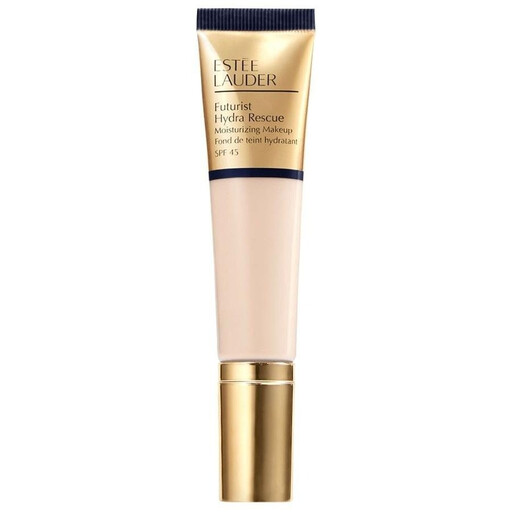
Why This Fits Their Persona: Ideal for users who are willing to invest in a high-performance product and value an advanced formula with significant skincare benefits and high sun protection.
This product offers a very high SPF 45 and a detailed list of active ingredients like Lactobacillus Ferment and Chia Seed Extract, demonstrating a clear focus on skin health beyond just coverage.
High sun protection and a formula that, according to the manufacturer, soothes redness and irritation while providing buildable, medium-to-full coverage.
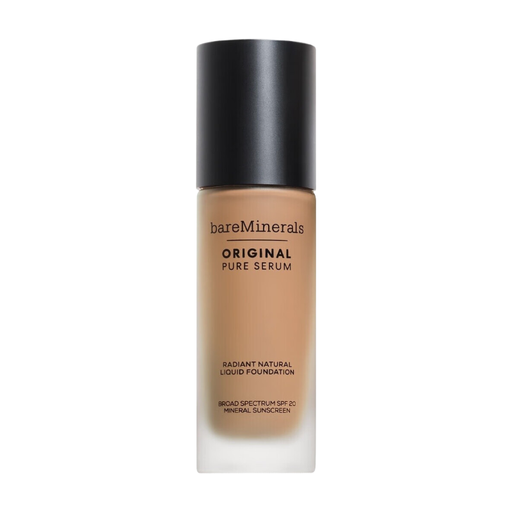
Why This Fits Their Persona: Perfect for users who prioritise minimal, skin-friendly formulations and a "no-makeup" makeup look. The light coverage and nourishing ingredients are well-suited for sensitive skin.
The glow effect here is achieved through hydration (Hyaluronic Acid, Glycerin), not heavy oils. The formula is explicitly labelled as silicone-free and non-comedogenic, minimising the risk of breakouts.
A vegan, silicone-free formula with light coverage for an exceptionally natural, radiant finish. Contains mineral-based SPF 20.
We have compiled a complete, up-to-date list of products that fully meet these strict selection criteria and UK safety regulations.
For an especially natural finish, apply a small amount of the product with your fingers, a damp makeup sponge, or a foundation brush. Start in the centre of your face and blend the foundation outwards. The serum-like consistency often allows the product to be worked into the skin very well. Build coverage only where needed to avoid a mask-like appearance.
That depends on your skin type. For oily to normal skin, a rich hydrating foundation may be sufficient on some days. For dry or very dry skin, however, it should generally be seen as a supplement to, not a replacement for, your usual moisturiser. Apply the foundation to well-moisturised skin for the best result.
Choosing the right shade online can be a challenge. A good approach is to first determine your skin's undertone (cool, warm, or neutral). Many brands offer digital shade-matching tools on their websites. Also, read the product descriptions carefully, as they often contain clues about which skin tone and undertone a particular shade is suitable for (e.g., "for fair skin with a neutral undertone").