
Lieferung heute & morgen

Qualitätsgarantie

Willkommens-Angebote freischalten: KOSTENLOSE Lieferung | Bis zu 80 % RABATT | Kostenlose 30-Tage-JoyPlus-Testphase
App herunterladen
A serum foundation combines make-up with selected skincare ingredients. Its fluid texture can create a natural finish, with coverage ranging from light to medium or buildable, depending on the product. That may sound appealing if you have dry, normal or mature skin. In practice, though, the word ‘serum’ alone doesn’t determine whether a foundation is right for you.
If you’re thinking of buying a serum foundation, watch out for these three common marketing pitfalls:
Light to medium coverage is a good choice for an even everyday look that still lets your skin show through. Buildable coverage lets you apply a second thin layer to areas of redness or uneven tone. This usually gives you more control than applying a large amount of product all over your face.
For a liquid foundation, it’s also worth checking the recommended application instructions. Many formulas need to be shaken before use so the pigments and skincare ingredients are evenly distributed. For a radiant finish, you can apply it with your fingers, a brush or a sponge. The tool you choose affects how visible the foundation looks on your skin.
A foundation with hyaluronic acid often contains Sodium Hyaluronate or related hyaluronic acid ingredients. These may be part of the product’s formulation, but they don’t automatically prove that it will have a particular effect for everyone. Glycerin, oils, ceramides and panthenol are other ingredients that may feature in hydrating formulas.
If you have sensitive skin, pay particular attention to fragrance and any listed fragrance allergens. A vegan foundation is one whose formula is described as vegan by the supplier; this doesn’t automatically mean it’s fragrance-free or suitable for your skin. If your skin is prone to irritation, test new products on a small area first and stop using them if you experience any problems.
A matte or satin-matte finish can be practical for combination skin. A naturally radiant finish often suits dry or mature skin, but may not be ideal if your skin gets very shiny. So, if a product description uses terms such as ‘radiant’, ‘glowy’ or ‘glass skin’, check that they match the stated finish and texture.
When choosing a foundation with SPF, check the sun protection factor, filters and application instructions. SPF 20, SPF 25, SPF 30 and SPF 40 are specific product details, but they don’t automatically replace comprehensive sun protection. For shades, check the number, colour family and undertone, such as ‘Cool’, ‘Neutral’ or ‘Warm’. Ideally, test the shade in daylight where your face meets your neck.
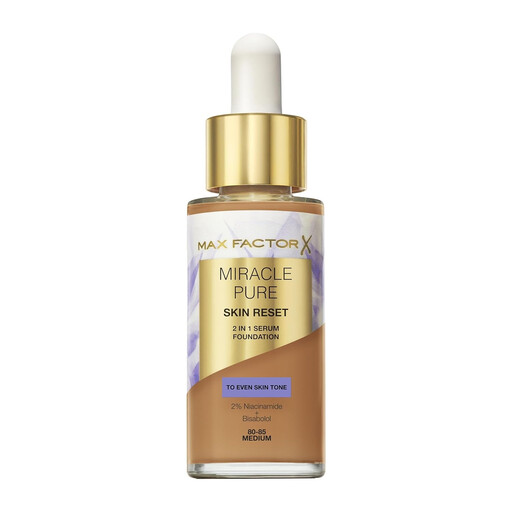
Why it suits this profile: According to the product details, this 30-ml liquid foundation offers medium coverage, a satin-matte finish and six natural shades. That makes it easier to try layering and find a suitable shade.
The finish and coverage are clearly stated, rather than relying on a broad skincare claim. Niacinamide, Bisabolol and Sodium Hyaluronate are listed in the INCI ingredients; you should still check how your skin responds.
Medium coverage, a satin-matte finish, a vegan formula according to the product details, and a paraben-free claim.
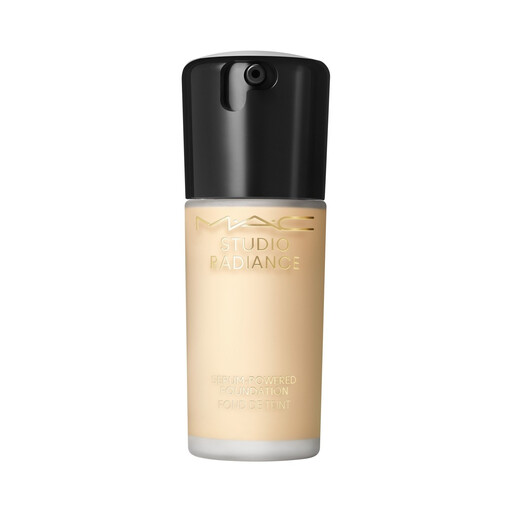
Why it suits this profile: The product details describe medium, buildable coverage, a radiant finish and a serum-like consistency. The NC12 shade is designed for a specific light skin tone and matching undertone.
The flexible coverage means you’re less likely to need several different textures for different occasions. Before you buy, check that the shade name matches your own undertone.
A 10% hyaluronic acid solution according to the product description, vitamin E, medium buildable coverage and a reusable glass bottle.
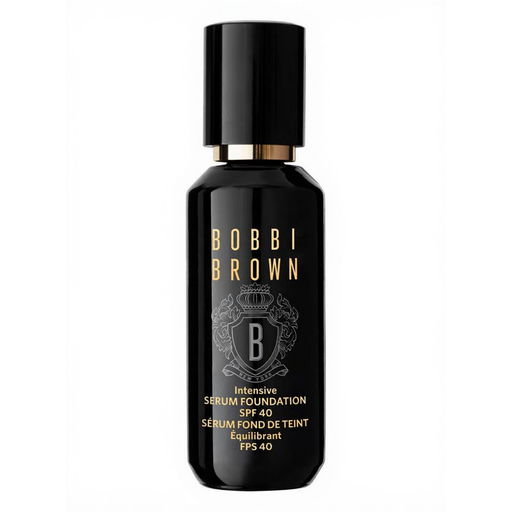
Why it suits this profile: This foundation combines a serum texture with SPF 40 and a natural, radiant look. It’s a good match for anyone who values a stated sun protection factor in their everyday make-up.
The sun protection factor is clearly stated, rather than promoted simply as ‘protection’. You’ll still need a separate sun protection product for longer periods in the sun.
SPF 40, Sodium Hyaluronate mentioned in the product description, and a lightweight serum format for everyday application.
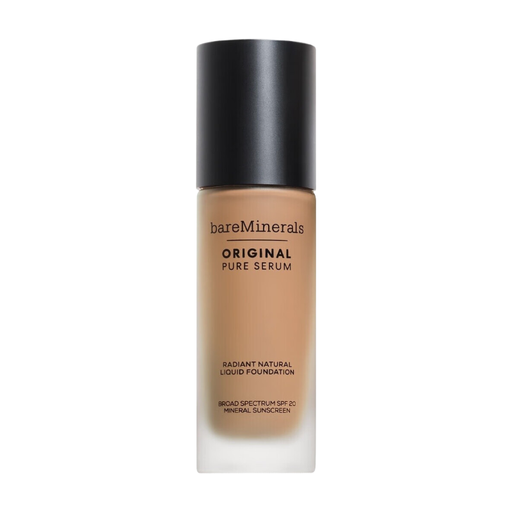
Why it suits this profile: The product details describe light, buildable coverage, a naturally radiant finish, hyaluronic acid and glycerin. The formula is listed as vegan, silicone-free and non-comedogenic.
The light coverage is clearly stated. If you have dry patches, though, apply suitable skincare underneath, as no foundation can address every skin concern on its own.
Light, buildable coverage, SPF 20, a vegan formula according to the product details, plus hyaluronic acid, glycerin and water lily extract.
We’ve put together a complete, regularly updated list of products that meet these strict selection criteria and fully comply with the safety regulations in force in the EU.
Before applying foundation, cleanse your face. If you have dry or mature skin, prepare it with suitable skincare. Start with small amounts on your forehead, cheeks, nose and chin, then blend outwards. You can usually build coverage by adding thin layers.
Shelf life depends on the packaging, storage and how you use the product. Close bottles firmly after use and keep them away from direct sunlight and excessive heat. Check the best-before date and the PAO symbol on the packaging, such as ‘12M’ or ‘24M’. The smell, colour or consistency may change; if you notice anything unusual, stop using the product.
A serum foundation is a liquid or cream foundation whose formula also contains selected skincare ingredients. It may feel light on the skin, offer hydrating properties or create a radiant finish. Its specific effects and suitability depend on the individual formula.
Many products are designed to give a hydrating finish and contain ingredients such as glycerin, oils or Sodium Hyaluronate. If you have dry patches, preparing your skin with skincare is still important. A small patch test can help you spot unwanted reactions early.
Check the PAO symbol and the manufacturer’s instructions. You’ll often see timeframes such as 12 or 24 months. Store foundation in a cool, dry place away from direct sunlight.