
Lieferung heute & morgen

Qualitätsgarantie

Willkommens-Angebote freischalten: KOSTENLOSE Lieferung | Bis zu 80 % RABATT | Kostenlose 30-Tage-JoyPlus-Testphase
App herunterladen
Pigmentation, acne marks and an uneven skin tone cannot all be incorporated into your skincare routine equally well with just any facial serum. Product names such as “Glow”, “Brightening” or “Glass Skin” often describe the desired skin appearance, but reveal little about concentration, suitability or how the product should be used. If you want to buy a serum for pigmentation, you should therefore compare the INCI list, texture and intended use.
As a Joybuy Product Recommendation Officer, I assess the available information objectively and show which products may suit different skincare profiles.
“Brightening face serum”, “Glow Serum” and “serum for an even skin tone” are not uniformly defined product categories. What matters is which ingredients are actually included and where they appear in the ingredients list. Niacinamide, tranexamic acid, vitamin C derivatives and retinal can each focus on different aspects, and are not automatically suitable for every skin type.
A serum for hyperpigmentation is often combined with exfoliants, retinoids and other vitamin C products. This can make your skincare routine unnecessarily complicated. If your skin is sensitive or already irritated, introducing products gradually is more sensible than using several highly active formulations at the same time.
UV radiation can encourage the development of visible discolouration. A serum is therefore no substitute for sun protection. If you use a product for pigmentation or acne marks in the morning, you should then apply a suitable broad-spectrum sunscreen and follow the instructions for the individual product.
For a niacinamide serum, specific information such as 5% niacinamide is more useful than general terms such as “brightening”. Product descriptions often associate niacinamide with a more even-looking complexion, hydration and the care of visible pores. However, results vary from person to person, and cosmetic products do not treat medical skin conditions.
Tranexamic acid, for example, is found in some formulations designed to improve the appearance of discolouration. Vitamin C may be included as pure ascorbic acid or as a stabilised derivative. Retinal is one of the vitamin A derivatives and should be introduced carefully, particularly if you have sensitive skin.
A lightweight gel or ampoule texture can feel comfortable on oily, combination or blemish-prone skin. Dry skin often benefits from additional humectants such as glycerin, hyaluronic acid or squalane. If you have sensitive skin, check fragrances, essential oils and a high number of simultaneously active ingredients particularly carefully.
Check whether the product is intended for use in the morning, evening or only gradually. With retinal and exfoliating acids, a slow introduction is important. The ingredients list may change from one batch to another, so the information on the packaging is the authoritative source. A patch test on a small area of skin can help identify individual intolerances at an early stage.
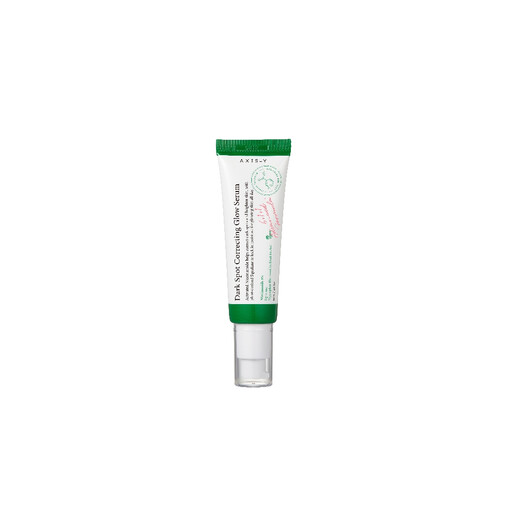
Why this product suits the profile: Its lightweight gel texture and 5% niacinamide make it a straightforward option for those starting a Korean skincare routine.
The product description states the specific niacinamide content and presents it for use as facial or targeted care, rather than relying solely on general glow claims.
5% niacinamide, squalane, glycerin and sodium hyaluronate; according to the product information, it is intended for all skin types, including sensitive and acne-prone skin.
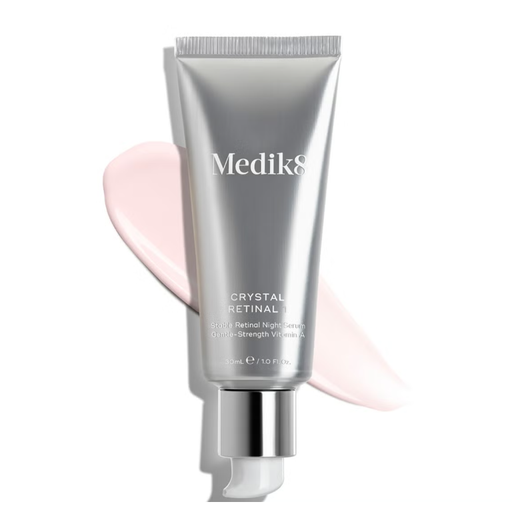
Why this product suits the profile: For shoppers who want to combine a clearly specified vitamin A derivative with a structured evening routine.
With 0.01% stabilised retinal, the declared active ingredient is easier to assess than broad anti-ageing or brightening claims. Gradual use helps reduce the risk of a difficult start.
Retinal plus glycerin, hyaluronic acid, squalane and vitamin E; according to the usage instructions, apply initially twice a week in the evening.
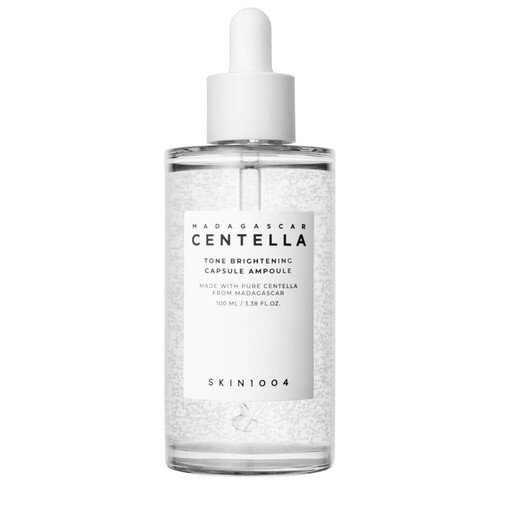
Why this product suits the profile: The larger size is ideal for anyone who wants to apply a lightweight ampoule regularly to their face and neck.
The formulation combines declared ingredients such as 4% niacinamide and tranexamic acid with a simple application of two to three drops.
77% Centella Asiatica extract according to the product information, tranexamic acid, 4% niacinamide and a non-sticky texture.
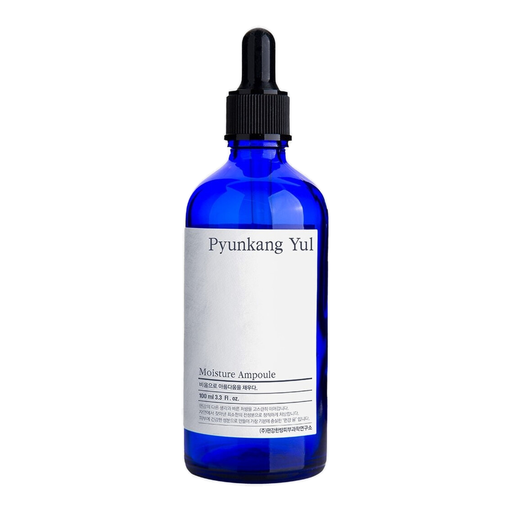
Why this product suits the profile: If your priority is hydration and a straightforward skincare base, this lightweight emulsion offers just that, without a specified acid or retinal combination.
The product description focuses on hydration and balance, rather than making an overloaded promise to remove pigmentation.
Coptis Japonica root extract, olive fruit oil and a lightweight emulsion; according to the product information, it is intended for sensitive, problematic and oily skin.
We have put together a complete, regularly updated list of products that fully meet these strict selection criteria and the safety regulations applicable in the EU.
A straightforward formulation with moisturising ingredients and only a few active ingredients may be easier to introduce. A patch test is recommended before the first full application. If you have sensitive skin, retinal, acids and fragrances should be checked particularly carefully.
Cosmetic changes do not develop at the same rate for everyone. Regular, well-tolerated use over several weeks is more sensible than changing products frequently. Sun protection remains an important part of your routine.
This depends on the specific formulations and how well your skin tolerates them. For beginners, it is easier to use the active ingredients at different times of day or on different days to begin with. Retinal should be introduced gradually in line with the manufacturer’s instructions.