
Lieferung heute & morgen

Qualitätsgarantie

Willkommens-Angebote freischalten: KOSTENLOSE Lieferung | Bis zu 80 % RABATT | Kostenlose 30-Tage-JoyPlus-Testphase
App herunterladen
Dark spots, acne scars and an uneven skin tone can be targeted with the right skincare product. However, the choice is extensive: vitamin C serums, niacinamide serums, alpha-arbutin serums and tranexamic acid serums are often promoted with similar claims, but differ in active ingredient concentration, texture and skin tolerance.
As a Joybuy Product Recommendation Officer, I filter out the most important buying criteria so you can better assess marketing terms and choose a serum for hyperpigmentation that suits your skin.
The terms “vitamin C” or “niacinamide” alone reveal little about a formulation. What matters is whether it contains a stable vitamin C derivative or pure ascorbic acid, and where the active ingredient appears in the INCI list. On sensitive skin, a high concentration of active ingredients may also be more likely to cause tightness or redness.
Some products contain light-reflecting particles or pigments. These can make the complexion appear more even straight away, but they do not change the cause of dark spots. A brightening face serum with mica or similar particles is therefore more of a cosmetic glow booster than a classic skincare product for hyperpigmentation.
UV radiation can encourage the development and visibility of discolouration. Even a well-formulated serum for an even skin tone does not replace sun protection. Your morning routine should always end with a broad-spectrum sunscreen with at least SPF 30.
Look out for fragrance, essential oils, alcohol and exfoliating acids if your skin reacts quickly. Moisturising ingredients such as glycerin, panthenol, hyaluronic acid, squalane or ceramides can make daily use more comfortable. Always check the complete, up-to-date ingredients list on the product packaging, as formulations may change.
A serum for pigmentation is usually applied after cleansing and before moisturiser. When using active formulations, start with a few applications per week and monitor your skin. Products containing vitamin C should be stored away from light and heat. Also check the PAO symbol, batch number and the best-before date stated on the packaging.
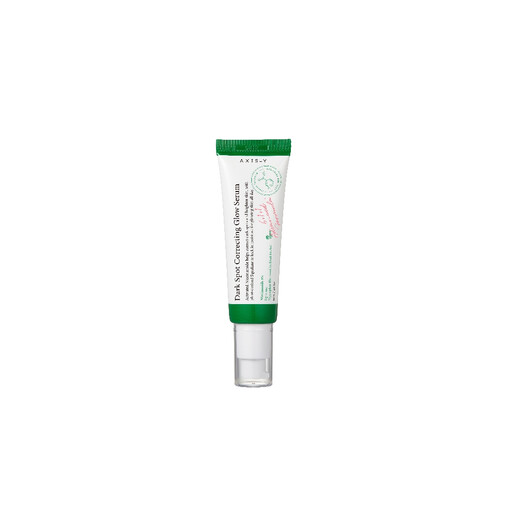
Why this product suits this profile: Its gel-like texture and 5% niacinamide make it an easy-to-use option for the daily care of normal, blemish-prone or sensitive skin.
The stated niacinamide concentration makes it easier to assess than products that simply use general “brightening” claims.
5% niacinamide, squalane and sodium hyaluronate; 50 ml contents.
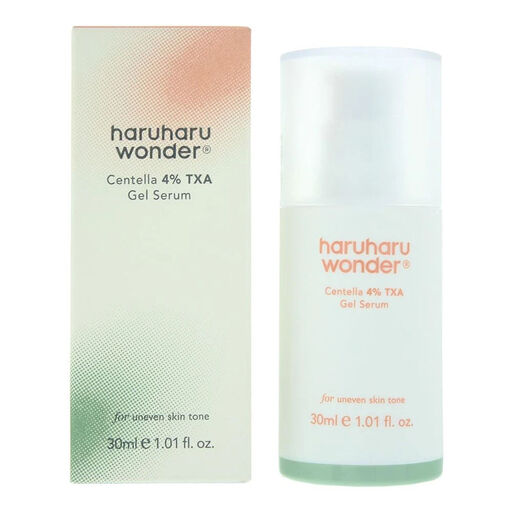
Why this product suits this profile: The combination of 4% tranexamic acid and Centella asiatica is appealing to users who prefer a Korean skincare serum focused on visible discolouration and a lightweight texture.
The stated TXA concentration provides a clear basis for comparison. Use can be adapted to your routine in the morning and/or evening.
4% tranexamic acid, Centella asiatica extract and a fast-absorbing serum texture according to the product information.
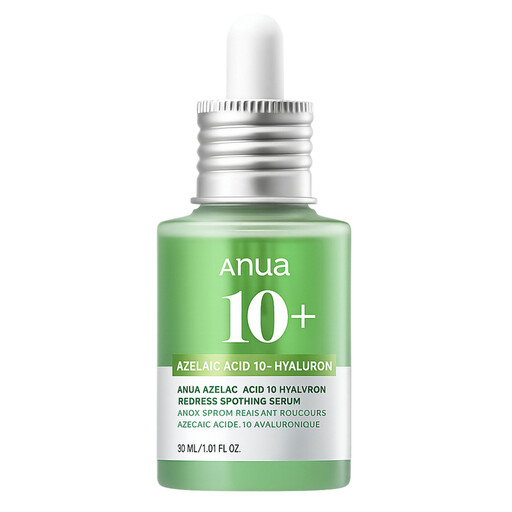
Why this product suits this profile: The formulation combines 10% azelaic acid with panthenol, hyaluronic acid, beta-glucan and ceramides, and according to the product description is aimed at sensitive, blemish-prone skin.
The recommended gradual increase in use helps prevent starting too frequently. A patch test is recommended before first use.
10% azelaic acid, hyaluronic acid, panthenol and ceramides NP according to the INCI list.
We have put together a complete, regularly updated list of products that fully meet these strict selection criteria and the safety regulations applicable in the EU.
If you experience burning, itching, persistent redness or swelling, stop using the product. Do not apply a serum to broken or severely irritated skin. If you notice suddenly appearing or changing skin marks, it is advisable to consult a dermatologist.
This depends on the dosage and how often you use it. If you apply just a few drops each time, a 30 ml serum may last from several weeks to a few months. The recommended dosage, pump mechanism and your personal routine are the key factors.
In principle, both active ingredients can be used in the same skincare routine. If you have sensitive skin, it is sensible to introduce just one product at first or use the serums at different times of day. This makes it easier to monitor how well your skin tolerates them.
For sensitive skin, a straightforward INCI list, the absence of fragrance and additional moisturising ingredients are important selection criteria. For acne scars, a serum containing niacinamide, azelaic acid or a vitamin C derivative may be worth considering. Exfoliating acids should be introduced carefully and not at the same time as several other active products.