
Lieferung heute & morgen

Qualitätsgarantie

Willkommens-Angebote freischalten: KOSTENLOSE Lieferung | Bis zu 80 % RABATT | Kostenlose 30-Tage-JoyPlus-Testphase
App herunterladen
Pigmentation, acne marks and an uneven skin tone are some of the most common reasons people look for a serum for pigmentation. There’s a wide choice, from niacinamide and vitamin C serums to tranexamic acid serums, alpha-arbutin formulas and K-beauty products. But a high concentration of active ingredients or a bold claim on the packaging doesn’t automatically mean a product is right for your skin.
This buying guide explains what women and men in Germany should consider before buying, and which product profiles may suit different skin needs.
Terms such as ‘Brightening’, ‘Glow’ or ‘Dark Spot Correcting’ describe how a product is positioned. They don’t prove that pigmentation will disappear completely. Cosmetic products can affect the appearance of skin discolouration, but individual results depend on factors including skin type, the cause and how long the product is used.
If you want to reduce pigmentation, check the specific INCI list rather than relying on the product name alone.
Using a vitamin C serum, a salicylic acid exfoliant, a niacinamide serum and another product for pigmentation together can put your skin barrier under strain. Sensitive, dry or blemish-prone skin may react to an extensive routine with redness, tightness or a stinging sensation.
It’s better to introduce one product first and see how your skin responds. Stop using it if you notice visible irritation.
UV radiation can affect the development and visibility of discolouration. A serum for dark spots is no substitute for sun protection. Your morning routine should include suitable UV protection, applied in a generous amount. Some suppliers also point out that products containing acids or vitamin C derivatives may make skin more sensitive to the sun.
Ingredients differ in how they work and feel on the skin:
The main active ingredient isn’t the only factor that determines whether a product is suitable for everyday use. Check for:
Always refer to the current ingredient list on the product packaging in preference to older information online.
A lightweight gel serum often works well under a day cream, while a cream may be more practical for dry skin. For individual areas, a spot cream may be more suitable than a product intended for the whole face.
Also check:
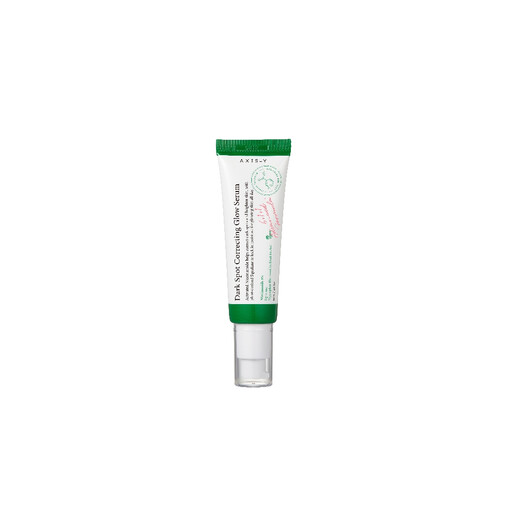
Why it suits this profile: Its gel-like texture, 50 ml size and 5% niacinamide make this a straightforward option for starting a daily routine.
The stated niacinamide concentration is clearly specified. Even so, check the full INCI list on the packaging.
Lightweight texture, Squalane and plant extracts; described as suitable for all skin types.
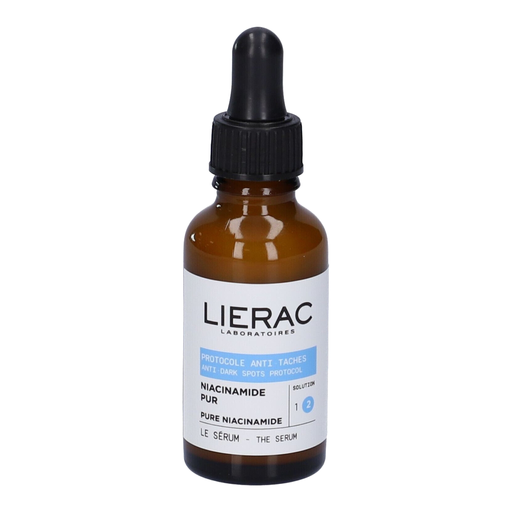
Why it suits this profile: If you’re looking for a fluid texture that absorbs quickly, combining niacinamide with a vitamin C derivative, this is a clearly described face serum.
The product description names the key active ingredient groups and also flags Parfum in the ingredient list.
30 ml, niacinamide, Ascorbyl Glucoside and Squalane; described by the supplier as suitable for sensitive and all skin types.
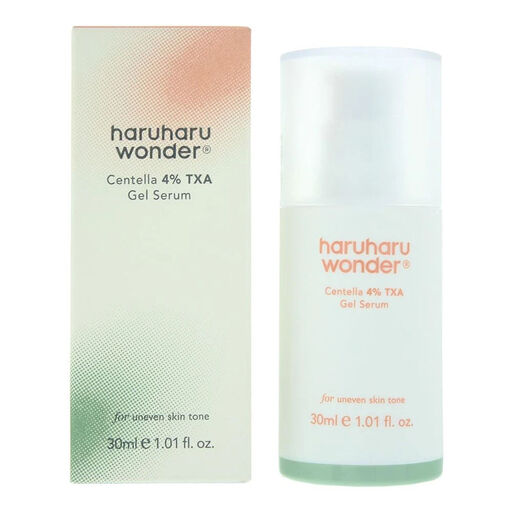
Why it suits this profile: This serum is aimed at people specifically looking for tranexamic acid and Centella Asiatica who prefer a lightweight K-beauty texture that absorbs quickly.
The advertised TXA concentration is clearly specified. Even so, check the full INCI list before buying and each time you reorder.
4% tranexamic acid according to the product description, Centella Asiatica and a serum texture suited to layering.
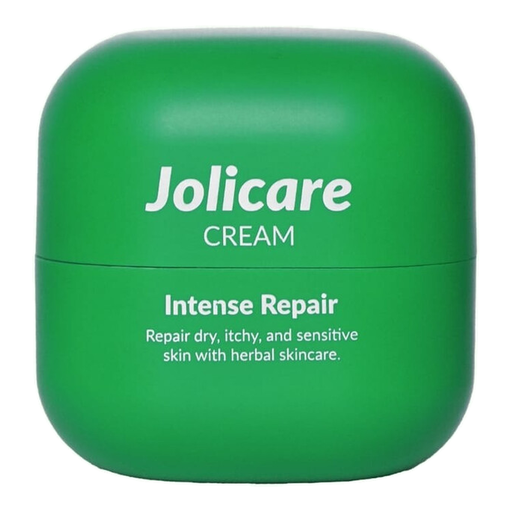
Why it suits this profile: According to the instructions, apply the cream directly to affected areas or problem spots as the final step in your skincare routine.
Targeted application means there’s no need to spread a spot treatment over a larger area than necessary. The formula includes niacinamide and Centella Asiatica extract, among other ingredients.
20 ml, targeted application, plus Calamine, niacinamide, Tea Tree and Centella Asiatica ingredients according to the INCI list.
We’ve put together a complete, regularly updated list of products that meet these strict selection criteria and fully comply with the safety regulations in force in the EU.
Following a simple order can make your routine easier to manage:
Don’t start using several highly active products at the same time. Stop using a product if you experience persistent redness, swelling, severe stinging or discomfort. Any skin changes that develop quickly, look unusual or don’t heal should be assessed by a medical professional.
It depends on the formula, your skin’s condition and how regularly you use it. An immediate effect isn’t a reliable way to choose a product. Monitor how your skin responds over several weeks and follow the manufacturer’s guidance. Stop using the product if your skin gets worse or becomes irritated.
This generally depends on the individual formulas and how well your skin tolerates them. Many products already contain both active ingredient groups. If you’re combining two separate products, start with a small amount and use them less often at first. If you have sensitive skin, it’s best to introduce them gradually.
Skincare for acne marks may help improve the appearance of flat discolouration left behind by blemishes. Deeper scars and inflammatory skin changes are different and should be assessed by a dermatologist. A serum is not a substitute for medical treatment.