
Lieferung heute & morgen

Qualitätsgarantie

Willkommens-Angebote freischalten: KOSTENLOSE Lieferung | Bis zu 80 % RABATT | Kostenlose 30-Tage-JoyPlus-Testphase
App herunterladen
Sensitive, dry or reddened skin doesn’t react the same way to every face serum. One product may feel lightweight but still contain alcohol, fragrances or several potentially irritating ingredients. Other formulations promise a quick “repair” of the skin barrier, yet mainly deliver a pleasant skin feel without the right nourishing components.
As a Joybuy Product Recommendation Officer, I filter the most important product information according to clear, traceable criteria. This way, you can choose a serum to soothe and support the skin barrier without relying solely on marketing claims.
A high percentage sounds convincing, but it says little about the overall formulation. A Cica serum with plenty of Centella asiatica may be interesting for some skin types. However, the other ingredients, the texture and how often you apply it all remain crucial.
This label isn’t consistently defined in everyday use. So always check the INCI list for Parfum, essential oils, Alcohol Denat. and any known personal intolerances. Even an alcohol-free or fragrance-free product can’t be guaranteed to suit you if you have individual sensitivities.
A hydrating face serum provides water-binding agents such as glycerin, panthenol or hyaluronic acid, depending on the formulation. A cream can then help lock that moisture into the skin. If you only use a thin serum, you may not get enough nourishment for very dry skin.
For a skin barrier serum, different groups of ingredients can be useful:
The effect depends on the overall recipe. A single ingredient is not a reliable indicator of a specific skin reaction.
If you’re looking for a soothing serum for sensitive skin, don’t just read the product description for buzzwords. The Beauty of Joseon Calming Serum, for example, is stated to be fragrance-free. According to its INCI list, the SKIN1004 Madagascar Centella Hyalu-Cica Blue Serum contains Centella water, several forms of hyaluronic acid, panthenol and Ceramide NP.
The Medicube PDRN Pink Collagen Exosome Shot Serum 2000, on the other hand, lists Alcohol in its ingredients. That doesn’t make the product unsuitable outright, but it is a relevant point to check for anyone with a personal sensitivity to alcohol.
Most serums are applied after cleansing and, if used, after toner. Two to three drops or a small amount are often enough for the face; always follow the manufacturer’s instructions. Also pay attention to:
With a serum for redness, you should first do a patch test on a small area of skin. Persistent, severe or unclear skin changes should be checked by a doctor.
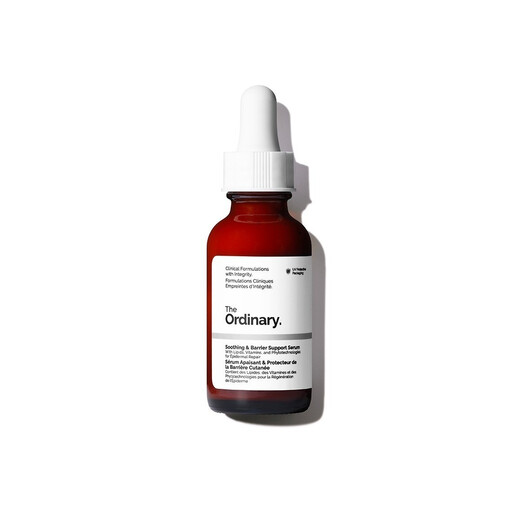
Why this product fits the profile: The 30 ml size and the combination of niacinamide, bisabolol, lipids and plant-derived ceramides make it suitable for beginners who want to combine several skincare aspects in one serum.
The stated INCI list makes the key components clear, rather than just promoting a single trendy ingredient.
30 ml content; niacinamide, bisabolol, lipids and plant-derived ceramides in a multifunctional formulation.
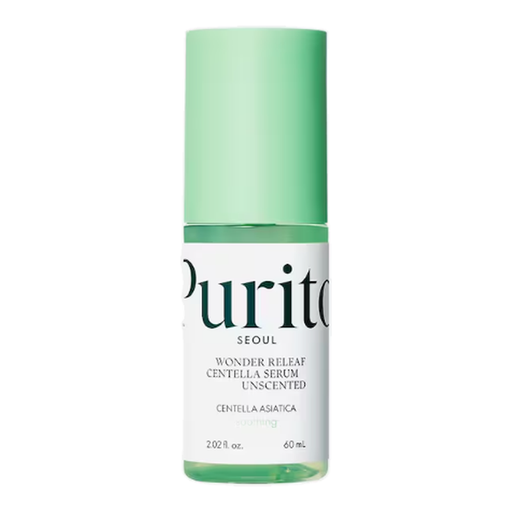
Why this product fits the profile: The “Unscented” variant appeals to shoppers who value a fragrance-free approach and a detailed ingredient list in a Korean skincare serum.
The “Unscented” label reduces a common selection error: fragrance preferences are not confused with skincare performance.
60 ml content; Centella asiatica, Ceramide NP, niacinamide, panthenol and hyaluronic acid in the stated formula.
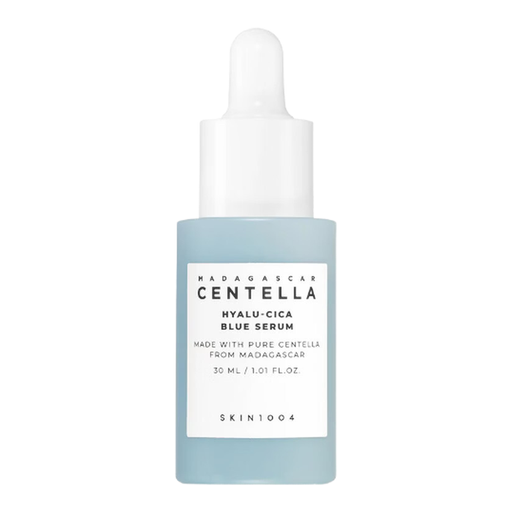
Why this product fits the profile: For dry skin and users who want to incorporate a lightweight, hydration-focused serum into their morning and evening routine.
The combination of Centella, several forms of hyaluronic acid, panthenol and Ceramide NP can be verified against the stated INCI list.
Water-gel texture; Centella water, five named forms of hyaluronic acid, niacinamide and Ceramide NP.
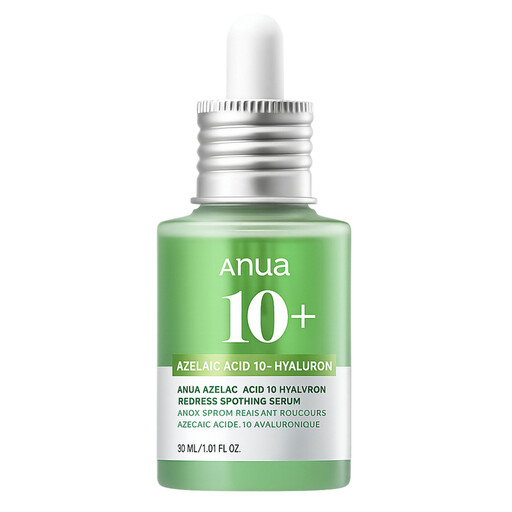
Why this product fits the profile: The formula is aimed at people looking for a serum to tackle redness with azelaic acid, panthenol, hyaluronic acid and Cica components.
The stated concentration of 10% azelaic acid is clearly named. The recommended gradual application takes into account that active formulations aren’t immediately suitable for every skin type.
10% azelaic acid; plus panthenol, hyaluronic acid, beta-glucan, Centella and Ceramide NP according to product details.
We’ve put together a full, regularly updated list of products that fully meet these strict selection criteria and the safety regulations in force in the EU.
A simple formulation with humectants such as glycerin, panthenol or hyaluronic acid can be a good starting point. For very dry skin, you should follow up with a cream. Fragrances and alcohol should be checked on an individual basis.
Many products are intended for daily use, both morning and evening. With active ingredients like azelaic acid, it’s wise to start slowly. The instructions on the packaging and your personal skin tolerance are what matter most.
The shelf life depends on the printed best-before date, the period-after-opening symbol and the storage instructions. Keep the serum closed, dry and protected from direct sunlight. If the smell, colour or consistency changes noticeably, you should stop using the product.