
Lieferung heute & morgen

Qualitätsgarantie

Willkommens-Angebote freischalten: KOSTENLOSE Lieferung | Bis zu 80 % RABATT | Kostenlose 30-Tage-JoyPlus-Testphase
App herunterladen
Fine lines, dry skin, dark circles and morning puffiness can have various causes. So an eye cream for wrinkles shouldn’t be chosen based solely on claims on the packaging or a prominent-sounding ingredient. What matters is the formula, how well your skin tolerates it and what your skin actually needs.
When shopping for an anti-ageing eye cream, you’ll often come across three common pitfalls:
Choose your eye care based on what you’d like it to do:
When choosing an eye cream for sensitive skin, it’s worth checking the full INCI list. A product being free from alcohol, parabens or artificial fragrance doesn’t automatically mean it will suit everyone. Plant extracts and essential oils can also trigger reactions in some people.
Pay particular attention to:
Test new products on a small area of skin first. Stop using the product if you experience stinging, redness or persistent irritation. Keep the cream out of your eyes.
You usually only need a small amount of cream for the eye area. Gently pat it on with your ring finger, without pulling at the skin. Many products are used in the morning and evening, while retinol or retinal products should initially be applied on just a few evenings.
Before buying and after opening, check:
The products below vary in their ingredients, texture and how they’re used. The details are based on the individual product descriptions and aren’t a substitute for personalised dermatological advice.
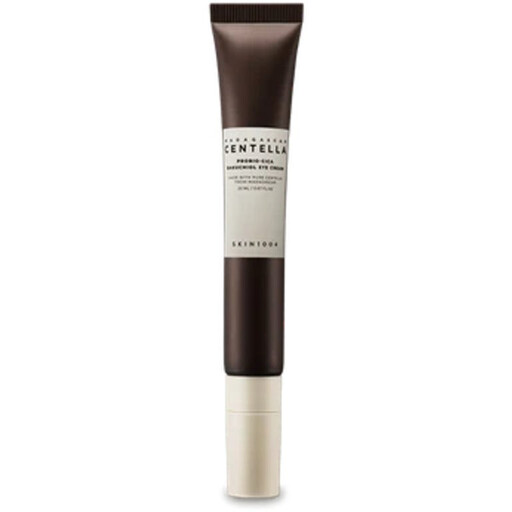
Why it suits this profile: The combination of bakuchiol, fermented Centella Asiatica and a lightweight cream texture makes this an interesting option if you’d like to try targeted eye care without using retinol.
Its focus on bakuchiol is clearly stated, and the description also mentions hydration and a non-sticky texture. Check the full INCI list before buying.
20 ml; contains bakuchiol and Centella Asiatica ingredients. According to the product description, it’s intended for morning and evening use.
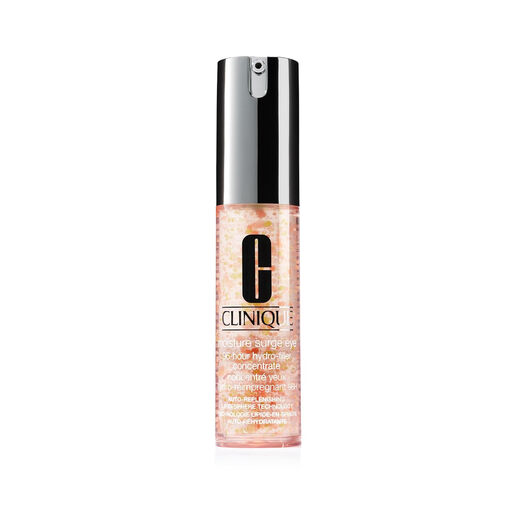
Why it suits this profile: Its water-gel texture and the described blend of glycerin, hyaluronic acid, vitamin E and other skincare ingredients make it a good fit for a straightforward hydration routine.
The product description clearly outlines the texture, how to use it and its ingredients. If you have sensitive skin, check the INCI list for colourants and preservatives.
15 ml, a lightweight gel texture and targeted hydration. According to the product information, the gel can also be used as a quick skincare mask.
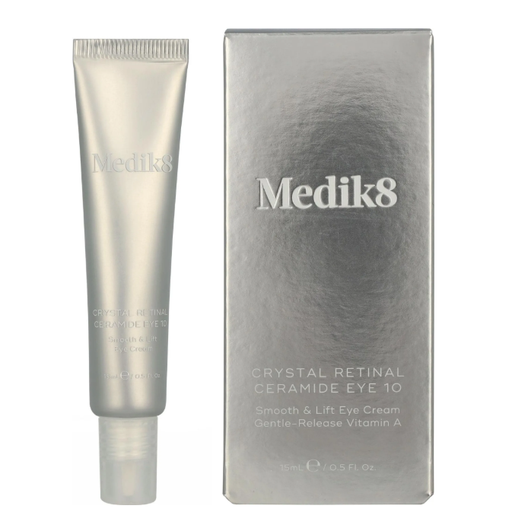
Why it suits this profile: Designed for evening use, this formula combines encapsulated retinal, ceramide, shea butter, squalane and hyaluronic acid. It’s suited to anyone who prefers a structured active-ingredient routine.
The description includes a gradual introduction plan, helping you avoid applying a retinal product every day and in large amounts from the outset.
Retinal, ceramides, hyaluronic acid and squalane in an overnight treatment. The product information recommends using sunscreen during the day.
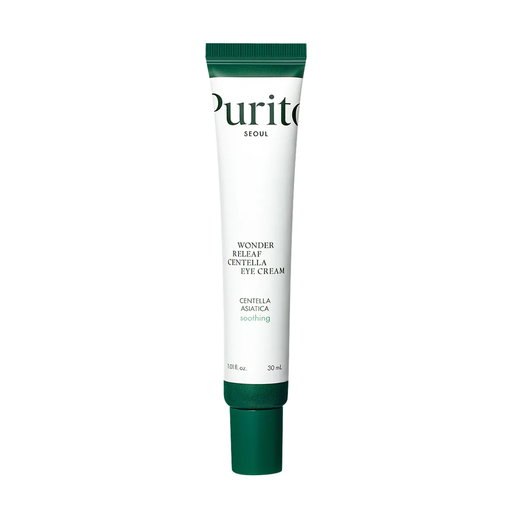
Why it suits this profile: Centella Asiatica, panthenol, ceramides and hyaluronic acid make this an interesting formula if hydration and a comforting texture matter more to you than a potent active ingredient.
The description lists several ingredients and, according to the product information, the formula is free from artificial fragrance, parabens, ethanol, PEG and silicones. However, do take note of the fragrance oils it contains.
30 ml; contains Centella Asiatica extract, hyaluronic acid, peptides and ceramides. The description recommends using it in the morning and evening.
We’ve put together a complete, regularly updated list of products that meet these strict selection criteria and fully comply with the safety regulations in force in the EU.
It depends on the formula. Moisturising products without retinoids are often used in the morning and evening. If you’re using retinol or retinal, it’s best to introduce it gradually and apply it in the evening. Always follow the manufacturer’s instructions and use sunscreen during the day.
Eye cream can temporarily improve the appearance of dry or tired-looking skin. However, dark circles can be caused by genetics, pigmentation or facial anatomy. Puffiness may be due to lack of sleep, allergies or fluid retention, among other things. Skincare products can’t reliably address these underlying causes.
If you use a small amount each time, 10 to 30 ml will often last for several weeks or months, depending on how often you apply it. The amount you use, whether you apply it to both eyes and the product’s shelf life after opening all make a difference. Check the symbol on the packaging and store the product according to the manufacturer’s instructions.