
Lieferung heute & morgen

Qualitätsgarantie

Willkommens-Angebote freischalten: KOSTENLOSE Lieferung | Bis zu 80 % RABATT | Kostenlose 30-Tage-JoyPlus-Testphase
App herunterladen
Pigmentation, sun spots and dark marks left behind by acne can make the complexion appear uneven. The right serum for pigmentation should therefore do more than visibly brighten the skin—it should also suit your skin sensitivity, texture preferences and daily skincare routine. Options range from vitamin C serums and alpha-arbutin serums to soothing niacinamide and glutathione formulas.
What matters, however, is not the most eye-catching claim on the packaging, but the formula itself. The following criteria make it easier to assess a facial serum for hyperpigmentation objectively.
A percentage figure alone says little about tolerance or suitability for everyday use. Pure vitamin C, glycolic acid or several active ingredients may be too intense for some skin types. For sensitive or blemish-prone skin, introducing products gradually is often more sensible than combining several potent formulas at once.
Cosmetic serums can help improve the appearance of the complexion. They are not a substitute for dermatological assessment, particularly if a spot changes, bleeds or develops an irregular shape.
A serum for dark spots cannot be integrated effectively into a routine if the skin remains unprotected during the day. UV exposure can encourage the formation of visible discolouration. A broad-spectrum sunscreen with a suitable SPF should therefore be applied every morning after skincare. This step is particularly important when using acids or pure vitamin C.
Even a Brightening Serum described as gentle may contain fragrance, essential oils, acids or potentially irritating botanical extracts. Before buying, it is worth checking the current ingredient list on the packaging. Product information may vary between batches.
When choosing a serum for a more even complexion, the key active ingredient is the first useful point of reference:
The concentration should be considered alongside your existing routine. If you already use exfoliants or retinoids, avoid introducing several new active ingredients at the same time.
For a serum for sensitive skin, a streamlined formula with as few potential irritants as possible is a practical selection criterion. Fragrance-free products may be particularly appealing to people who react sensitively to perfume or essential oils.
The α-Arbutin 2 Pigment Care Serum is described as fragrance-free and also contains panthenol, tranexamic acid, niacinamide and several forms of hyaluronic acid. The Beauty of Joseon Glow Deep Serum Rice + Alpha-Arbutin is likewise listed as free from fragrance and essential oils.
By contrast, the SKINFOOD Rice Brightening Serum contains fragrance according to its INCI list. The Some By Mi serum lists fragrance and limonene. Such products are not automatically unsuitable, but anyone with a known fragrance sensitivity should assess them carefully.
A lightweight, fast-absorbing serum is generally easy to apply under moisturiser or makeup. Dry skin can also benefit from glycerin, panthenol, squalane, ceramides or hyaluronic acid. Pure vitamin C should be stored away from light and air in a carefully sealed container, as its colour and stability may change over time.
Before applying a product over a larger area for the first time, a patch test on a small area of skin is recommended. If burning, redness, itching or persistent irritation occurs, discontinue use.
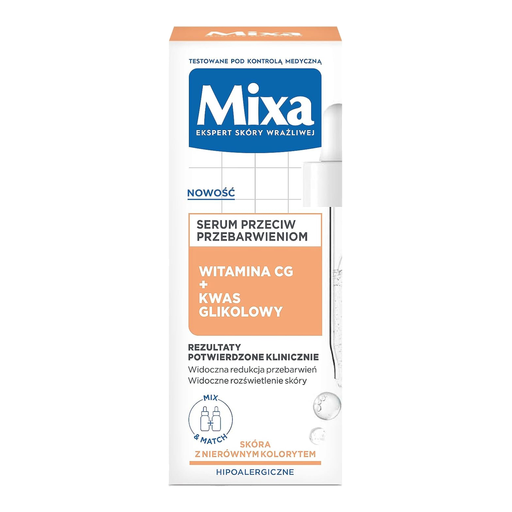
Why This Fits Their Persona: An accessible option for people looking for a vitamin C serum with added hydration for their daily routine.
The INCI list points to ascorbyl glucoside rather than pure ascorbic acid, along with glycolic acid. This makes it easier to assess the active-ingredient profile clearly.
Glycerin, sodium hyaluronate and niacinamide; listed for use morning and evening. Contains fragrance.
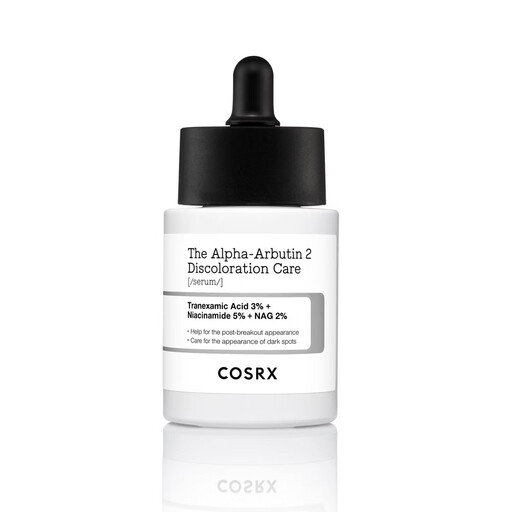
Why This Fits Their Persona: A lightweight Korean skincare option for people who want to combine alpha-arbutin with barrier-supporting hydration.
The stated active-ingredient combination is easy to understand: 2% alpha-arbutin, niacinamide and tranexamic acid. The formula is described as fragrance-free.
50 ml; panthenol, five forms of hyaluronic acid and a fast-absorbing, non-sticky texture according to the product description.
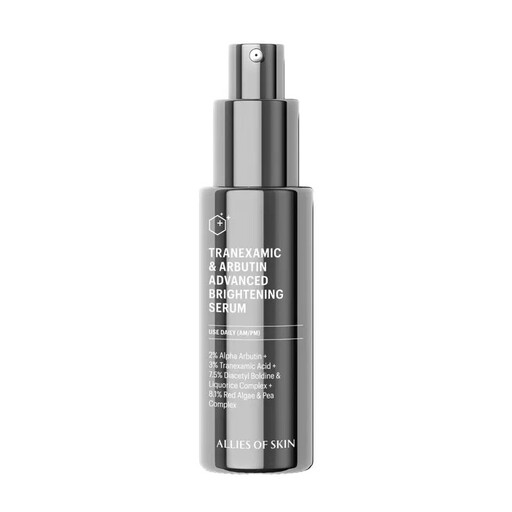
Why This Fits Their Persona: For users who prefer multiple clearly identified active ingredients in a fluid formula that layers easily.
The product information lists 3% tranexamic acid and 2% alpha-arbutin. Daily sun protection is explicitly recommended.
30 ml; also includes a licorice-root complex and a red-algae and pea complex. Suitable for sensitive skin and the eye area according to the product information.
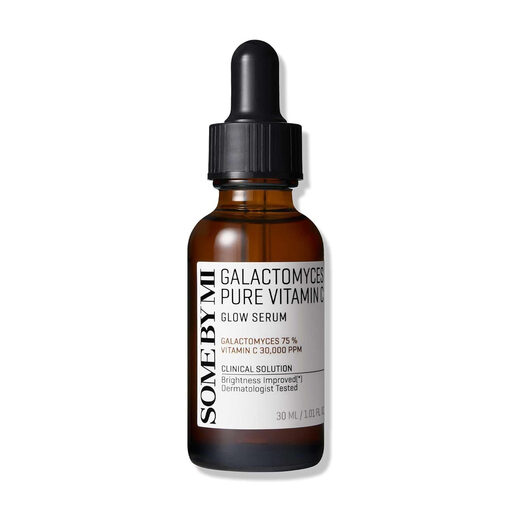
Why This Fits Their Persona: Suitable for people who want to use a vitamin C serum with fermented Galactomyces filtrate and build their routine gradually.
The formula contains 3% pure ascorbic acid. A patch test, gradual introduction and storage away from light are therefore particularly important.
30 ml; also contains niacinamide, adenosine, allantoin and sodium hyaluronate. Lists fragrance and limonene according to the INCI.
The complete selection of glutathione serums makes it easier to compare products by active ingredients, skin type, texture and skincare goals.
After cleansing and, if desired, applying toner, distribute a few drops over the face and neck. Follow with moisturiser. In the morning, a suitable sunscreen should be the final step in your skincare routine. It is best to introduce new products one at a time so that any reactions can be identified more easily.
For dry skin, a serum containing glycerin, panthenol, ceramides or hyaluronic acid may feel more comfortable. Lightweight gel textures are often more practical for blemish-prone skin. Mature skin may benefit from combining hydration with complexion-refining active ingredients, without layering several intensive products.
Visible cosmetic changes generally do not occur after a single application. A consistent routine over several weeks is advisable as long as the product is well tolerated. The results you perceive depend on factors including the starting condition of the skin, UV exposure and the rest of your skincare routine.
This depends on the specific formula and your individual skin tolerance. Beginners are advised to use one product on its own at first. For sensitive skin, vitamin C, glycolic acid and other active skincare products should not be combined without an adjustment period.
The printed best-before date, batch number and period-after-opening symbol on the packaging are authoritative. Vitamin C products should be stored in a cool, dry place away from direct light, in accordance with the manufacturer’s instructions. A pronounced change in colour or smell is a reason to stop using the product.