
Lieferung heute & morgen

Qualitätsgarantie

Willkommens-Angebote freischalten: KOSTENLOSE Lieferung | Bis zu 80 % RABATT | Kostenlose 30-Tage-JoyPlus-Testphase
App herunterladen
A stylish serving board transforms simple snacks into a culinary highlight. Whether for a cozy get-together with friends, a family celebration, or a quiet evening for two, the right presentation of cheese, charcuterie, fruit, or tapas elevates any meal. However, the market is overwhelming, and not every board that looks good is practical for everyday use. Before you make a decision, it's important to know the most common pitfalls, which often only become apparent after the purchase.
As your Joybuy Product Recommendation Officer, I'll help you distinguish marketing hype from genuine quality features. This guide focuses on the crucial criteria to help you find a serving board that not only looks great but is also durable and functional.
Many buyers focus solely on appearance, overlooking critical functional flaws. These three mistakes often lead to disappointment:
To avoid a bad purchase, you should focus on three objective parameters. These will help you assess the quality and suitability of a serving board for your needs.
The material determines not only the look but also the durability, maintenance, and hygiene.
Consider what you will primarily use the board for.
The longevity of your serving board depends heavily on proper care. Most high-quality boards made of wood, bamboo, or slate are not dishwasher-safe. The heat and aggressive detergents can cause the material to swell, warp, or crack. Hand washing with a damp cloth and mild soap is the recommended method.
Here is a selection of products tailored to specific needs that meet the criteria mentioned above.
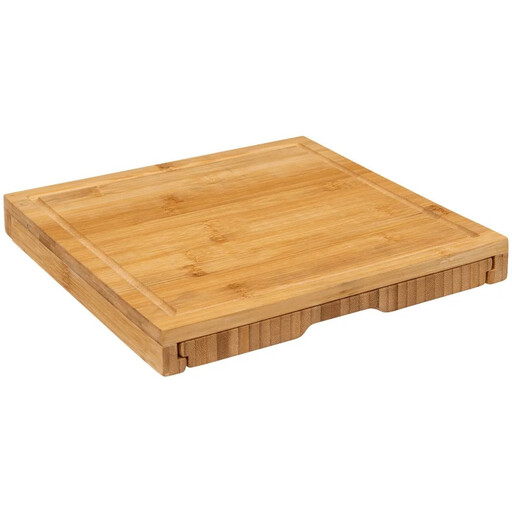
Why it's a great fit: Ideal for those who love to entertain and are looking for an all-in-one solution. This cheese board set offers a generous surface, and the integrated drawer keeps the necessary cutlery always within reach and neatly stored.
The integrated drawer prevents the problem of impractical, jamming mechanisms and keeps accessories where they belong, rather than lying around loosely.
Multifunctional set with four different cheese knives. The sturdy bamboo wood is durable and easy to clean.
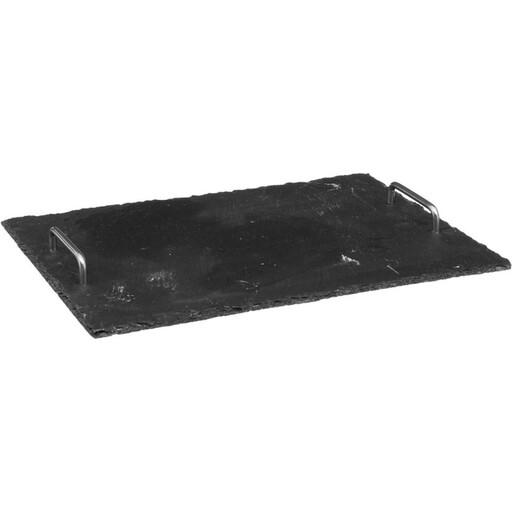
Why it's a great fit: For anyone who values a modern and minimalist table setting. The dark, matte surface of the slate creates an elegant contrast with colourful foods like cheese, fruit, or sushi, becoming an eye-catcher on any table.
This board is clearly designated as a serving platter, not a cutting board. The non-slip feet (according to product features) prevent scratching of surfaces, a common problem with slate boards.
Generous dimensions (40 x 30 cm) provide ample space for creative arrangements. The practical carrying handles make transport easy.
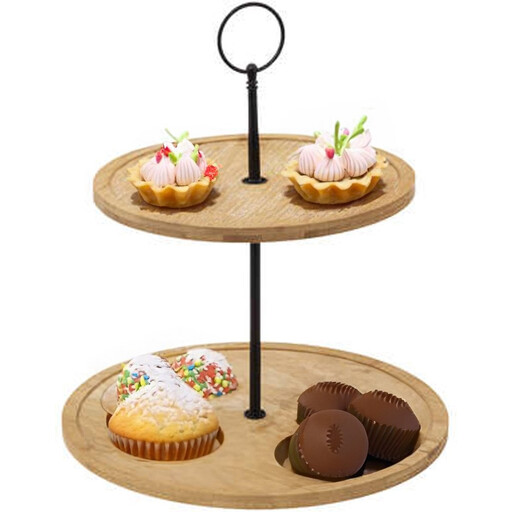
Why it's a great fit: Perfect for smaller tables or when a wide variety of food needs to be presented in a limited space. The étagère utilises vertical space, freeing up room for main dishes while snacks, pastries, or fruit are arranged on its two tiers.
Instead of choosing an oversized platter that takes up the entire table, this product elegantly solves the space problem through vertical arrangement.
Multifunctional for food, pastries, or chocolates. The combination of bamboo wood and metal ensures a stable construction and an appealing look.
We have compiled a complete, up-to-date list of products that fully meet these strict selection criteria and comply with German safety regulations.
Wood and bamboo boards should be wiped with a damp cloth immediately after use, with a little mild soap if necessary. Never let them soak in water and allow them to air dry upright to prevent warping. For maintenance, a wooden board should be regularly (approx. every 4-6 weeks) treated with a food-safe mineral oil. Slate boards can also be wiped damp. Stubborn grease stains can often be removed with a little dish soap.
No. A pure serving board, especially one made of soft wood, glass, or treated slate, is not intended for cutting and would scratch quickly. However, a sturdy wooden cutting board made of hardwood (e.g., acacia, oak) or a bamboo cutting board can be used for both. Pay attention to the product description, which often distinguishes between a "serving platter" and a "cutting board".