
Lieferung heute & morgen

Qualitätsgarantie

Willkommens-Angebote freischalten: KOSTENLOSE Lieferung | Bis zu 80 % RABATT | Kostenlose 30-Tage-JoyPlus-Testphase
App herunterladen
The artful presentation of food is an essential part of gracious hosting. Whether for a festive cake, savoury appetisers, or as a decorative centrepiece on the dining table, the right serving plate expertly showcases your culinary creations. However, with the vast array of materials, sizes, and designs available, making a choice can be a challenge.
This guide offers practical advice to help you find the perfect serving plate for your needs. We will explore key functional criteria and present a selection of different models suitable for various occasions.
Before making a decision, there are a few fundamental aspects to consider. These will help ensure the product's functionality and durability.
The material determines not only the aesthetic but also the primary application.
Always check the manufacturer's specifications to determine if the plate is intended purely as a decorative plate or for direct contact with food.
Size is a crucial criterion. A 33 cm charger plate has become established as a versatile standard. This size provides enough surface area to serve as a base for main course dinnerware or to function as a large cake plate for cakes and pastries. A round serving plate is a timeless classic that blends harmoniously with most table settings.
Here is a selection of serving plates that stand out for their different materials and designs.
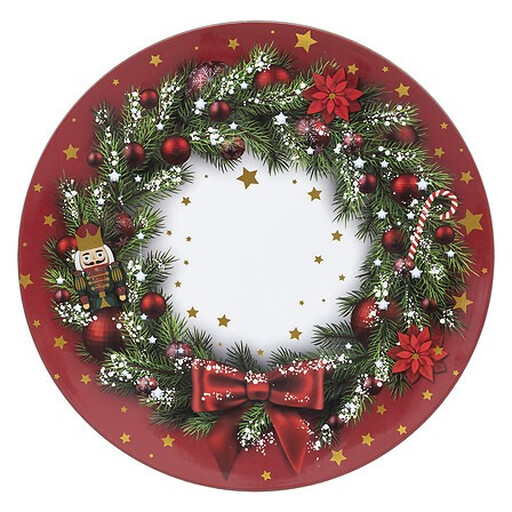
Why it stands out: This ceramic plate combines a vibrant red colour with a subtle crown motif. The glossy glaze gives it a premium appearance, making it an eye-catcher on any festive table.
Advantages:
Best for: Individuals looking for an elegant and decorative plate for serving cold foods like cake and pastries, or for use as a charger plate. It complements classic or festive table décor well.
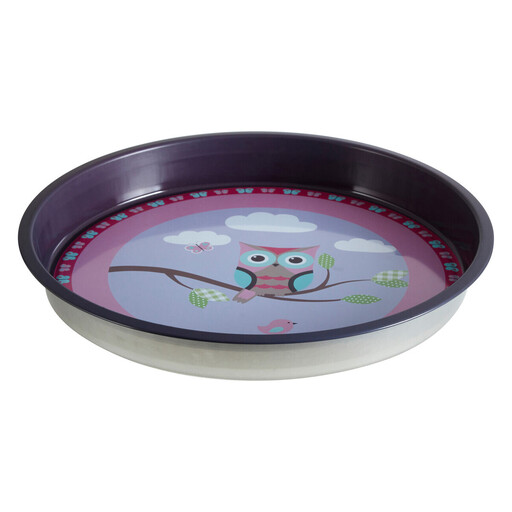
Why it stands out: This tin serving tray captivates with its playful owl motif. The practical, raised edge makes it a functional platter for drinks or for foods that might easily slide.
Advantages:
Best for: Hosts looking for a practical yet decorative solution for parties or everyday use. Ideal for serving drinks, snacks, or as a colourful party plate.
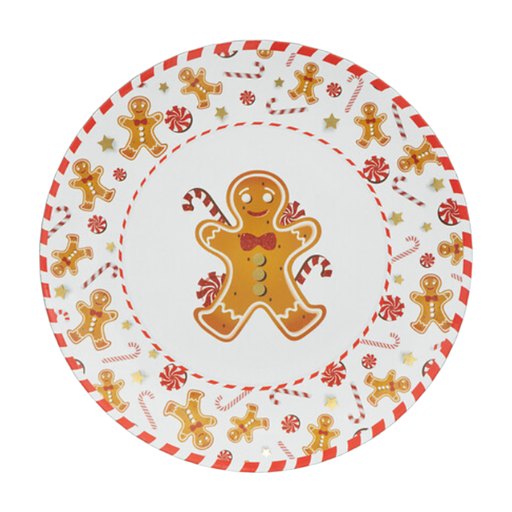
Why it stands out: With its festive gingerbread design, this plate is specifically designed for the Christmas season. Its lightweight material makes it easy to handle, especially during large gatherings.
Advantages:
Best for: Anyone looking for a thematically appropriate and straightforward serving solution for the holidays. Its durability also makes it a great choice for households with children.
The products featured here represent a range of styles and materials. However, if you have more specific requirements or need a wider selection for professional use, it's worth exploring other models.
Discover our extensive selection of commercial serving platters and find the perfect product for your needs.
A charger plate primarily serves as a decorative element placed underneath the actual dinner plate. It is typically larger and frames the place setting. A serving plate, also known as a presentation plate or platter, is used directly for offering food such as cakes, cheese, or appetisers. Many models with a 33 cm diameter can fulfil both functions.
No, not every plate is suitable for direct contact with food. Purely decorative plates, in particular, may contain materials or lacquers that are not food-safe. It is crucial to check the product description and manufacturer's specifications. Materials like ceramic, food-grade polypropylene, or specially coated metal are generally safe.
The cleaning method depends on the material. Ceramic and plastic plates can usually be hand-washed with warm water and mild washing-up liquid. Information on dishwasher suitability can be found in the manufacturer's specifications. For all materials, abrasive cleaners should be avoided as they can scratch the surface and damage the design.