
Lieferung heute & morgen

Qualitätsgarantie

Willkommens-Angebote freischalten: KOSTENLOSE Lieferung | Bis zu 80 % RABATT | Kostenlose 30-Tage-JoyPlus-Testphase
App herunterladen
As a Joybuy Product Recommendation Officer, I see countless products every day. My job is to help you make the right choices for your home. An elegant presentation can transform a simple meal into a special experience. Choosing the right serving platter plays a crucial role, whether it's for a cosy family dinner, a party with friends, or simply to brighten up your everyday life.
This guide is designed to offer you clear direction. We'll look at essential features like material, shape, and purpose to simplify your choice and introduce you to some specific models.
Before you decide on a model, there are a few fundamental aspects to consider. The variety of materials and designs is vast, but not every platter is suitable for every purpose.
The material affects not only the look but also the handling and care of your serving platter.
The shape of your serving platter should suit the occasion and the food being served.
Here are three different models from our range that cater to various needs and style preferences.
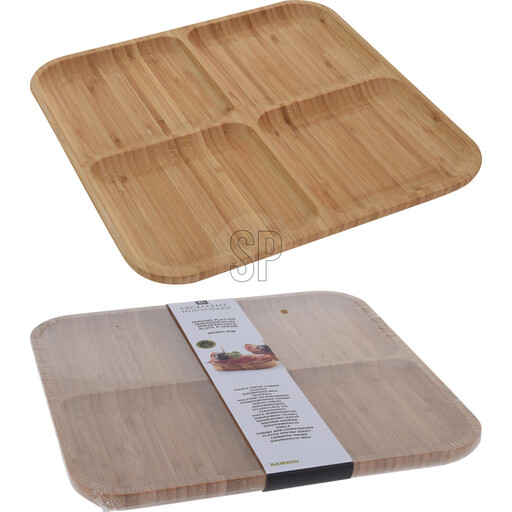
Why It Stands Out: This model from Excellent Houseware combines the natural aesthetic of bamboo with a thoughtful, functional design. The four compartments allow for a clean and organised presentation of different foods.
Pros:
Who It's For: For hosts who enjoy offering a variety of small bites and value an organised display. Ideal for social gatherings where different tastes come together. Note the care instructions: The platter is not dishwasher-safe and should be washed by hand.
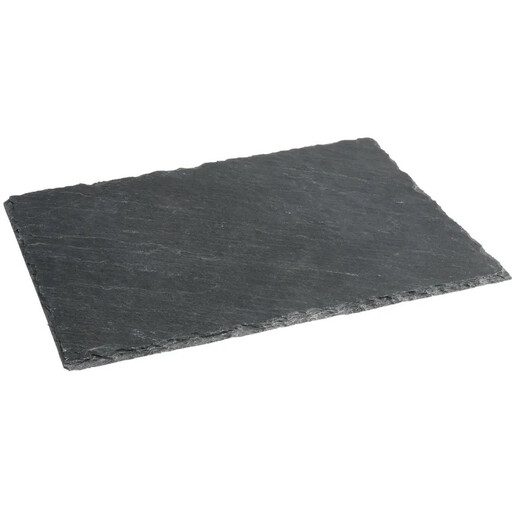
Why It Stands Out: The anthracite-coloured slate platter from Secret de Gourmet captivates with its minimalist elegance. The natural chipped edge gives each piece a unique character and showcases food in style.
Pros:
Who It's For: For lovers of a modern and purist interior design style. Anyone looking for an understated yet effective stage for their culinary creations will find a fitting solution here. According to the manufacturer, the material is BPA-free.
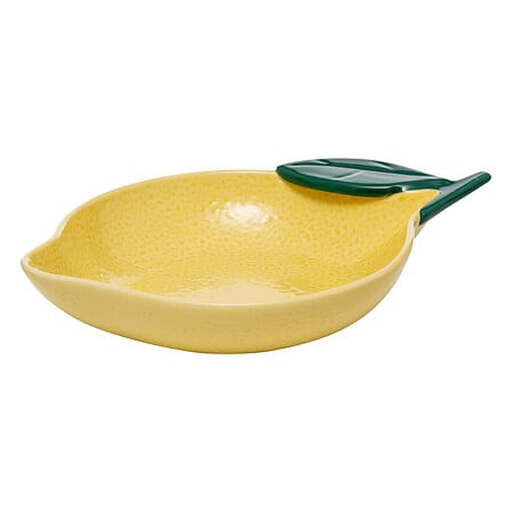
Why It Stands Out: This serving platter is a real eye-catcher. The whimsical lemon shape and vibrant yellow colour bring a cheerful, summery atmosphere to the table.
Pros:
Who It's For: For anyone who delights in unique serveware and wants to surprise their guests. Perfect for summer parties, dessert buffets, or as a fruit bowl.
The models presented here already cover a broad spectrum. However, if you need a platter with a higher rim for dishes with sauces or salads, a deep serving platter could be the right choice. Explore our diverse selection of serveware to find the perfect addition to your home.
1. How do you clean a wooden or slate serving platter? A wooden serving platter should never be put in the dishwasher. After use, wipe it with a damp cloth and mild dish soap, then dry it thoroughly immediately. Occasional rubbing with a food-safe wood conditioning oil will keep the surface smooth and protected. A slate serving platter can also be cleaned with water and dish soap. To maintain its rich colour, it can be occasionally rubbed with a few drops of cooking oil.
2. Can you cut directly on a slate platter? It is not recommended to cut directly on slate with sharp knives. This can damage both the knife blade and the platter's surface, leaving unsightly scratches. Slate is primarily intended for arranging and serving food.
3. What material is best suited for a cheese board? Wood and slate are classic materials for a cheese board. Wood is gentle on blades and offers a rustic look. Slate provides an elegant presentation, and its cool surface helps keep the cheese fresh for longer. Ultimately, however, the choice is also a matter of personal taste.