
Lieferung heute & morgen

Qualitätsgarantie

Willkommens-Angebote freischalten: KOSTENLOSE Lieferung | Bis zu 80 % RABATT | Kostenlose 30-Tage-JoyPlus-Testphase
App herunterladen
Choosing a serving platter is a decision that impacts both the aesthetics of your presentation and the practical handling of food. The material, dimensions, and surface finish are technical parameters that define a platter's functional utility. Whether for a cheese board, a tapas board, or a general serving platter, the physical properties of the material determine its suitability for specific foods and occasions. This guide analyses the key criteria for selecting a serving platter that is both functional and visually appealing.
Your choice of serving platter should be based on an analysis of material properties, form factor, and maintenance requirements. Each material offers specific advantages and disadvantages regarding thermal conductivity, porosity, and durability.
Slate Serving Platter: Slate is a sedimentary rock with a characteristic, naturally riven surface. Its dark, typically anthracite hue provides a high visual contrast to light-coloured foods like cheese or pastries. A key feature is its ability to retain temperature. A pre-chilled slate serving platter will keep cheese, charcuterie, or desserts cool for longer. The material is naturally brittle and can break from impacts or when placed on uneven surfaces. Its porous surface can absorb fats and liquids, so regular treatment with a food-safe oil is recommended to reduce staining.
Marble Serving Platter: Marble is a metamorphic rock prized for its smooth surface and unique veining. Similar to slate, marble has a high thermal mass and retains cold well, making it ideal for presenting pastries, chocolate, or cold appetisers. A marble serving platter is typically heavy, giving it a stable base on the table. However, the material is also porous and susceptible to acids (e.g., from citrus fruits or wine), which can etch the surface and leave dull spots. It should therefore be cleaned without acidic agents.
Wooden Serving Board: Wood, especially hardwoods like acacia or oak, is a classic material for a serving board. A wooden serving board offers a warm, natural aesthetic. Unlike stone, wood is less brittle and more forgiving to knife blades, which also makes it suitable for cutting. However, this will create cut marks over time. Wood is not dishwasher-safe and must be cleaned by hand. To protect the material from drying out and cracking and to maintain its water-repellent properties, regular care with a food-safe wood oil is necessary.
The platter's dimensions should be dictated by its intended use.
Look for functional details like integrated handles for secure transport or non-slip feet for a stable base.
Based on an analysis of material specifications and design features, we present three models here.
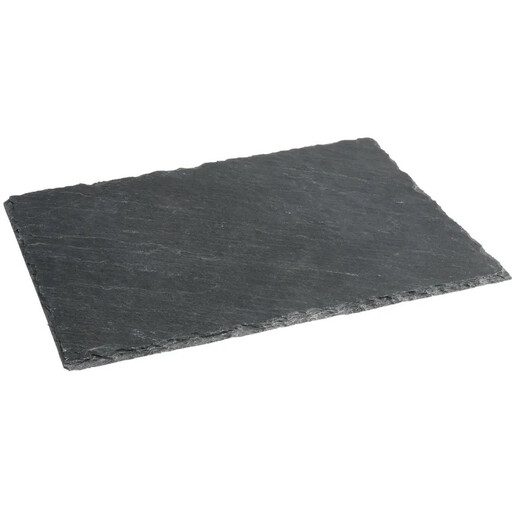
Why We Recommend It This model combines the classic aesthetic of slate with functional details. Measuring 24 x 32 cm, it offers a versatile surface for various presentation styles. The non-slip feet, as stated by the manufacturer, increase stability on smooth surfaces, and its BPA-free quality makes it suitable for direct contact with food.
Pros
Best For Hosts looking for a modern yet rustic presentation surface for cheese, tapas, or appetisers who value functional details like non-slip stability.
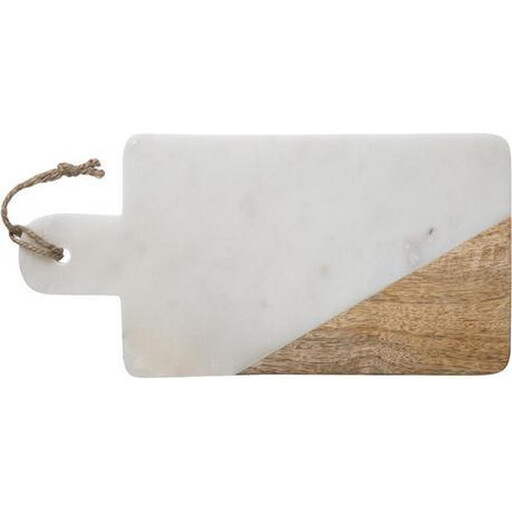
Why We Recommend It This decorative serving platter stands out with its combination of white marble and mango wood. The design allows for a visual separation of different foods. Measuring 30.5 x 15.2 cm, the platter is suitable for both serving and, with some limitations, for cutting on the wooden section. Its weight of 1.335 kg ensures a solid footing.
Pros
Best For Users seeking a visually striking piece that combines elegance and natural materials. Ideal for presenting smaller portions or as a stylish all-in-one cutting and serving board.
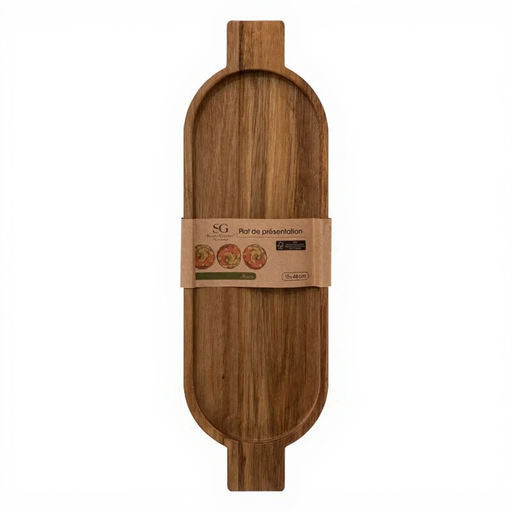
Why We Recommend It The most striking feature of this serving board is its elongated shape, measuring 15 x 48 cm. This geometry is predestined for arranging baguettes, long vegetables, or a series of small glasses and bowls. The acacia wood used is known for its hardness and durability. Weighing only 0.340 kg, the board is easy to handle despite its length.
Pros
Best For Hosts who frequently serve bread, antipasto skewers, or other long-format foods. Its elegant shape and durable material also make it an option for professional catering or larger events.
The choice of a serving platter depends heavily on individual preferences and the specific use case. If the models presented do not exactly meet your requirements for size, shape, or material, a wide variety of other designs are available.
For a more comprehensive overview of different designs and materials, browse our Serving Platters category.
1. How do you clean a slate serving platter? A slate platter should only be cleaned by hand with warm water and a mild washing-up liquid. It is not suitable for the dishwasher. To maintain its deep colour and make the surface less susceptible to grease stains, it can be periodically wiped with a thin layer of food-safe mineral oil.
2. Can you cut on a wooden serving board? Yes, you can cut on a wooden board. Wood is more forgiving than stone and is gentler on knife blades. However, cutting will leave visible marks on the wood's surface. These signs of use can be seen as part of a rustic patina. If you wish to preserve the flawless look of the surface, you should use the board primarily for serving.
3. Is a marble platter suitable for hot food? Marble is sensitive to sudden, extreme temperature changes (thermal shock). Placing a hot pot or casserole dish directly onto a cool marble platter can lead to cracks or discolouration. Marble platters are therefore primarily recommended for serving cold or room-temperature foods such as cheese, fruit, sushi, or desserts.
By the Joybuy Product Recommendation Officer