
Lieferung heute & morgen

Qualitätsgarantie

Willkommens-Angebote freischalten: KOSTENLOSE Lieferung | Bis zu 80 % RABATT | Kostenlose 30-Tage-JoyPlus-Testphase
App herunterladen
A serving platter should present food attractively while being reliable for everyday use. Yet many buying decisions quickly lead to unnecessary expense: a platter that's too small for several people, a material that can't handle moisture, or a decorative surface that's difficult to clean. That's why it's worth taking a close look at the intended use, dimensions and care instructions before you buy.
Metallic surfaces, natural stone or untreated wood can look striking. However, that doesn't automatically mean the serving platter is suitable for hot food, the dishwasher or regular transport. A decorative nickel platter, for example, should be cleaned with a soft cloth. According to the product details, it's not intended for the microwave, oven or freezer.
A small cheese board may be sufficient for two people, whereas a buffet or party platter needs considerably more space. Shape also matters: a narrow platter works well for baguette, antipasti or several small bowls, while a round one is better suited to cake, fruit or snacks placed in the centre of the table.
Wooden serving platters should often only be cleaned with a damp cloth and not soaked. Bamboo sometimes requires hand washing. Slate and marble are also delicate materials and can be damaged if knocked. If you're looking for a low-maintenance solution for family use, camping or catering, it's worth specifically searching for dishwasher-safe and stackable models.
Don't just check the external measurements – also consider the usable surface area and the height of the rim. A platter measuring 24 × 32 cm offers a different layout option than a narrow model at 15 × 48 cm. For drinks, a raised rim on a serving tray is useful as it can help prevent items from sliding and spilling.
As a rough guide:
A platter with compartments prevents different foods from mixing together. Three or four sections are practical for side dishes, fruit, sweets or dips. Handles are especially helpful when serving at the table, on the patio or while camping. If storage space is limited, stackable models can be a real advantage.
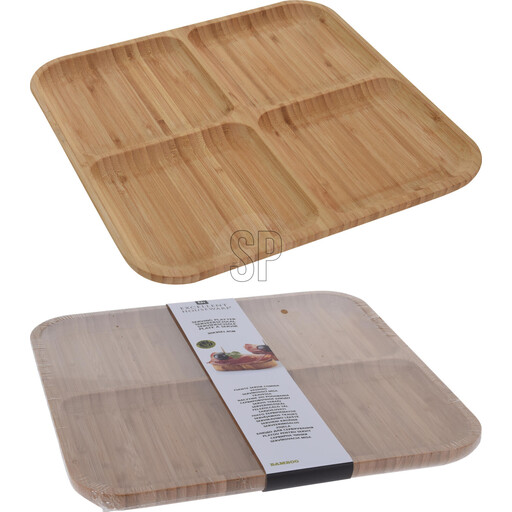
Why this product fits the profile: Four separate sections make it easy to arrange snacks, side dishes, desserts and dips without needing several small plates.
The fixed compartment layout prevents the selection from sliding around or mixing together on a large, unstructured surface.
Bamboo construction, natural look and four sections; hand washing is recommended according to the product details.
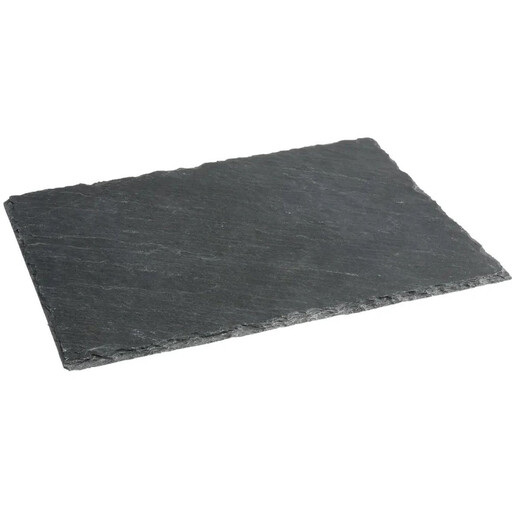
Why this product fits the profile: The rectangular slate platter offers a clearly defined surface for cheese, tapas and small starters.
The stated dimensions make the available surface area clear. The platter is marked as fragile and should not be stacked carelessly.
Anthracite slate, 24 × 32 cm, with non-slip feet according to the product description.
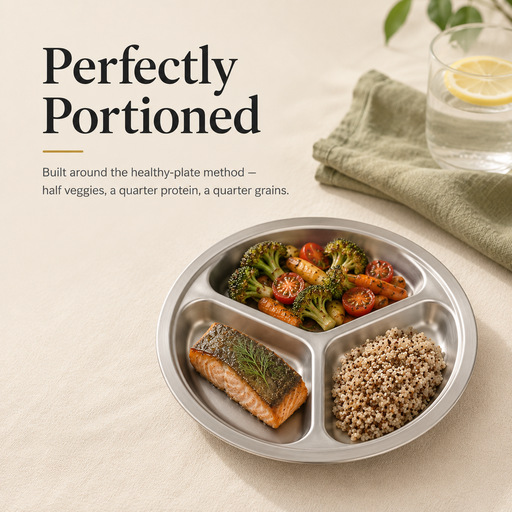
Why this product fits the profile: The set of two with three sections each is designed for families, camping enthusiasts, and catering or communal use.
The product details specify 304 stainless steel, a seamless construction and dishwasher suitability. Abrasive cleaners should still be avoided.
Two round plates, each 19.5 cm in diameter, three separate sections and suitable for camping and commercial use according to the product details.
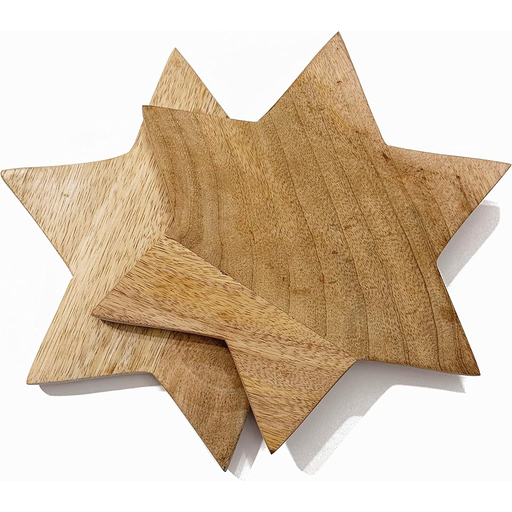
Why this product fits the profile: Two separate wooden trays with integrated handles are ideal for snacks, drinks, desserts and cheese boards for different occasions.
The integrated handles address the risk of unsafe transport. The care instructions clearly state to clean with a damp cloth and not to soak.
Set of two mango wood trays with sturdy handles and individual wood grain; not dishwasher-safe according to the product details.
We've put together a complete, regularly updated list of products that fully meet these strict selection criteria and the safety regulations in force in the EU.
Always check the manufacturer's instructions before first use. Wood, bamboo, marble and slate should generally not be soaked. For delicate surfaces, a soft cloth is recommended rather than a scouring pad. For hot food, you need to check whether the particular material is suitable. Glass and slate carry a risk of breakage; damaged platters should not be used further.
A sustainable serving platter isn't defined by the material name alone. What also matters is a suitable lifespan, repairability, low-maintenance care, and whether the platter will genuinely suit your needs in the long term.
Slate, wood and marble provide a firm surface for cheese, fruit and accompaniments. Make sure you choose adequate dimensions, non-slip feet and a cleaning method that suits your household. For several varieties or dips, a serving platter set with multiple pieces can be a good idea.
Many wooden serving platters are not intended for the dishwasher. Moisture and heat can warp the wood or damage the surface. Always refer to the specific care instructions for the product in question.
Lightweight, shatterproof materials such as polypropylene are ideal for taking on the go. Stainless steel is an option if you need robust, separate sections. Also check the weight, stackability, compartment layout and safe use with hot food.