
Lieferung heute & morgen

Qualitätsgarantie

Willkommens-Angebote freischalten: KOSTENLOSE Lieferung | Bis zu 80 % RABATT | Kostenlose 30-Tage-JoyPlus-Testphase
App herunterladen
A serving tray is far more than just a practical tool for carrying dishes. It's a central element of hospitality, a stylish decorative object, and an organizational powerhouse all in one. However, the selection is vast, and not every model lives up to its promise. Before you make a decision, it's crucial to understand the most common pitfalls, which often only become apparent after the purchase.
As your Joybuy Product Recommendation Officer, I'm here to help you separate the wheat from the chaff. We'll focus on the facts and show you what really matters when making your choice, ensuring your investment pays off in the long run.
Many trays look appealing in the store but prove to be impractical or short-lived in everyday use. Pay special attention to these three weak points:
To avoid buyer's remorse, you should base your decision on objective features. The following three points are crucial for the longevity and functionality of your new serving tray.
The material determines not only the look but also the maintenance and durability.
The design determines safety and comfort.
Think carefully about what you will primarily use the tray for.
Here are some recommendations tailored to specific use cases that meet the quality criteria mentioned above.
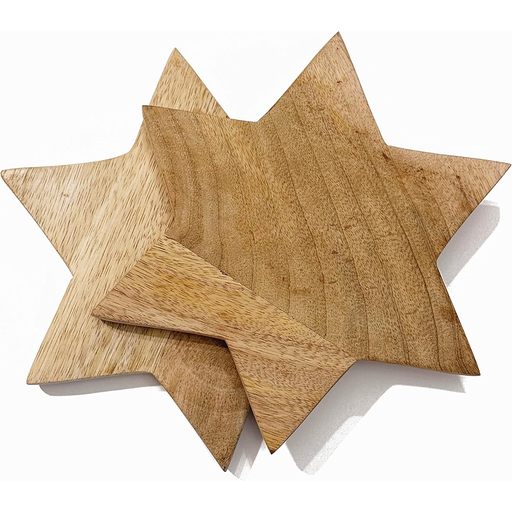
Why it's a great fit: Ideal for those who value natural aesthetics and high-quality craftsmanship. This set of solid mango wood trays is perfect for arranging cheese boards or snacks and adds a rustic charm to any table setting.
The solid mango wood is naturally robust. The integrated handles are part of the construction and cannot loosen, avoiding the pitfall of unstable handles.
Comes in a practical set of 2 for versatile use. Each tray is unique thanks to its individual wood grain.
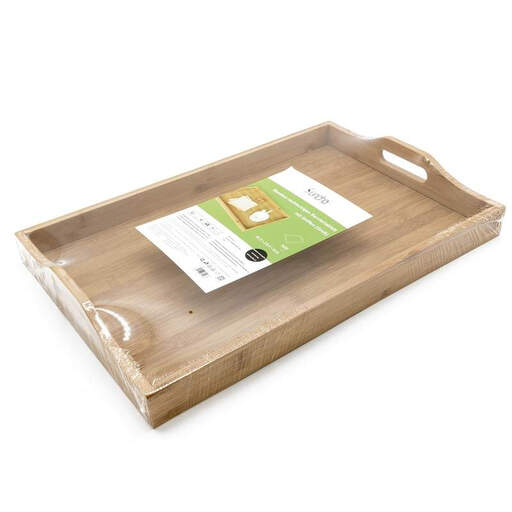
Why it's a great fit: For daily use, from breakfast in bed to serving drinks. This tray combines functionality with a sustainable material choice and is designed for frequent use.
Bamboo is naturally hard, lightweight, and more moisture-resistant than many other types of wood. It avoids the pitfall of unsuitable materials that wear out quickly with regular use.
Robust construction with integrated handles for secure transport and a generous, easy-to-clean surface.
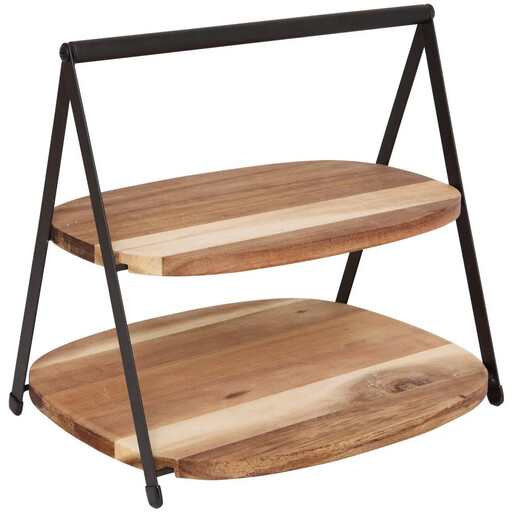
Why it's a great fit: Perfect for anyone wanting to attractively display many small items in a compact space. Ideal for tapas, chocolates, or as a high-tea stand to keep the table organized.
Instead of a flat tray, the tiered stand offers a vertical solution. It solves the problem of limited space that arises when using multiple large serving platters.
Two generous acacia wood tiers on a sturdy metal frame provide a decorative yet functional presentation surface.
We have compiled a complete, up-to-date list of products that fully meet these strict selection criteria and all applicable regulations.
1. How do you properly clean a wooden serving tray? A wooden tray should never be put in the dishwasher or submerged in water. Instead, clean the surface with a slightly damp cloth and dry it immediately. For tougher stains, a mild soap solution can be used. To protect the wood long-term, it can be occasionally treated with a food-safe conditioning oil, according to the manufacturer's instructions.
2. Is every serving tray food-safe? No. In particular, models labeled as "decorative trays" often do not have a surface suitable for direct contact with food. Look for explicit manufacturer notes like "food-safe" or "suitable for food contact" if you plan to arrange food directly on the tray. When in doubt, use parchment paper or small bowls as a barrier.
3. Which material is suitable for hot cups or plates? Trays made of metal or high-quality, heat-resistant plastic are generally impervious to heat. Caution is advised with wooden trays, as high temperatures can damage the sealant or leave marks in the wood. For safety, use coasters for hot items. Bamboo is naturally quite heat-resistant but should also not be used as a direct surface for hot pots.